What does Luke 2:19 mean?
"But Mary kept all these things, and pondered them in her heart." - Luke 2:19
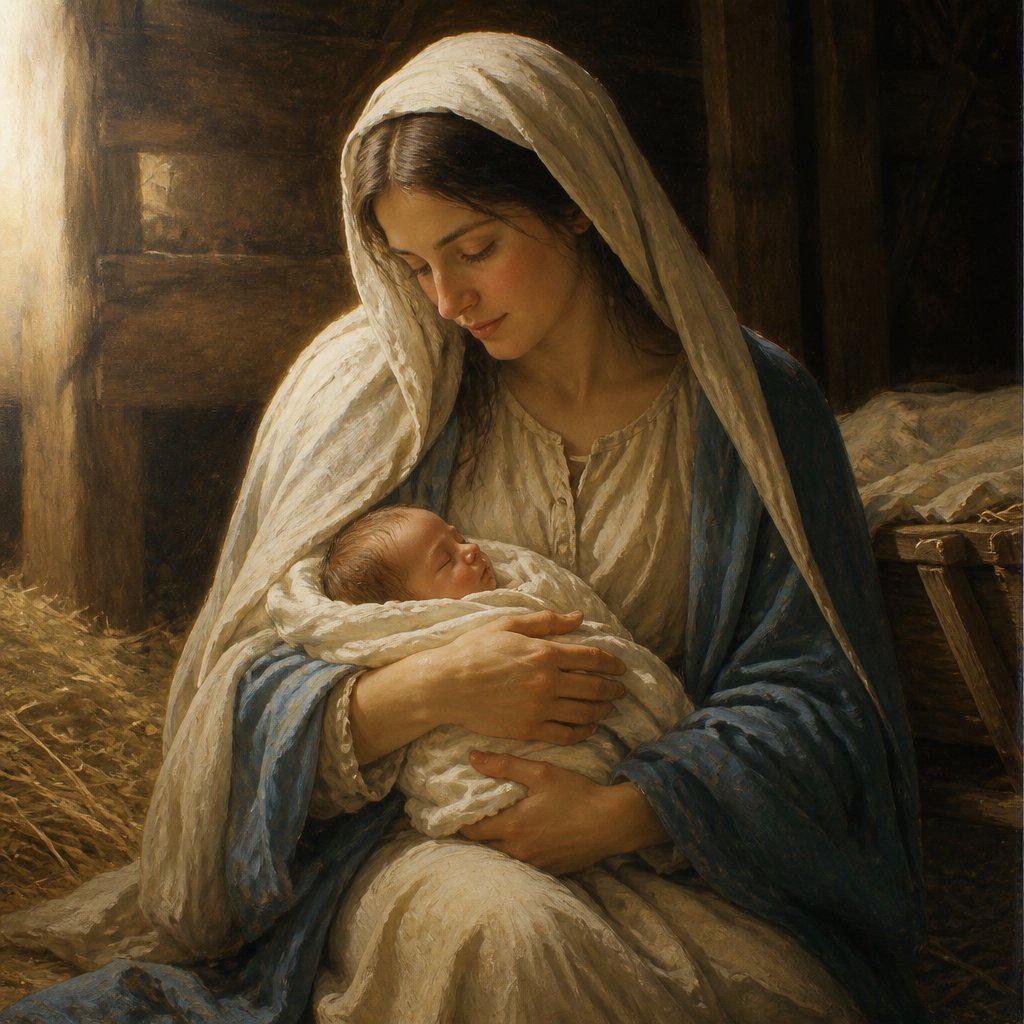
"Luke 2:19 (KJV) - But Mary kept all these things, and pondered them in her heart."
This verse comes from the Gospel of Luke in the New Testament and is part of the narrative about the birth of Jesus Christ. In this verse, Mary, the mother of Jesus, reflects on the events surrounding the birth of her son.
The verse unveils Mary's inner thoughts and emotions following the miraculous birth of Jesus. It provides insight into the profound nature of what had occurred and the extraordinary significance of the event. Mary's response to the awe-inspiring events is marked by quiet contemplation and deep personal reflection. She does not vocalize her feelings outwardly, but instead, she carefully treasures these experiences within her heart.
The verse offers several layers of meaning and themes, which can be explored through context and symbolism.
Contextually, the verse is situated in the broader narrative of the nativity story, which recounts the circumstances of Jesus' birth in Bethlehem. After the shepherds visit the stable to witness the newborn Messiah, they share with Mary and Joseph what they had seen and heard. The verse captures Mary's reaction to the shepherds' testimony as she internalizes the significance of what has transpired.
A key theme in this verse is the concept of pondering or meditating on the divine. Mary's contemplation demonstrates a deep faith and reverence for the spiritual nature of the events surrounding her son's birth. Her act of "keeping all these things" suggests that she is carefully preserving and cherishing the memories and impact of the extraordinary occurrences. This theme underscores the profound nature of the Incarnation and the divine mystery at the heart of the Christian faith.
Furthermore, Mary's response exemplifies the importance of introspection and personal spiritual growth. Her quiet reflection serves as a model of faith and devotion, as she seeks to understand and internalize the divine significance of Jesus' birth. This introspective approach encourages believers to engage in similar acts of reflection and spiritual contemplation in their own lives.
Symbolically, Mary's pondering within her heart embodies the idea of treasuring and embracing the sacred. Her actions convey the importance of cherishing the spiritual truths and experiences that shape one's faith. The heart, as a symbol, represents the seat of emotions, beliefs, and personal identity. Mary's choice to "ponder" within her heart signifies the profound impact that the events surrounding Jesus' birth have on her inner being.
In a broader theological sense, Mary's response in this verse aligns with the Gospel of Luke's overarching emphasis on the role of women and the marginalized in the story of Jesus. By highlighting Mary's reflective and contemplative nature, the verse underscores the significance of her participation in the divine plan and her unique place in the unfolding of salvation history.
In conclusion, Luke 2:19 (KJV) portrays Mary as a reflective and contemplative figure, deeply engaged with the spiritual significance of her son's birth. This verse embodies themes of introspection, spiritual treasuring, and the mystery of the Incarnation. It serves as a reminder for believers to engage in personal reflection and embrace the profound truths of their faith. Mary's quiet pondering within her heart symbolizes the enduring impact of the divine in the spiritual journey of believers.
Have questions about Luke 2:19?
Dive deeper into this scripture with Bible Chat — an AI-powered tool for exploring God's Word through conversation. Ask questions, get context, and grow in your understanding of the Bible.
Get Our Apps


Luke 2:19 Artwork

Luke 2:19 - "But Mary kept all these things, and pondered them in her heart."

Luke 2:19 “But Mary kept all these things, and pondered them in her heart.”
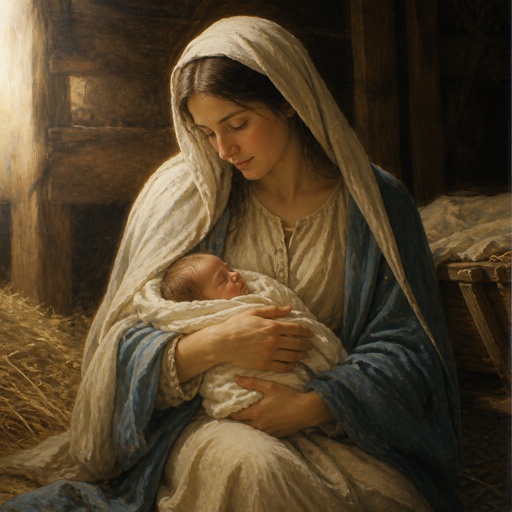
"But Mary kept all these things, and pondered them in her heart." - Luke 2:19

Luke 19:2 - "And, behold, there was a man named Zacchaeus, which was the chief among the publicans, and he was rich."

Luke 10:18-19

Luke 13:18-19

Luke 10:18-19

Luke 10:18-19

Luke 10:17-19

Luke 13:18-19

Luke 10:18-19

Luke 10:18-19

Luke 10:18-19

Luke 10:17-19

Luke 19:23

Luke 1:19

Luke 19:23

Luke 19:19 - "And he said likewise to him, Be thou also over five cities."

Luke 19:10

Luke 19:28

Luke 1:19
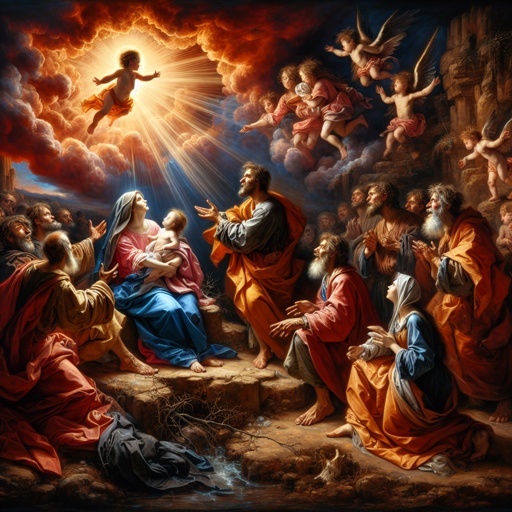
Luke 1:19
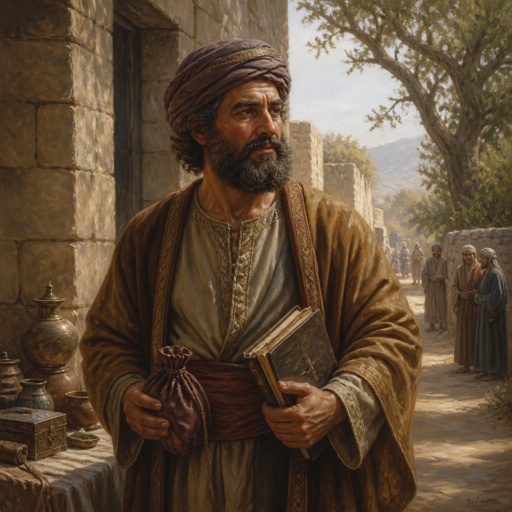
"And, behold, there was a man named Zacchaeus, which was the chief among the publicans, and he was rich." - Luke 19:2

luke 21:5-19

Luke 19:1-10

Luke 10:18-19

Luke 19:1-10

Luke 21:15-19

Luke 4:19 - "To preach the acceptable year of the Lord."

Luke 19:34 - "And they said, The Lord hath need of him."