What does Luke 2:13-14 mean?
"Sure, here is the King James Version of Luke 2:13-14: And suddenly there was with the angel a multitude of the heavenly host praising God, and saying, Glory to God in the highest, and on earth peace, good will toward men." - Luke 2:13-14

The Bible verse Luke 2:13-14 from the King James Version (KJV) reads: "And suddenly there was with the angel a multitude of the heavenly host praising God, and saying, Glory to God in the highest, and on earth peace, good will toward men."
This verse is part of the account of the birth of Jesus Christ, as described in the Gospel of Luke. It follows the appearance of an angel to shepherds in the fields, announcing the birth of the Savior in the city of David. The shepherds are terrified at the sight of the angel, but the angel reassures them and shares the good news of the birth of Jesus. Then suddenly, a multitude of heavenly beings appears, praising God and proclaiming peace and good will towards men.
The themes present in this verse are numerous and profound. First and foremost, the verse highlights the glory and majesty of God. The heavenly host, in their multitude, are praising and glorifying God for the miraculous event that has just taken place - the birth of Jesus Christ. This is a theme that runs throughout the Bible, emphasizing the worship and praise due to God for His greatness and mercy.
The proclamation of "Glory to God in the highest" also serves as a reminder of the exalted position of God in the universe. It reflects the belief that God is the highest authority and deserves all honor and glory. The angels' proclamation emphasizes the greatness and majesty of God, and sets the stage for the significance of Jesus' birth as the fulfillment of God's plan for salvation.
The second part of the verse, "and on earth peace, good will toward men," speaks to the theme of peace and goodwill. This part of the verse is often cited during the Christmas season as a message of hope and peace. It reminds believers of the promise of peace on earth, brought by the birth of Jesus Christ. The peace that is spoken of here is not merely the absence of conflict or war, but a deep inner peace that comes from knowing God and experiencing His grace and love. This verse reminds believers that the birth of Jesus brings hope and reconciliation, not only between God and humanity, but also among people themselves.
Another significant theme in this verse is the idea of the incarnation of Jesus Christ. The birth of Jesus, announced by the angels, is a pivotal moment in human history. It fulfills the Old Testament prophecies and represents God's entry into the world in human form. The angels' presence and proclamation underscore the divine nature of Jesus and the importance of His birth for the salvation of humanity. The birth of Jesus is a demonstration of God's love and willingness to dwell among His people, offering them hope and redemption.
In terms of context, it is important to note the significance of the shepherds as the recipients of this message. In the social and religious context of the time, shepherds were often seen as lowly and unimportant. The fact that the angels appeared to them and shared the good news of Jesus' birth highlights the inclusive nature of God's message. It demonstrates that the gospel is for all people, regardless of their social status or background. This is a recurring theme in Jesus' ministry, as He consistently reached out to the marginalized and overlooked members of society.
Symbolism in this verse abounds, starting with the appearance of the heavenly host. The presence of the angels and their proclamation signifies the divine nature of the events surrounding Jesus' birth. The appearance of the multitude of angels emphasizes the magnitude and importance of the occasion, as well as the heavenly approval and celebration of the birth of Jesus.
The proclamation of "Glory to God in the highest" also symbolizes the recognition of God's transcendent and exalted nature. It signifies the praise and worship due to God for His mighty and wondrous works. The message of peace and goodwill towards men symbolizes the hope and reconciliation that comes through Jesus Christ. It represents the promise of salvation and the restoration of the relationship between God and humanity.
In conclusion, Luke 2:13-14 from the King James Version is a powerful and significant verse that encapsulates the core themes of the Christmas story. It emphasizes the glory and greatness of God, the promise of peace and goodwill, the incarnation of Jesus Christ, and the inclusive nature of God's message. This verse continues to inspire and bring hope to believers, reminding them of the profound impact of Jesus' birth on the world. It serves as a timeless message of joy, peace, and redemption, inviting all people to share in the celebration of the Savior's birth.
Have questions about Luke 2:13-14?
Dive deeper into this scripture with Bible Chat — an AI-powered tool for exploring God's Word through conversation. Ask questions, get context, and grow in your understanding of the Bible.
Get Our Apps


Luke 2:13-14 Artwork

Luke 2:13-14

Luke 2:13-14

Luke 2:13-14 fine pointillism sytle

Luke 2:13-14 - "And suddenly there was with the angel a multitude of the heavenly host praising God, and saying, Glory to God in the highest, and on earth peace, good will toward men."

"And suddenly there was with the angel a multitude of the heavenly host praising God, and saying, Glory to God in the highest, and on earth peace, good will toward men." - Luke 2:13-14

Luke 2:13

Luke 14:13 - "But when thou makest a feast, call the poor, the maimed, the lame, the blind:"

Luke 2:13 - "And suddenly there was with the angel a multitude of the heavenly host praising God, and saying,"

Luke 14:2 - "And, behold, there was a certain man before him which had the dropsy."

Luke 2:14 - "Glory to God in the highest, and on earth peace, good will toward men."

"But when thou makest a feast, call the poor, the maimed, the lame, the blind:" - Luke 14:13

"And suddenly there was with the angel a multitude of the heavenly host praising God, and saying," - Luke 2:13

Luke 13:14 - "And the ruler of the synagogue answered with indignation, because that Jesus had healed on the sabbath day, and said unto the people, There are six days in which men ought to work: in them therefore come and be healed, and not on the sabbath day."

Luke 13:2 - "And Jesus answering said unto them, Suppose ye that these Galilaeans were sinners above all the Galilaeans, because they suffered such things?"

Luke 2:14 - "Glory to God in the highest, and on earth peace, good will toward men."

Luke 2:14 - "Glory to God in the highest, and on earth peace, good will toward men."

2 Corinthians 13:14 - "The grace of the Lord Jesus Christ, and the love of God, and the communion of the Holy Ghost, be with you all. Amen."

"And, behold, there was a certain man before him which had the dropsy." - Luke 14:2

"Glory to God in the highest, and on earth peace, good will toward men." - Luke 2:14

2 Chronicles 13:14 - "And when Judah looked back, behold, the battle was before and behind: and they cried unto the LORD, and the priests sounded with the trumpets."

Luke 13:18-19

Luke 13:20-21

Luke 13:18-19

Luke 13:20-21
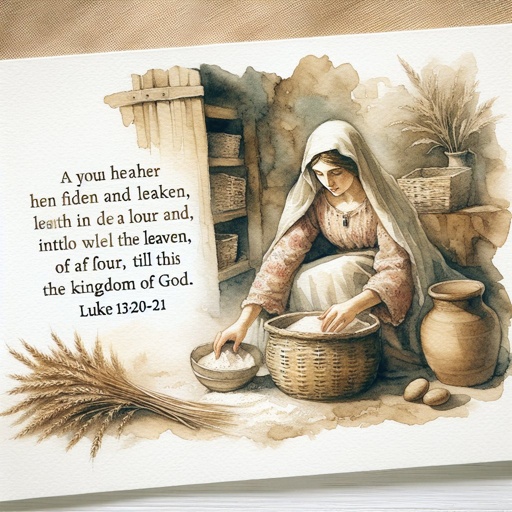
Luke 13:20-21

Luke 13:20-21

Luke 13:20-21

Luke 13:14 But the ruler of the synagogue answered with indignation, because Jesus had healed on the Sabbath; and he said to the crowd, “There are six days on which men ought to work; therefore come and be healed on them, and not on the Sabbath day.”

Luke 8:13

Luke 1:13