What does Luke 2:1 mean?
"And it came to pass in those days, that there went out a decree from Caesar Augustus, that all the world should be taxed." - Luke 2:1
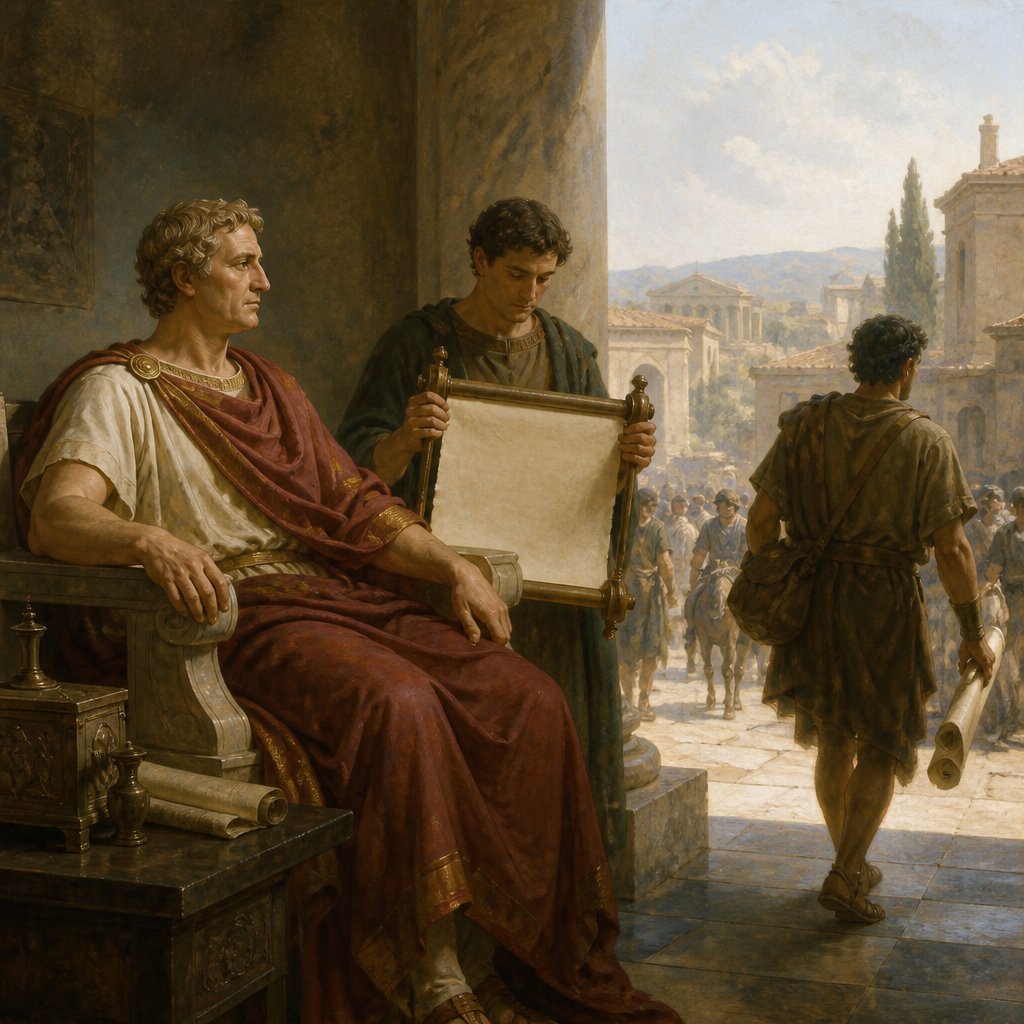
The verse Luke 2:1 from the King James Version of the Bible reads: "And it came to pass in those days, that there went out a decree from Caesar Augustus, that all the world should be taxed."
This verse is part of the narrative in the Gospel of Luke that describes the events leading up to the birth of Jesus Christ. The verse sets the scene for the birth of Jesus by establishing the historical and political context in which it occurred. This specific verse introduces the decree issued by Caesar Augustus, the Roman emperor at the time, which required the entire Roman world to be taxed.
The historical context of this verse is essential to understanding its significance. Caesar Augustus, also known as Octavian, was the first Roman emperor and ruled from 27 BC to 14 AD. He played a crucial role in the establishment of the Roman Empire and was known for his efforts to bring stability and peace to the empire. One of his most significant acts was the implementation of a census, or a registration of the people and their property, which was used to assess and collect taxes. This census is the subject of Luke 2:1 and sets the stage for the events that follow in the Gospel of Luke.
The themes in this verse are multiple and significant. First, the verse demonstrates the overarching sovereignty of God in the affairs of humanity. The decree of Caesar Augustus, a powerful and influential ruler, was ultimately a part of God's divine plan. This idea emphasizes the ultimate authority and control of God over human history. It also highlights the importance of human events and decisions in the fulfillment of God's will. The occurrence of the census, as outlined in Luke 2:1, was pivotal in bringing Joseph and Mary to Bethlehem, fulfilling the prophecy that the Messiah would be born in the city of David.
Additionally, the verse speaks to the broader theme of the fulfillment of prophecies. The Old Testament prophecy in Micah 5:2 predicted that the Messiah would be born in Bethlehem. By decreeing a census that required Joseph to travel to his ancestral home with Mary, Caesar Augustus unknowingly played a role in fulfilling this prophecy. This theme reinforces the belief that Jesus was the long-awaited Messiah, fulfilling numerous prophecies that were made hundreds of years before His birth.
Furthermore, the verse also underscores the humility and ordinariness of the circumstances surrounding the birth of Jesus. The fact that Joseph and Mary were required to travel to Bethlehem for the census suggests that they were among the ordinary people of their time, subject to the same laws and regulations as everyone else. This emphasizes the humility of Jesus' birth, as He entered the world not amid grandeur and opulence, but in a simple and humble setting.
The imagery and symbolism in this verse are also significant. The decree of Caesar Augustus and the subsequent journey of Joseph and Mary to Bethlehem serve as a powerful symbol of God's providence and control over human events. It also symbolizes the concept of the divine purpose behind seemingly ordinary and mundane occurrences. The fact that Jesus was born into a world under Roman rule symbolizes His role as the Savior not only of the Jewish people but of all humanity, transcending political and cultural boundaries.
In conclusion, Luke 2:1 provides a crucial and richly layered historical and theological context for the birth of Jesus Christ. It underscores themes of divine sovereignty, the fulfillment of prophecy, and the humble nature of Jesus' birth. The verse also holds immense symbolic significance in highlighting God's providential control over human history. Overall, this verse serves as a poignant reminder of the remarkable and all-encompassing nature of God's plan for salvation.
Have questions about Luke 2:1?
Dive deeper into this scripture with Bible Chat — an AI-powered tool for exploring God's Word through conversation. Ask questions, get context, and grow in your understanding of the Bible.
Get Our Apps


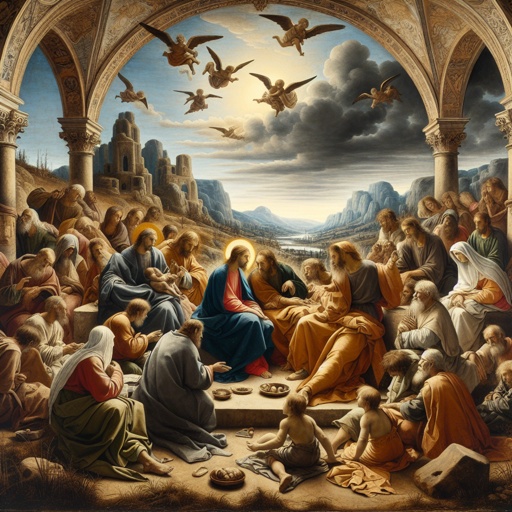
Luke 2:1 Artwork

Luke 2:1-20

Luke 2:1 - "And it came to pass in those days, that there went out a decree from Caesar Augustus, that all the world should be taxed."

Matthew 2:1-12
"And it came to pass in those days, that there went out a decree from Caesar Augustus, that all the world should be taxed." - Luke 2:1

Luke 2:37

Luke 2:37

Luke 2 v 8
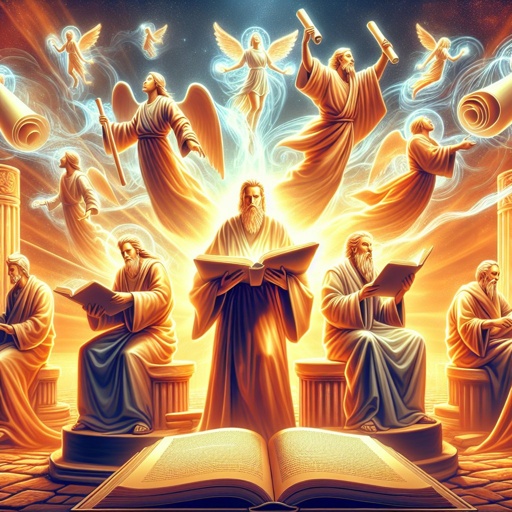
Luke 1:2 - "Even as they delivered them unto us, which from the beginning were eyewitnesses, and ministers of the word;"
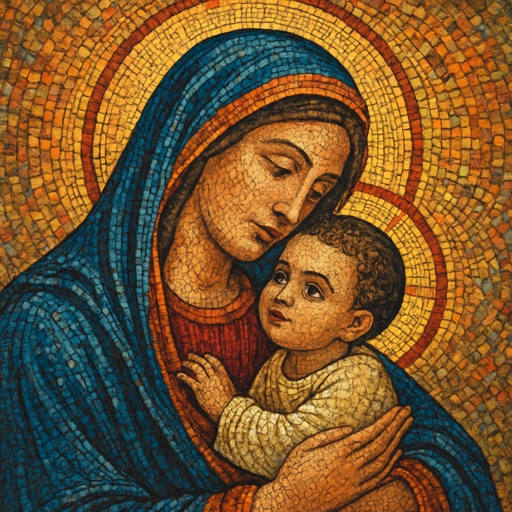
Luke 2:22, which features a Middle Eastern mother holding a Middle Eastern baby boy.

Luke 2:2

Luc 15:1-2

Luc 15:1-2

Luke 1:1

Luc 15:1-2

Luke 9:1-2 - "Then he called his twelve disciples together, and gave them power and authority over all devils, and to cure diseases. And he sent them to preach the kingdom of God, and to heal the sick."

Luke 2:2 - "(And this taxing was first made when Cyrenius was governor of Syria.)"

Luke 2:37

Luke 2:37

Luke 2:52

Luke 2:37

Luke 2:13

Luke 2:10

Luke 1:31

Luke 1:26

luke 1:26

Luke 1:13

luke 1:26

luke 1:27

luke 1:29
Luke:1