What does Luke 23:39 mean?
"¶ And one of the malefactors which were hanged railed on him, saying, If thou be Christ, save thyself and us." - Luke 23:39
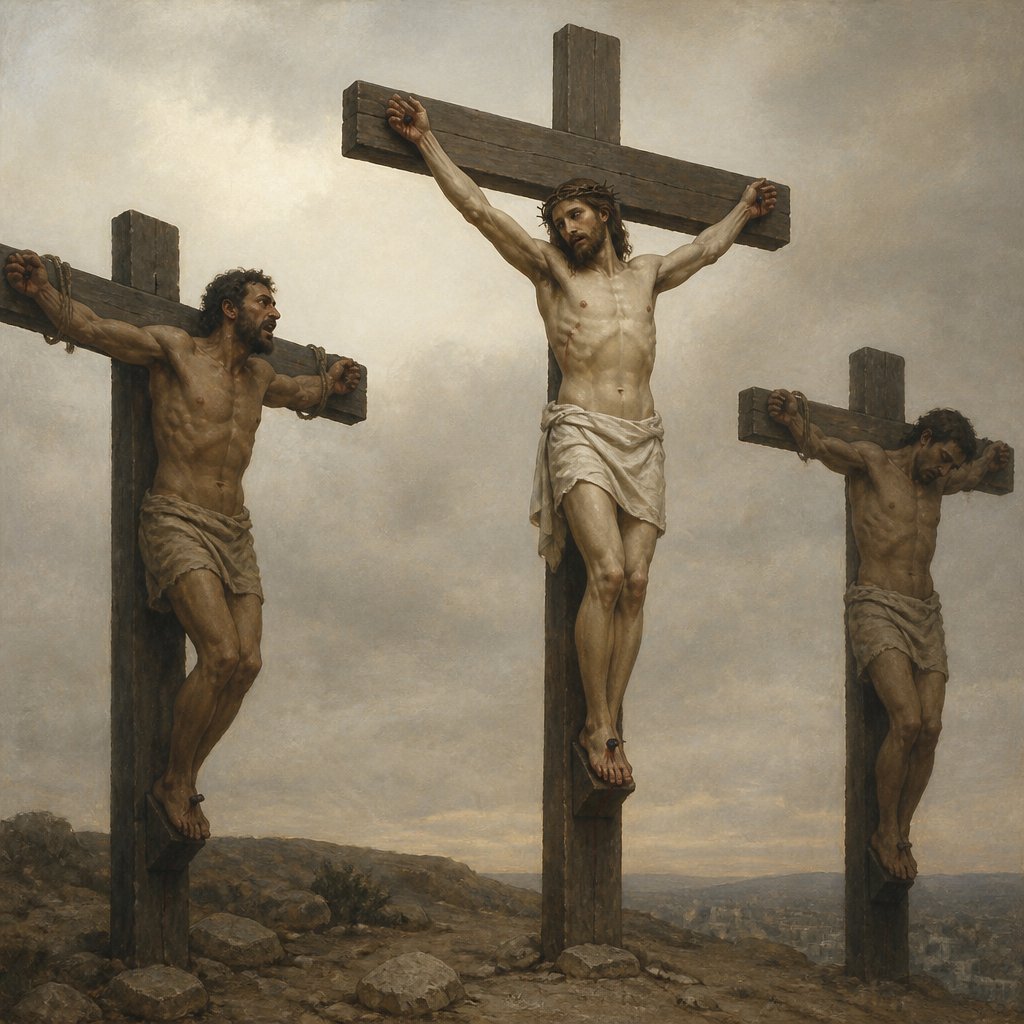
The verse Luke 23:39 from the King James Version reads: "And one of the malefactors which were hanged railed on him, saying, If thou be Christ, save thyself and us."
This verse is part of the narrative of Jesus' crucifixion. At this point in the story, Jesus is hanging on the cross between two criminals, commonly referred to as "malefactors," who were also being crucified. One of these criminals mocks Jesus, telling him to save himself if he truly is the Christ, and by extension, to save them as well.
The context of this verse is significant. Jesus is being taunted and scorned in his moment of greatest suffering, and yet his response is one of compassion and forgiveness. This verse illustrates the depths of human depravity on display at the crucifixion, as well as the incredible grace and mercy of Jesus Christ.
The themes present in this verse are central to the Christian faith. The first theme is the rejection of Jesus. The criminal's mocking of Jesus reflects the wider rejection of Jesus by many, both at the time of His crucifixion and throughout history. The response of the criminal represents the skepticism and doubt that many have had about Jesus' identity and power.
Another theme is the messianic identity of Jesus. The criminal's challenge, "If thou be Christ, save thyself and us," goes to the heart of the question of Jesus' identity. Throughout his ministry, Jesus was often questioned about whether he was truly the Messiah, and here, even in his most vulnerable moment, that doubt is voiced again.
The theme of salvation is also present in this verse. The criminal's words reveal a desire for deliverance from their present suffering. However, his understanding of salvation is limited to physical deliverance, whereas Jesus' sacrifice on the cross provides a deeper, spiritual salvation.
Symbolism is also a significant aspect of this verse. The contrast between the mocking criminal and Jesus, who is suffering silently, represents the larger spiritual conflict between good and evil. The criminal's words echo the taunts of the religious leaders who challenged Jesus to prove his identity. The fact that the criminal is also crucified alongside Jesus underscores the significance of Jesus' sacrificial death, as well as the idea that even those who oppose him have the opportunity for redemption.
In this verse, Jesus' response is not to save himself, but to offer salvation to the criminal. This is a powerful symbol of Jesus' willingness to extend grace, forgiveness, and salvation to even the most undeserving. It demonstrates the depth of God's love and the redemptive nature of Jesus' sacrifice.
Overall, Luke 23:39 is a crucial part of the narrative of Jesus' crucifixion, offering important insights into the rejection of Jesus, the messianic identity of Jesus, the nature of salvation, and the symbolism of Jesus' sacrificial death. This verse serves as a reminder of the profound love and grace of Jesus Christ, and the opportunity for redemption that is available to all.
Have questions about Luke 23:39?
Dive deeper into this scripture with Bible Chat — an AI-powered tool for exploring God's Word through conversation. Ask questions, get context, and grow in your understanding of the Bible.
Get Our Apps


Luke 23:39 Artwork

Luke 23:39 - "¶ And one of the malefactors which were hanged railed on him, saying, If thou be Christ, save thyself and us."
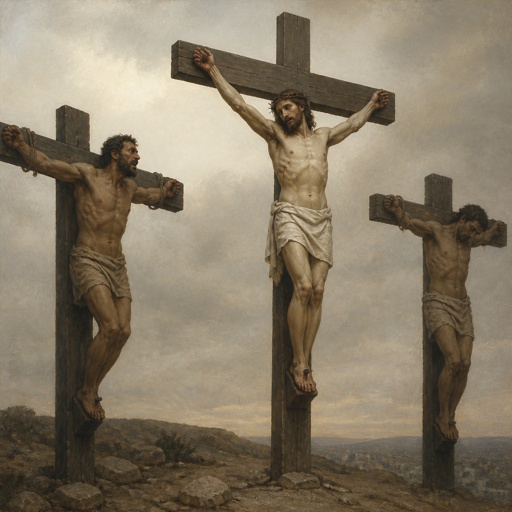
"¶ And one of the malefactors which were hanged railed on him, saying, If thou be Christ, save thyself and us." - Luke 23:39

Luke 23:39-43 - "One of the criminals who hung there hurled insults at him: “Aren’t you the Messiah? Save yourself and us!” But the other criminal rebuked him. “Don’t you fear God,” he said, “since you are under the same sentence? We are punished justly, for we are getting what our deeds deserve. But this man has done nothing wrong.” Then he said, “Jesus, remember me when you come into your kingdom.” Jesus answered him, “Truly I tell you, today you will be with me in paradise.”"

"One of the criminals who hung there hurled insults at him: “Aren’t you the Messiah? Save yourself and us!” But the other criminal rebuked him. “Don’t you fear God,” he said, “since you are under the same sentence? We are punished justly, for we are getting what our deeds deserve. But this man has done nothing wrong.” Then he said, “Jesus, remember me when you come into your kingdom.” Jesus answered him, “Truly I tell you, today you will be with me in paradise.”" - Luke 23:39-43

Luke 5:39

Luke 22:39

Luke 1:39

Luke 22:39

Luke 1:39 - 45

2 Samuel 23:39 - "Uriah the Hittite: thirty and seven in all."

Job 39:23 - "The quiver rattleth against him, the glittering spear and the shield."

Luke 20:39 - "¶ Then certain of the scribes answering said, Master, thou hast well said."

Luke 1:39 - "And Mary arose in those days, and went into the hill country with haste, into a city of Juda;"

Exodus 39:23 - "And there was an hole in the midst of the robe, as the hole of an habergeon, with a band round about the hole, that it should not rend."

Luke 19:39 - "And some of the Pharisees from among the multitude said unto him, Master, rebuke thy disciples."

Luke 5:39 - "No man also having drunk old wine straightway desireth new: for he saith, The old is better."

Luke 10:39 - "And she had a sister called Mary, which also sat at Jesus' feet, and heard his word."

Luke 6:39 - "And he spake a parable unto them, Can the blind lead the blind? shall they not both fall into the ditch?"

Luke 22:39 - "¶ And he came out, and went, as he was wont, to the mount of Olives; and his disciples also followed him."

Luke 2:39 - "And when they had performed all things according to the law of the Lord, they returned into Galilee, to their own city Nazareth."
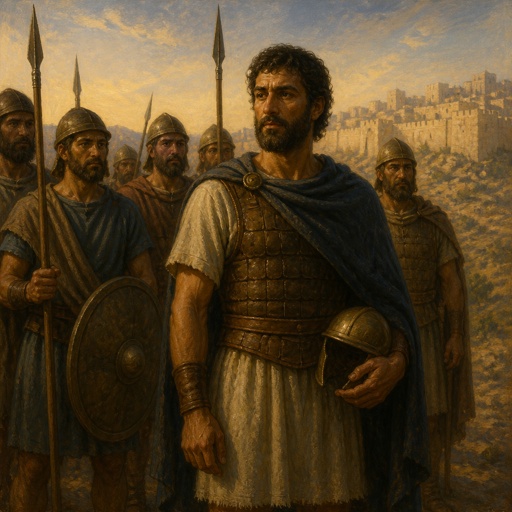
"Uriah the Hittite: thirty and seven in all." - 2 Samuel 23:39

Luke 4:39 - "And he stood over her, and rebuked the fever; and it left her: and immediately she arose and ministered unto them."

Luke 23:53

Luke 19:23

luke 11:23

Luke 19:23

luke 11:23
Luke 15:23

luke 11:23

luke 11:23