What does Luke 22:67 mean?
"Art thou the Christ? tell us. And he said unto them, If I tell you, ye will not believe:" - Luke 22:67
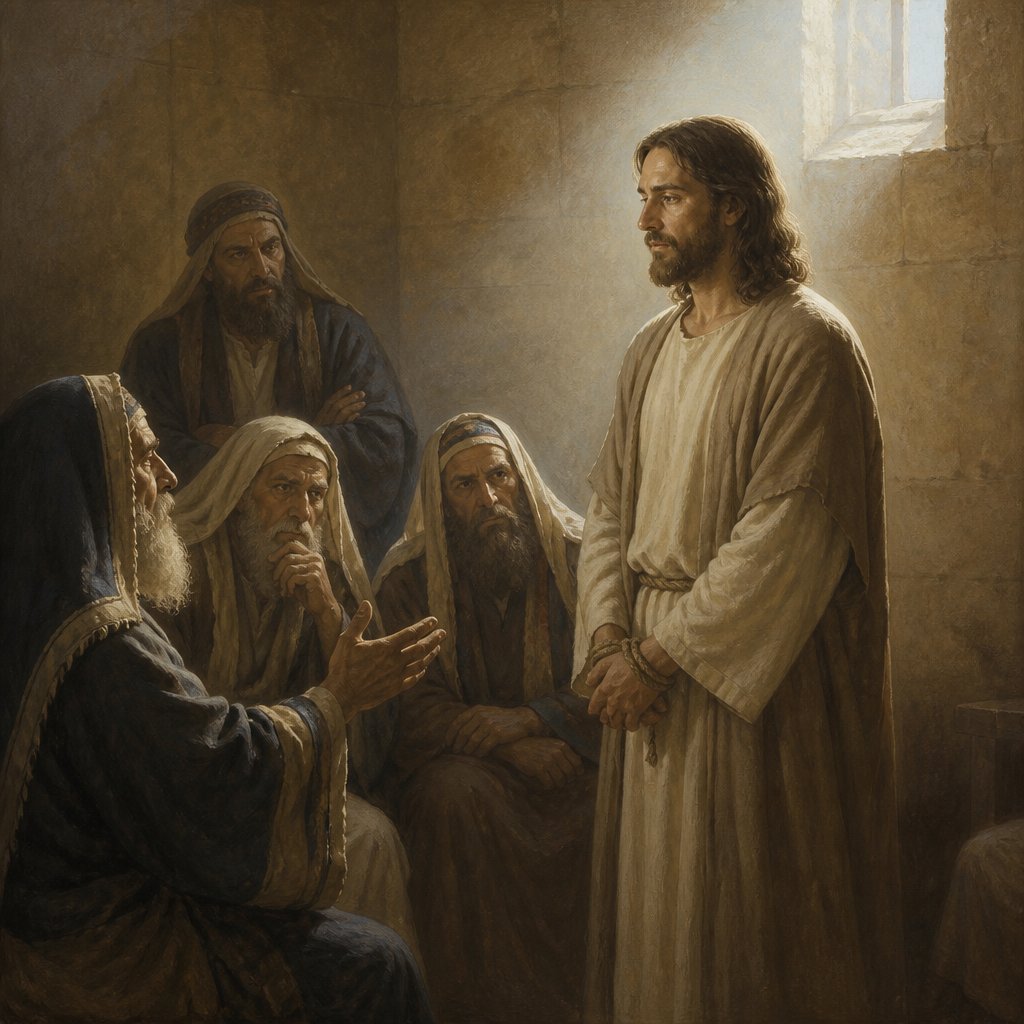
Luke 22:67 (KJV) states, "Art thou the Christ? tell us. And he said unto them, If I tell you, ye will not believe."
This verse is part of a larger conversation between Jesus and the religious leaders of the time, who had arrested him and were putting him on trial. They were looking for a reason to condemn him to death, and throughout this passage, they are trying to get Jesus to admit to being the Messiah, the Son of God.
The significance of this verse lies in the profound and weighty question that Jesus is being asked: "Art thou the Christ?" This question is central to the entire gospel message and the purpose of Jesus' ministry. The term "Christ" is a Greek translation of the Hebrew word "Messiah," which means "the Anointed One." In Jewish tradition, the Messiah was the long-awaited savior who would deliver the people of Israel and establish God's kingdom on earth. The religious leaders were hoping to trap Jesus with this question, to force him to claim a title that could be perceived as blasphemy or insurrection against the Roman authorities.
In his response, Jesus displays a deep understanding of the disbelief and hardness of heart of his questioners. He acknowledges that even if he were to tell them the truth, they would not believe him. This reflects Jesus' understanding of the human condition and the resistance that people often have to accepting the truth, especially when it challenges their preconceived notions or threatens their authority.
One of the key themes present in this verse is the concept of disbelief and rejection. Throughout his ministry, Jesus encountered widespread disbelief and opposition, particularly from the religious leaders of his time. His words and actions often confounded the expectations of those around him, and many refused to believe that he was the long-awaited Messiah. This theme of disbelief highlights the spiritual blindness and hardness of heart that can prevent people from recognizing the truth, even when it is standing right in front of them.
The context of this verse is also crucial to understanding its significance. Jesus is facing a pivotal moment in his life, as he stands before the religious authorities who hold the power to determine his fate. His response to their question demonstrates his unwavering commitment to speaking the truth, even in the face of intense opposition and potential danger. This moment sets the stage for the culmination of Jesus' mission—to offer himself as a sacrifice for the sins of humanity, and to ultimately triumph over death through his resurrection.
Symbolically, this verse represents the divine irony and paradox of Jesus' identity. The religious leaders are asking Jesus to declare himself as the Christ, the Anointed One, and yet they fail to recognize that he is indeed the Messiah they have been waiting for. In their blindness, they cannot see that the one standing before them, on trial and facing condemnation, is the Son of God who has come to fulfill the prophecies and bring about the redemption of humanity.
In conclusion, Luke 22:67 (KJV) encapsulates the tension and significance of Jesus' identity and mission. It reveals the disbelief and rejection that he faced, and the courage and commitment with which he faced his accusers. This verse reminds us of the profound spiritual truths at stake in Jesus' ministry, and the ongoing challenge for humanity to recognize and respond to the truth of who he is. It serves as a reminder of the call to believe in the message of the gospel, even in the face of disbelief and opposition.
Have questions about Luke 22:67?
Dive deeper into this scripture with Bible Chat — an AI-powered tool for exploring God's Word through conversation. Ask questions, get context, and grow in your understanding of the Bible.
Get Our Apps


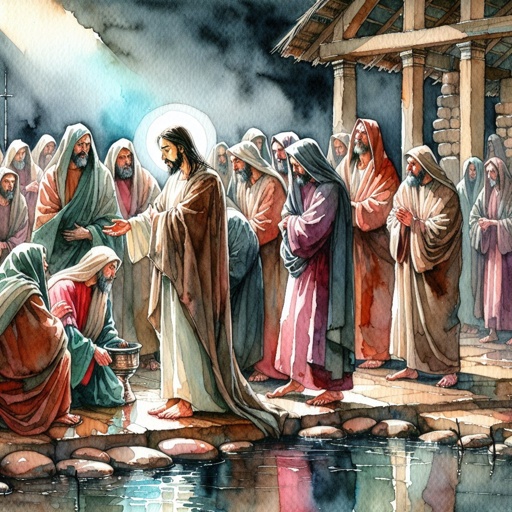
Luke 22:67 Artwork
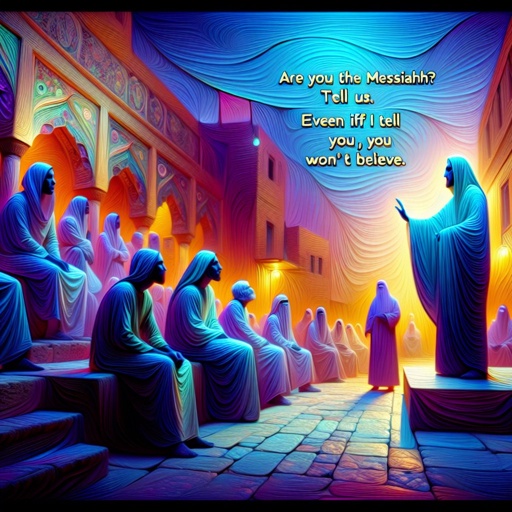
Luke 22:67 - "Art thou the Christ? tell us. And he said unto them, If I tell you, ye will not believe:"
"Art thou the Christ? tell us. And he said unto them, If I tell you, ye will not believe:" - Luke 22:67

Luke 1:67 - "And his father Zacharias was filled with the Holy Ghost, and prophesied, saying,"
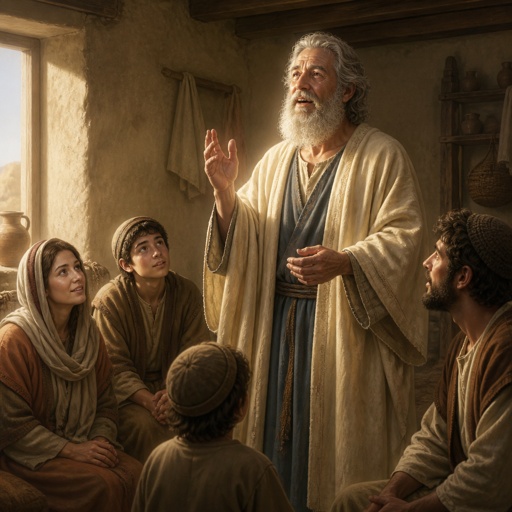
"And his father Zacharias was filled with the Holy Ghost, and prophesied, saying," - Luke 1:67

luke 22:42

Luke 22:39

Luke 22:61,62

Luke 22:39

luke 22 44
luke 22:42

Luke 22:42

Luke 16:22-26

Luke 22:62 - "And Peter went out, and wept bitterly."

Luke 20:22 - "Is it lawful for us to give tribute unto Caesar, or no?"

Luke 22:5 - "And they were glad, and covenanted to give him money."

Luke 22:28 - "Ye are they which have continued with me in my temptations."

Luke 22:65 - "And many other things blasphemously spake they against him."

Luke 22:63 - "¶ And the men that held Jesus mocked him, and smote him."

Luke 22:31-32 - "Luke 22:31-32: And the Lord said, Simon, Simon, behold, Satan hath desired to have you, that he may sift you as wheat: But I have prayed for thee, that thy faith fail not: and when thou art converted, strengthen thy brethren."

Luke 22:21 - "¶ But, behold, the hand of him that betrayeth me is with me on the table."

Luke 22:43 - "And there appeared an angel unto him from heaven, strengthening him."

Luke 22:3 - "¶ Then entered Satan into Judas surnamed Iscariot, being of the number of the twelve."

Luke 22:57 - "And he denied him, saying, Woman, I know him not."

Luke 22:7 - "¶ Then came the day of unleavened bread, when the passover must be killed."

Luke 21:22 - "For these be the days of vengeance, that all things which are written may be fulfilled."

Luke 22:9 - "And they said unto him, Where wilt thou that we prepare?"

Luke 22:24 - "¶ And there was also a strife among them, which of them should be accounted the greatest."

Luke 22:69 - "Hereafter shall the Son of man sit on the right hand of the power of God."

Luke 22:14 - "And when the hour was come, he sat down, and the twelve apostles with him."

Luke 22:1 - "Now the feast of unleavened bread drew nigh, which is called the Passover."