What does Luke 22:54-71 mean?
"Then took they him, and led him, and brought him into the high priest's house. And Peter followed afar off. And when they had kindled a fire in the midst of the hall, and were set down together, Peter sat down among them. But a certain maid beheld him as he sat by the fire, and earnestly looked upon him, and said, This man was also with him. And he denied him, saying, Woman, I know him not. And after a little while another saw him, and said, Thou art also of them. And Peter said, Man, I am not. And about the space of one hour after another confidently affirmed, saying, Of a truth this fellow also was with him: for he is a Galilaean. And Peter said, Man, I know not what thou sayest. And immediately, while he yet spake, the cock crew. And the Lord turned, and looked upon Peter. And Peter remembered the word of the Lord, how he had said unto him, Before the cock crow, thou shalt deny me thrice. And Peter went out, and wept bitterly. And the men that held Jesus mocked him, and smote him. And when they had blindfolded him, they struck him on the face, and asked him, saying, Prophesy, who is it that smote thee? And many other things blasphemously spake they against him. And as soon as it was day, the elders of the people and the chief priests and the scribes came together, and led him into their council, saying, Art thou the Christ? tell us. And he said unto them, If I tell you, ye will not believe: And if I also ask you, ye will not answer me, nor let me go. Hereafter shall the Son of man sit on the right hand of the power of God. Then said they all, Art thou then the Son of God? And he said unto them, Ye say that I am. And they said, What need we any further witness? for we ourselves have heard of his own mouth." - Luke 22:54-71
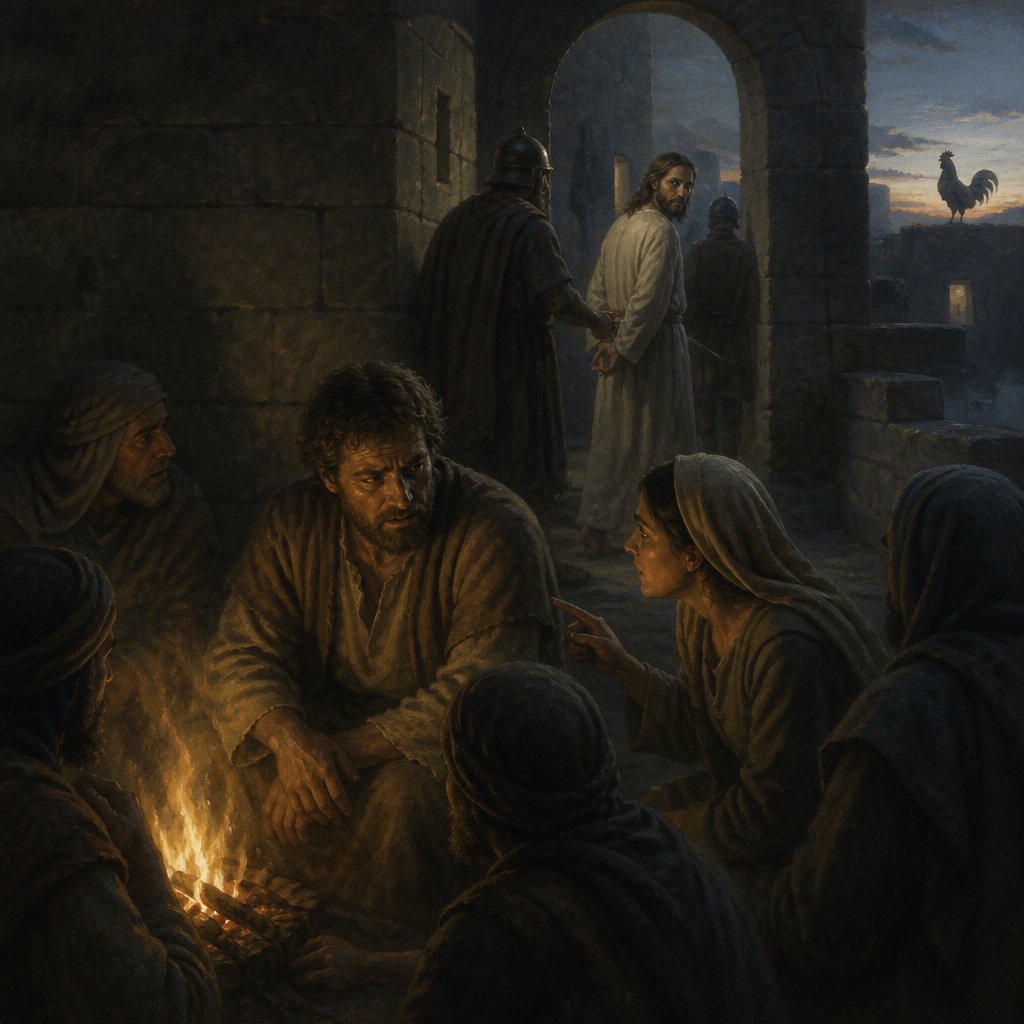
Luke 22:54-71 in the King James Version of the Bible is a passage that depicts the betrayal and denial of Jesus Christ by his closest disciples. This passage is crucial to the overall narrative of the crucifixion and the themes of loyalty, betrayal, and forgiveness that are central to the Christian faith.
The passage begins with Peter following Jesus after his arrest and betrayal by Judas Iscariot. Peter is in the courtyard of the high priest's house, trying to stay close to Jesus and see what will happen to him. However, when approached by others who recognize him as one of Jesus' disciples, Peter denies any association with Jesus three times before the rooster crows, just as Jesus had predicted.
This scene is significant because Peter, who had been one of Jesus' most vocal and devoted followers, succumbs to fear and denies knowing Jesus in his time of need. It illustrates the theme of human weakness and the limitations of loyalty when faced with adversity. This moment also served as a fulfillment of Jesus' prophecy, demonstrating his omniscience and the inevitability of his betrayal and crucifixion.
The passage then shifts to the interrogation of Jesus by the religious leaders, who question him about his identity and authority. Jesus responds by asserting his divine nature and prophesying his own suffering and exaltation. This exchange showcases Jesus' unwavering commitment to his mission and his willingness to endure persecution for the sake of humanity's salvation.
One of the key themes in this passage is the contrast between human frailty and divine steadfastness. While Peter's faith falters in the face of fear, Jesus remains resolute in his purpose and identity as the Son of God. This serves as a reminder of the imperfect nature of humanity and the need for divine grace and forgiveness.
The passage also reveals the religious leaders' rejection of Jesus and their ultimate decision to hand him over to the Roman authorities for execution. Despite their knowledge of Jesus' teachings and miracles, they refuse to acknowledge him as the Messiah and instead view him as a threat to their authority. This highlights the theme of spiritual blindness and the consequences of rejecting the truth.
Symbolism plays a significant role in this passage, particularly the imagery of the rooster crowing after Peter's denials. In Jewish tradition, the rooster's crowing at dawn symbolizes a new beginning and the hope of redemption. In this context, the rooster's crowing serves as a poignant reminder of Peter's betrayal and the need for repentance and forgiveness. It also foreshadows the resurrection of Jesus and the dawn of a new era for humanity.
The passage in Luke 22:54-71 carries profound significance for Christians, as it reflects the complex interplay of human weakness, divine sovereignty, and the redemptive power of Christ's sacrifice. It serves as a reminder of the realities of human sinfulness and the need for humility, repentance, and reliance on God's grace. It also underscores the unwavering faithfulness of Jesus in the face of betrayal and rejection, offering hope and inspiration to believers facing their own trials and tribulations.
In conclusion, Luke 22:54-71 in the King James Version of the Bible conveys profound theological themes and emotional resonance. It captures the tension and drama of Jesus' betrayal and interrogation, while also delving into the complexities of human nature and the divine purpose of Christ's suffering. This passage continues to resonate with Christians today, serving as a powerful testament to the enduring significance of Jesus' sacrifice and the transformative power of faith and forgiveness.
Have questions about Luke 22:54-71?
Dive deeper into this scripture with Bible Chat — an AI-powered tool for exploring God's Word through conversation. Ask questions, get context, and grow in your understanding of the Bible.
Get Our Apps


Luke 22:54-71 Artwork
"Then seizing him, they led him away and took him into the house of the high priest. Peter followed at a distance. And when some there had kindled a fire in the middle of the courtyard and had sat down together, Peter sat down with them. A servant girl saw him seated there in the firelight. She looked closely at him and said, “This man was with him.” But he denied it. “Woman, I don’t know him,” he said. A little later someone else saw him and said, “You also are one of them.” “Man, I am not!” Peter replied. About an hour later another asserted, “Certainly this fellow was with him, for he is a Galilean.” Peter replied, “Man, I don’t know what you’re talking about!” Just as he was speaking, the rooster crowed. The Lord turned and looked at Peter. Then Peter remembered the word the Lord had spoken to him: “Before the rooster crows today, you will disown me three times.” And he went outside and wept bitterly. The men who were guarding Jesus began mocking and beating him. They blindfolded him and demanded, “Prophesy! Who hit you?” And they said many other insulting things to him. At daybreak the council of the elders of the people, both the chief priests and the teachers of the law, met together, and Jesus was led before them. “If you are the Messiah,” they said, “tell us.” Jesus answered, “If I tell you, you will not believe me, and if I asked you, you would not answer. But from now on, the Son of Man will be seated at the right hand of the mighty God.” They all asked, “Are you then the Son of God?” He replied, “You say that I am.” Then they said, “Why do we need any more testimony? We have heard it from his own lips.”" - Luke 22:54-71
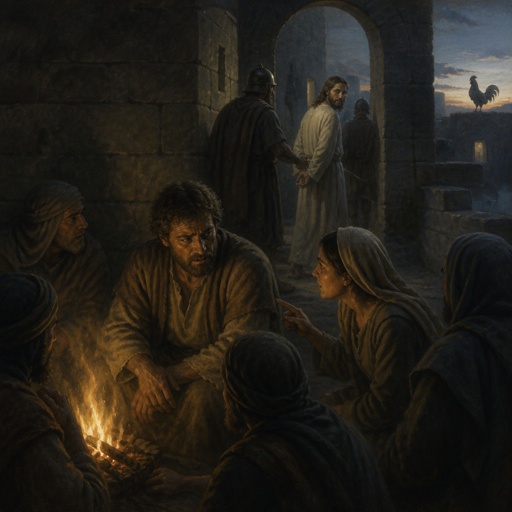
"Then seizing him, they led him away and took him into the house of the high priest. Peter followed at a distance. And when some there had kindled a fire in the middle of the courtyard and had sat down together, Peter sat down with them. A servant girl saw him seated there in the firelight. She looked closely at him and said, “This man was with him.” But he denied it. “Woman, I don’t know him,” he said. A little later someone else saw him and said, “You also are one of them.” “Man, I am not!” Peter replied. About an hour later another asserted, “Certainly this fellow was with him, for he is a Galilean.” Peter replied, “Man, I don’t know what you’re talking about!” Just as he was speaking, the rooster crowed. The Lord turned and looked at Peter. Then Peter remembered the word the Lord had spoken to him: “Before the rooster crows today, you will disown me three times.” And he went outside and wept bitterly. The men who were guarding Jesus began mocking and beating him. They blindfolded him and demanded, “Prophesy! Who hit you?” And they said many other insulting things to him. At daybreak the council of the elders of the people, both the chief priests and the teachers of the law, met together, and Jesus was led before them. “If you are the Messiah,” they said, “tell us.” Jesus answered, “If I tell you, you will not believe me, and if I asked you, you would not answer. But from now on, the Son of Man will be seated at the right hand of the mighty God.” They all asked, “Are you then the Son of God?” He replied, “You say that I am.” Then they said, “Why do we need any more testimony? We have heard it from his own lips.”" - Luke 22:54-71
Luke 22:54-71 - "Then seizing him, they led him away and took him into the house of the high priest. Peter followed at a distance. And when some there had kindled a fire in the middle of the courtyard and had sat down together, Peter sat down with them. A servant girl saw him seated there in the firelight. She looked closely at him and said, “This man was with him.” But he denied it. “Woman, I don’t know him,” he said. A little later someone else saw him and said, “You also are one of them.” “Man, I am not!” Peter replied. About an hour later another asserted, “Certainly this fellow was with him, for he is a Galilean.” Peter replied, “Man, I don’t know what you’re talking about!” Just as he was speaking, the rooster crowed. The Lord turned and looked at Peter. Then Peter remembered the word the Lord had spoken to him: “Before the rooster crows today, you will disown me three times.” And he went outside and wept bitterly. The men who were guarding Jesus began mocking and beating him. They blindfolded him and demanded, “Prophesy! Who hit you?” And they said many other insulting things to him. At daybreak the council of the elders of the people, both the chief priests and the teachers of the law, met together, and Jesus was led before them. “If you are the Messiah,” they said, “tell us.” Jesus answered, “If I tell you, you will not believe me, and if I asked you, you would not answer. But from now on, the Son of Man will be seated at the right hand of the mighty God.” They all asked, “Are you then the Son of God?” He replied, “You say that I am.” Then they said, “Why do we need any more testimony? We have heard it from his own lips.”"

Luke 22:71 - "And they said, What need we any further witness? for we ourselves have heard of his own mouth."

Luke 22:54 - "¶ Then took they him, and led him, and brought him into the high priest's house. And Peter followed afar off."

Luke 9:54-55
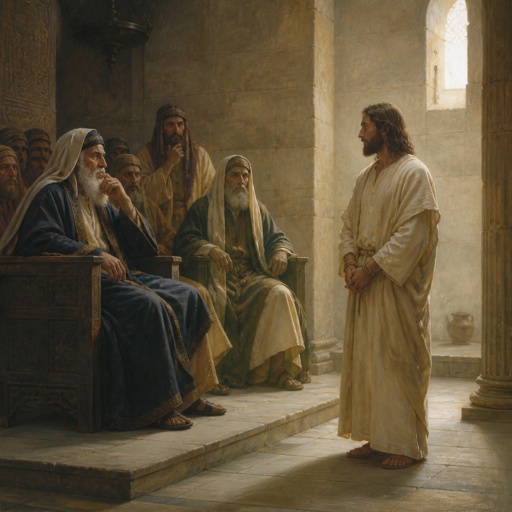
"And they said, What need we any further witness? for we ourselves have heard of his own mouth." - Luke 22:71
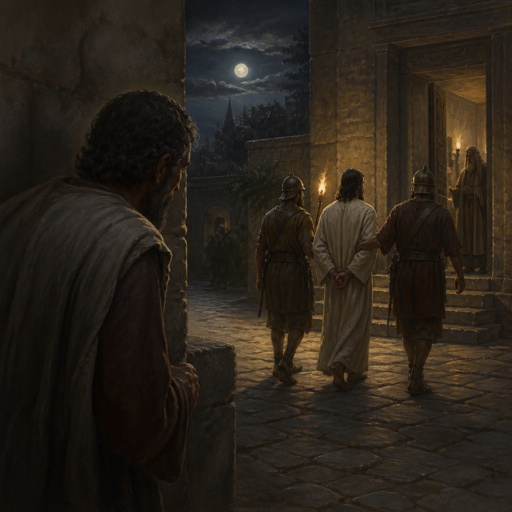
"¶ Then took they him, and led him, and brought him into the high priest's house. And Peter followed afar off." - Luke 22:54

Luke 1:54-55

Luke 23:54 - "And that day was the preparation, and the sabbath drew on."

Luke 1:71 - "That we should be saved from our enemies, and from the hand of all that hate us;"

Luke 1:54 - "He hath holpen his servant Israel, in remembrance of his mercy;"
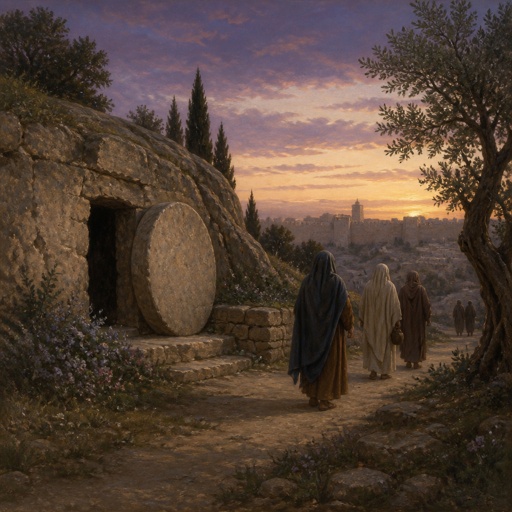
"And that day was the preparation, and the sabbath drew on." - Luke 23:54

Luke 11:54 - "Laying wait for him, and seeking to catch something out of his mouth, that they might accuse him."

Luke 8:54 - "And he put them all out, and took her by the hand, and called, saying, Maid, arise."
"I will also praise thee with the psaltery, even thy truth, O my God: unto thee will I sing with the harp, O thou Holy One of Israel." - Psalms 71:22

Luke 12:54 - "¶ And he said also to the people, When ye see a cloud rise out of the west, straightway ye say, There cometh a shower; and so it is."

Psalms 71:22 - "I will also praise thee with the psaltery, even thy truth, O my God: unto thee will I sing with the harp, O thou Holy One of Israel."
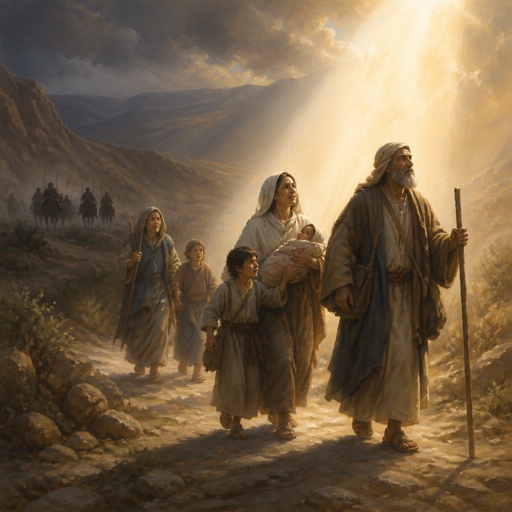
"That we should be saved from our enemies, and from the hand of all that hate us;" - Luke 1:71

Luke 9:54 - "And when his disciples James and John saw this, they said, Lord, wilt thou that we command fire to come down from heaven, and consume them, even as Elias did?"
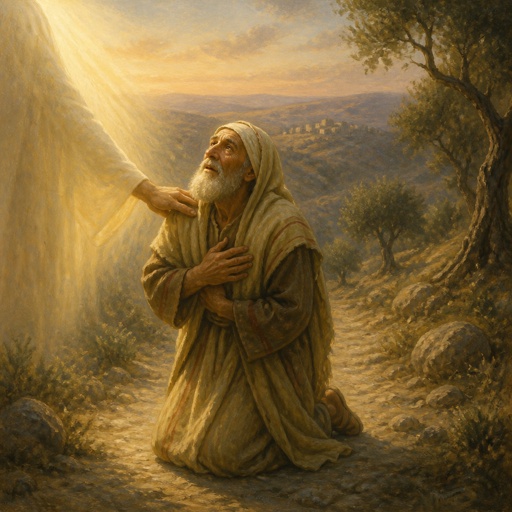
"He hath holpen his servant Israel, in remembrance of his mercy;" - Luke 1:54

Luke 8:54-56 (KJVA) 54 And he put them all out, and took her by the hand, and called, saying, Maid, arise. 55 And her spirit came again, and she arose straightway: and he commanded to give her meat. 56 And her parents were astonished: but he charged them that they should tell no man what was done.
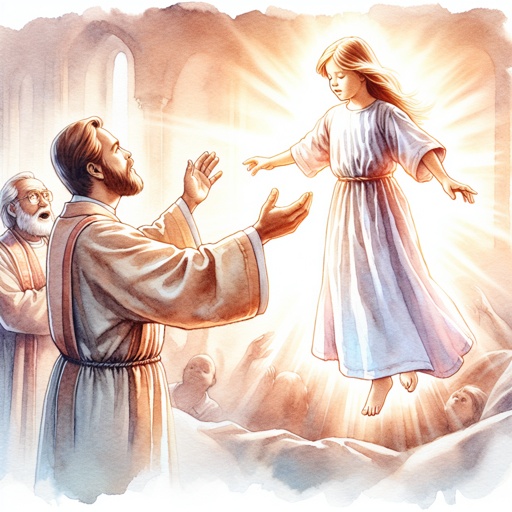
Luke 8:54-56 (KJVA) 54 And he put them all out, and took her by the hand, and called, saying, Maid, arise. 55 And her spirit came again, and she arose straightway: and he commanded to give her meat. 56 And her parents were astonished: but he charged them that they should tell no man what was done.
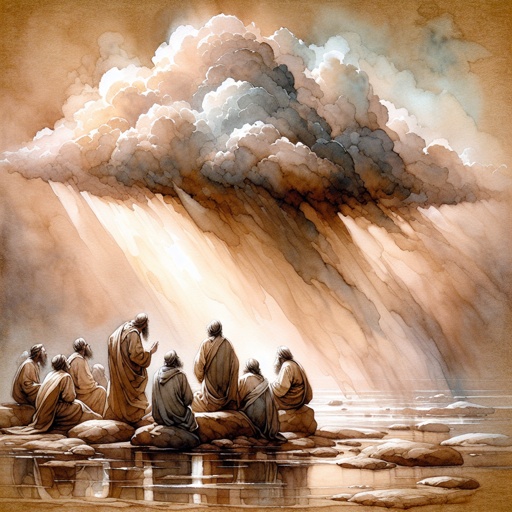
Luke 12:54 Then He also said to the multitudes, “Whenever you see a cloud rising out of the west, immediately you say, ‘A shower is coming’; and so it is.
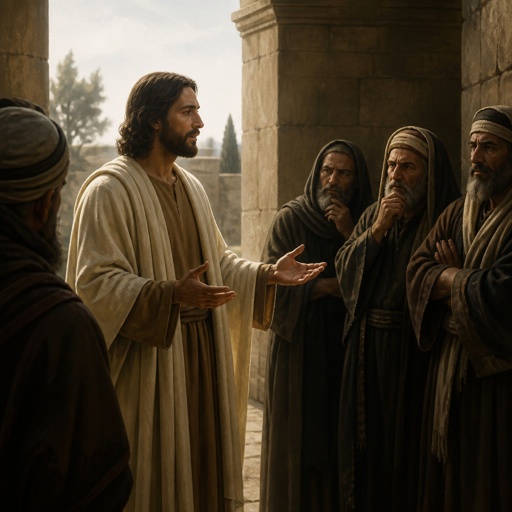
"Laying wait for him, and seeking to catch something out of his mouth, that they might accuse him." - Luke 11:54
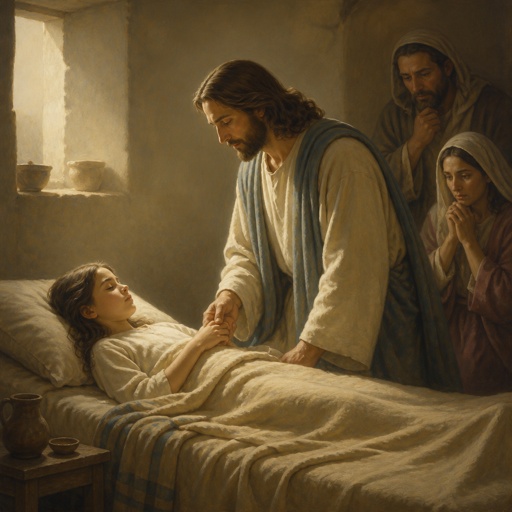
"And he put them all out, and took her by the hand, and called, saying, Maid, arise." - Luke 8:54

Isaiah 54

luke 22:42

Luke 22:39

Luke 22:61,62