What does Luke 22:25-27 mean?
"And he said unto them, The kings of the Gentiles exercise lordship over them; and they that exercise authority upon them are called benefactors. But ye shall not be so: but he that is greatest among you, let him be as the younger; and he that is chief, as he that doth serve. For whether is greater, he that sitteth at meat, or he that serveth? is not he that sitteth at meat? but I am among you as he that serveth." - Luke 22:25-27
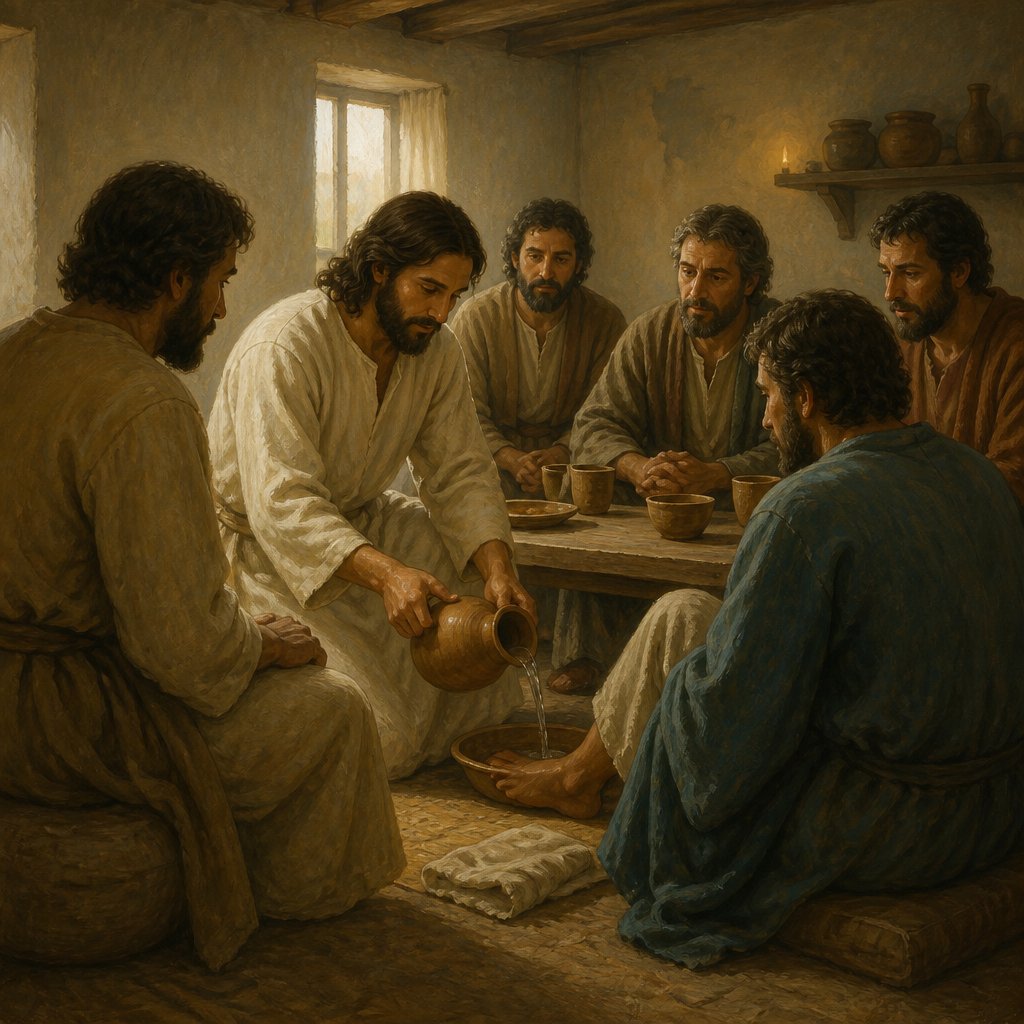
Luke 22:25-27 in the King James Version (KJV) of the Bible reads, "And he said unto them, The kings of the Gentiles exercise lordship over them; and they that exercise authority upon them are called benefactors. But ye shall not be so: but he that is greatest among you, let him be as the younger; and he that is chief, as he that doth serve. For whether is greater, he that sitteth at meat, or he that serveth? is not he that sitteth at meat? but I am among you as he that serveth."
This passage comes from the Gospel of Luke, specifically from the last supper that Jesus shared with his disciples before his crucifixion. In this passage, Jesus is addressing his disciples and teaching them about true servant leadership. He contrasts the leadership style of the world, where rulers exercise authority and seek to be seen as benefactors, with the leadership style that he expects from his followers.
The context of this passage is important for understanding its deeper meaning. At the last supper, Jesus knew that his disciples would soon face difficult times, including persecution, and that they would need to rely on one another for support and guidance. In this passage, Jesus is preparing his disciples to take on leadership roles in spreading his message and building the early church. He is teaching them how to lead with humility and to serve others rather than seeking power and authority over them.
One of the main themes of this passage is servant leadership. Jesus emphasizes that true greatness comes from serving others rather than seeking positions of power and authority. This teaching goes against the cultural norms of the time, where leaders were often seen as those who exerted their authority and sought recognition for their deeds. Instead, Jesus calls his followers to emulate his example of humility and service, showing that the greatest leaders are those who are willing to serve others selflessly.
Another important theme in this passage is the idea of equality and humility. Jesus challenges the disciples to view themselves as equals and to treat one another with respect and humility. He uses the example of a leader being like the youngest and a chief being like a servant to illustrate this point. This challenges the traditional social hierarchy and encourages a more egalitarian and humble approach to leadership and relationships.
The symbolism in this passage is powerful and profound. Jesus, as the ultimate example of servant leadership, embodies the key message of this passage. He deliberately takes on the role of a servant, even though he is their teacher and Lord. This act of washing the disciples' feet, which is described in the preceding verses, serves as a powerful symbol of humility and service. By doing so, Jesus sets an example for his followers to follow, showing them that they should be willing to serve one another in love and humility.
Overall, Luke 22:25-27 in the King James Version of the Bible is a powerful and humbling message about servant leadership and the true nature of greatness in the kingdom of God. It challenges our preconceived notions of leadership and calls us to embrace humility, equality, and service as essential traits of a true disciple of Christ. This passage continues to inspire and challenge Christians to live out their faith by serving others and practicing humility in all aspects of their lives.
Have questions about Luke 22:25-27?
Dive deeper into this scripture with Bible Chat — an AI-powered tool for exploring God's Word through conversation. Ask questions, get context, and grow in your understanding of the Bible.
Get Our Apps


Luke 22:25-27 Artwork

Luke 22:25-27 - "And He said to them, "The kings of the Gentiles exercise lordship over them, and those who exercise authority over them are called 'benefactors.' But not so among you; on the contrary, he who is greatest among you, let him be as the younger, and he who governs as he who serves. For who is greater, he who sits at the table, or he who serves? Is it not he who sits at the table? Yet I am among you as the One who serves."
"And He said to them, "The kings of the Gentiles exercise lordship over them, and those who exercise authority over them are called 'benefactors.' But not so among you; on the contrary, he who is greatest among you, let him be as the younger, and he who governs as he who serves. For who is greater, he who sits at the table, or he who serves? Is it not he who sits at the table? Yet I am among you as the One who serves." - Luke 22:25-27

Luke 22:27 - "For whether is greater, he that sitteth at meat, or he that serveth? is not he that sitteth at meat? but I am among you as he that serveth."
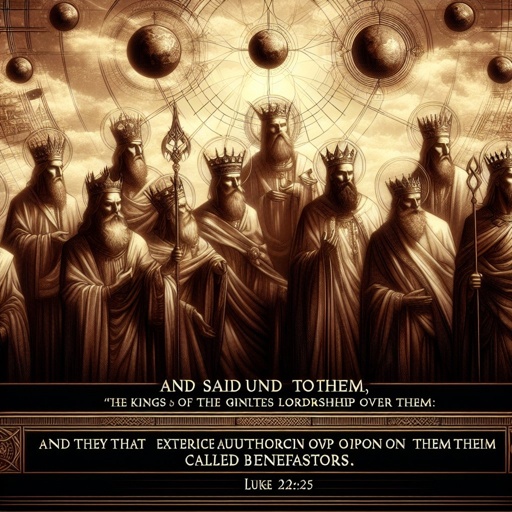
Luke 22:25 - "And he said unto them, The kings of the Gentiles exercise lordship over them; and they that exercise authority upon them are called benefactors."

1 Corinthians 9:25-27

1 Corinthians 9:25-27

Genesis 25-27

1 Corinthians 9:25-27

1 Corinthians 9:25-27

luke 1:27

John 19:25-27

luke 6: 27

Luke 10:27

John 19:25-27

Luke 1:25

Luke 1:25

Luke 1:25
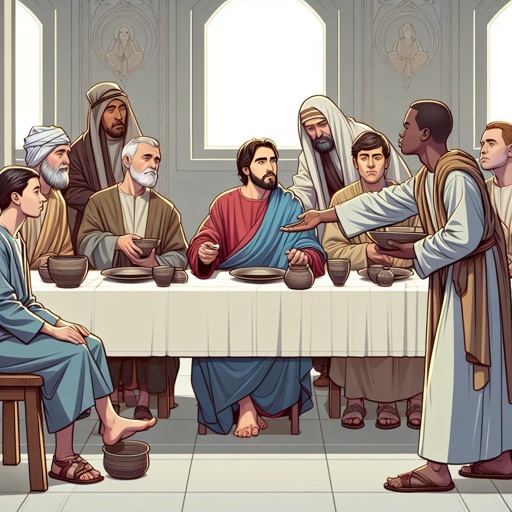
Luke 22:26-27 - "But you are not to be like that. Instead, the greatest among you should be like the youngest, and the one who rules like the one who serves. For who is greater, the one who is at the table or the one who serves? Is it not the one who is at the table? But I am among you as one who serves."

Luke 12:25

Luke 1:25

Luke 12:25

Luke 1:25
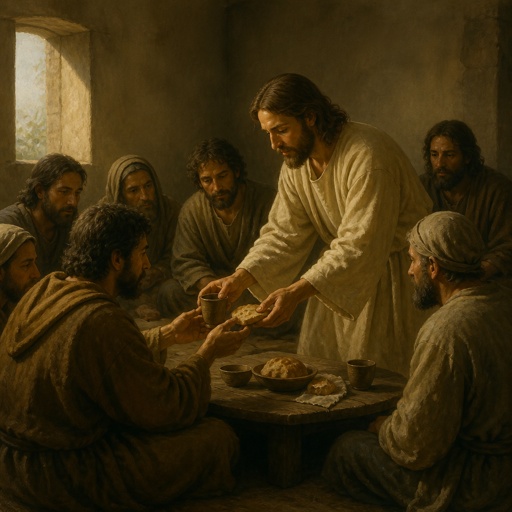
"For whether is greater, he that sitteth at meat, or he that serveth? is not he that sitteth at meat? but I am among you as he that serveth." - Luke 22:27

Luke 14:25-27 - "Large crowds were traveling with Jesus, and turning to them he said: “If anyone comes to me and does not hate father and mother, wife and children, brothers and sisters—yes, even their own life—such a person cannot be my disciple. And whoever does not carry their cross and follow me cannot be my disciple."

Genesis 25:22

Luke 6: 27-38

Luke 6:27-38

Luke 13:28-27

Luke 13:28-27

Luke 13:28-27