What does Luke 22:19 mean?
"¶ And he took bread, and gave thanks, and brake it, and gave unto them, saying, This is my body which is given for you: this do in remembrance of me." - Luke 22:19
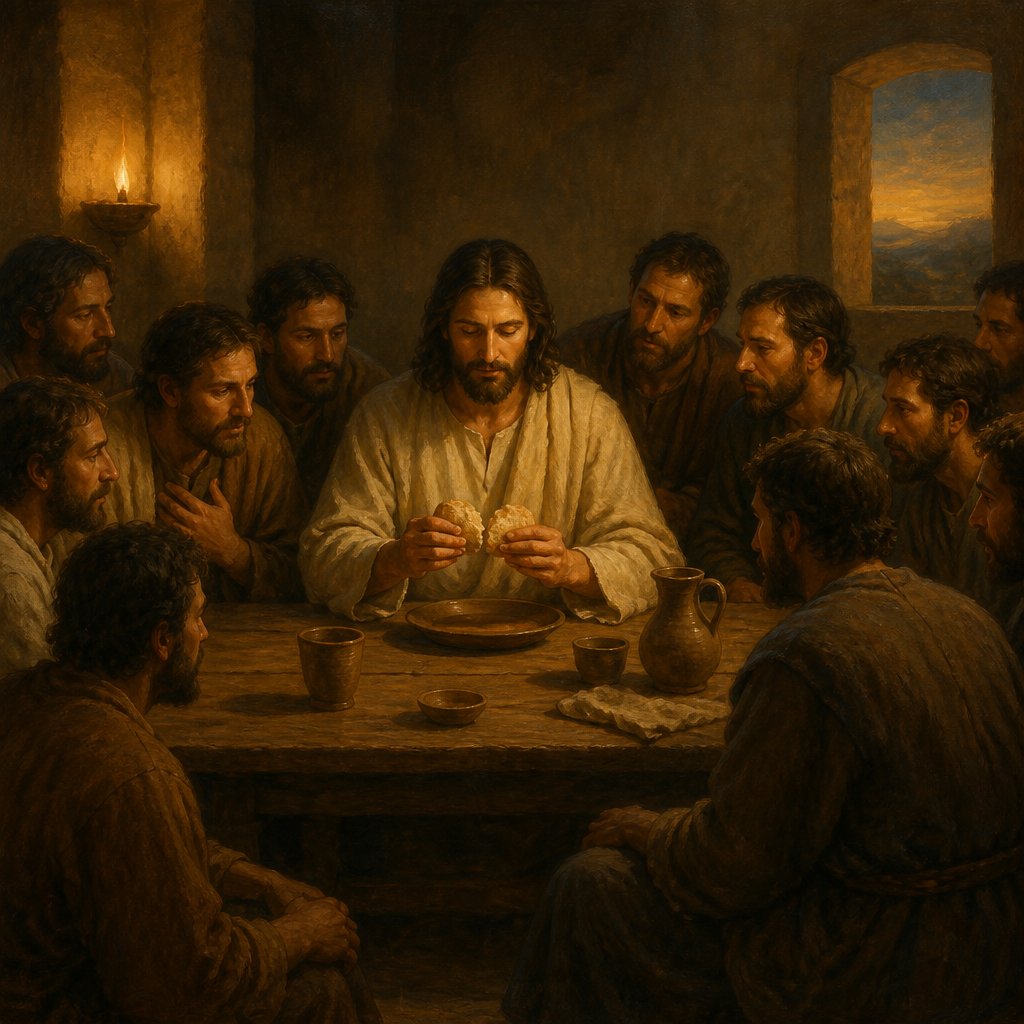
Luke 22:19 in the King James Version (KJV) of the Bible reads, "And he took bread, and gave thanks, and brake it, and gave unto them, saying, This is my body which is given for you: this do in remembrance of me." This verse is a part of the Last Supper, a significant event in the life of Jesus Christ, and holds deep meaning for Christians.
The Last Supper took place shortly before Jesus' crucifixion, and the breaking of the bread is symbolic of Jesus' body being broken for the salvation of mankind. The act of giving thanks before breaking the bread reflects the practice of giving thanks to God for providing sustenance. In this context, it also signifies Jesus acknowledging and accepting his impending sacrifice for the redemption of humanity. The act of giving the bread to his disciples and instructing them to do the same in remembrance of him establishes the symbolic ritual of the Eucharist, which holds a central place in Christian liturgy.
The themes present in this verse are sacrifice, redemption, and remembrance. Jesus' words "This is my body which is given for you" encapsulate the essence of Christian theology, emphasizing the sacrificial nature of Jesus' death for the forgiveness of sins. The idea of remembrance is also crucial, as it underscores the importance of commemorating Jesus' sacrifice through the ritual of the Eucharist. This act of remembrance serves as a foundational practice in Christian worship, uniting believers in the shared experience of receiving the body and blood of Christ.
The historical and cultural context of this verse is rooted in the Jewish tradition of Passover. The Last Supper was a Passover meal, and the breaking of the bread bears resemblance to the traditional Jewish practice of breaking unleavened bread during the Passover feast. This context enriches the symbolism of Jesus as the Passover lamb, whose sacrificial death brings deliverance from sin and spiritual bondage. It also illustrates the continuity between the religious traditions of Judaism and Christianity, highlighting the fulfillment of the Old Testament prophecies in the person of Jesus Christ.
The symbolism in Luke 22:19 is profound and multi-layered. The bread represents Jesus' body, broken and given for the salvation of humanity. This imagery echoes the prophecies in the Old Testament, particularly the suffering servant in Isaiah 53, who was wounded for our transgressions and bruised for our iniquities. The act of breaking the bread signifies the breaking of Jesus' body on the cross, and by partaking in the Eucharist, Christians symbolically participate in the redemptive work of Christ.
Furthermore, the Eucharist is a potent symbol of unity and community among believers. By sharing in the body and blood of Christ, Christians affirm their fellowship with one another and with Jesus himself. The act of remembrance not only commemorates Jesus' sacrifice but also renews the spiritual bond between the individual believer and the divine. It serves as a solemn reminder of the enduring love and grace of God, which was manifested in the ultimate act of self-sacrifice.
In conclusion, Luke 22:19 in the King James Version encapsulates the central tenets of Christian faith and practice. It holds profound significance as a representation of Jesus' sacrificial death, the establishment of the Eucharistic ritual, and the unity of believers in remembrance of Christ. The themes of sacrifice, redemption, and remembrance are woven intricately into the symbolic act of breaking bread, imbuing it with deep spiritual and theological meaning for the Christian community. This verse continues to inspire contemplation and devotion among believers, serving as a testament to the enduring power of Jesus' sacrifice and the transformative nature of the Eucharist in the life of the Church.
Have questions about Luke 22:19?
Dive deeper into this scripture with Bible Chat — an AI-powered tool for exploring God's Word through conversation. Ask questions, get context, and grow in your understanding of the Bible.
Get Our Apps


Luke 22:19 Artwork

Luke 22:19 - "¶ And he took bread, and gave thanks, and brake it, and gave unto them, saying, This is my body which is given for you: this do in remembrance of me."
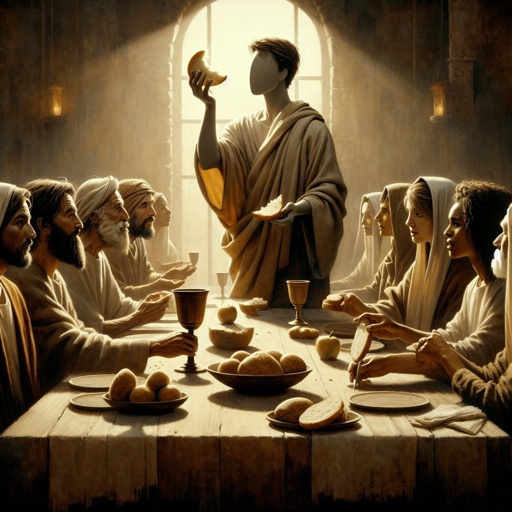
Luke 22:19-20 - "And he took bread, gave thanks and broke it, and gave it to them, saying, “This is my body given for you; do this in remembrance of me.” In the same way, after the supper he took the cup, saying, “This cup is the new covenant in my blood, which is poured out for you."
"¶ And he took bread, and gave thanks, and brake it, and gave unto them, saying, This is my body which is given for you: this do in remembrance of me." - Luke 22:19
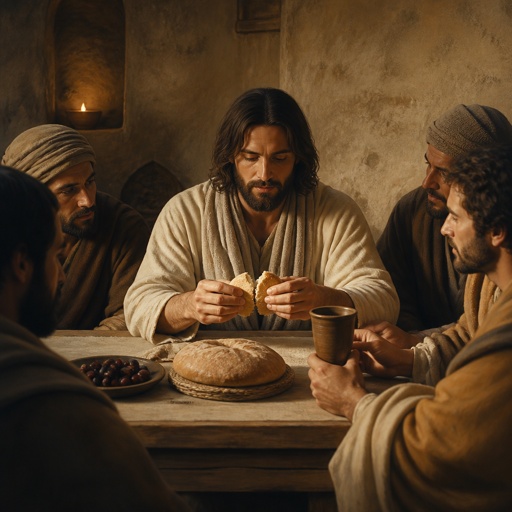
"And he took bread, gave thanks and broke it, and gave it to them, saying, “This is my body given for you; do this in remembrance of me.” In the same way, after the supper he took the cup, saying, “This cup is the new covenant in my blood, which is poured out for you." - Luke 22:19-20
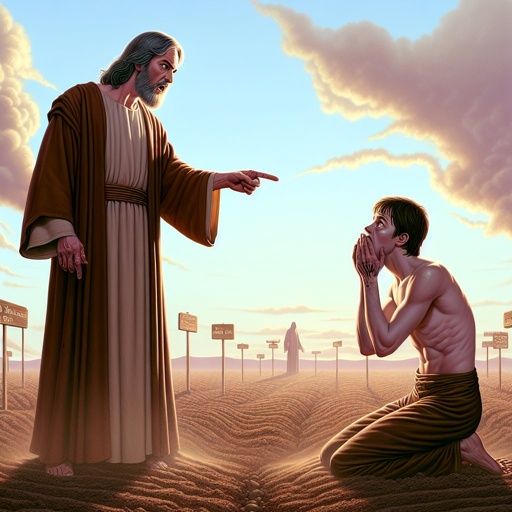
Luke 19:22 - "And he saith unto him, Out of thine own mouth will I judge thee, thou wicked servant. Thou knewest that I was an austere man, taking up that I laid not down, and reaping that I did not sow:"

Luke 10:18-19

Luke 13:18-19

Luke 10:18-19

Luke 10:18-19

Luke 10:17-19

Luke 13:18-19

Luke 10:18-19

Luke 10:18-19

Luke 10:18-19

Luke 10:17-19

luke 22:42

Luke 22:39

Luke 22:61,62

Luke 22:39

luke 22 44
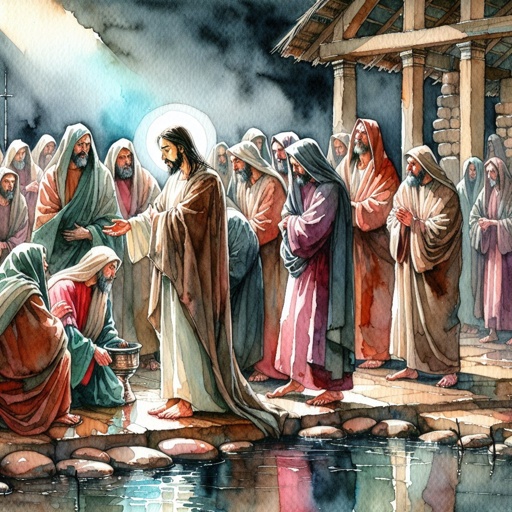
luke 22:42

Luke 22:42

Luke 19:23

Luke 1:19

Luke 19:23

Luke 19:19 - "And he said likewise to him, Be thou also over five cities."

Luke 19:10

Luke 19:28

Luke 1:19
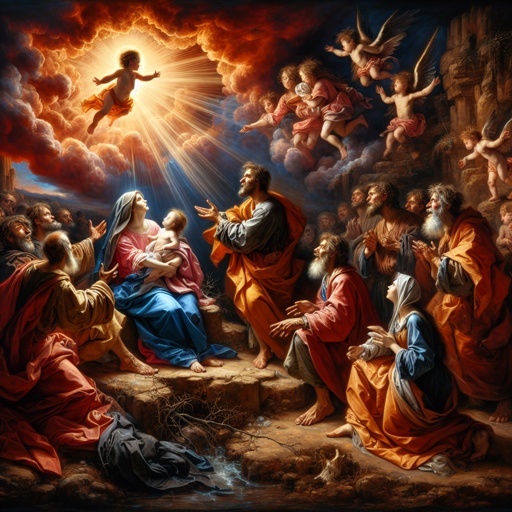
Luke 1:19