What does Luke 21:6 mean?
"As for these things which ye behold, the days will come, in the which there shall not be left one stone upon another, that shall not be thrown down." - Luke 21:6
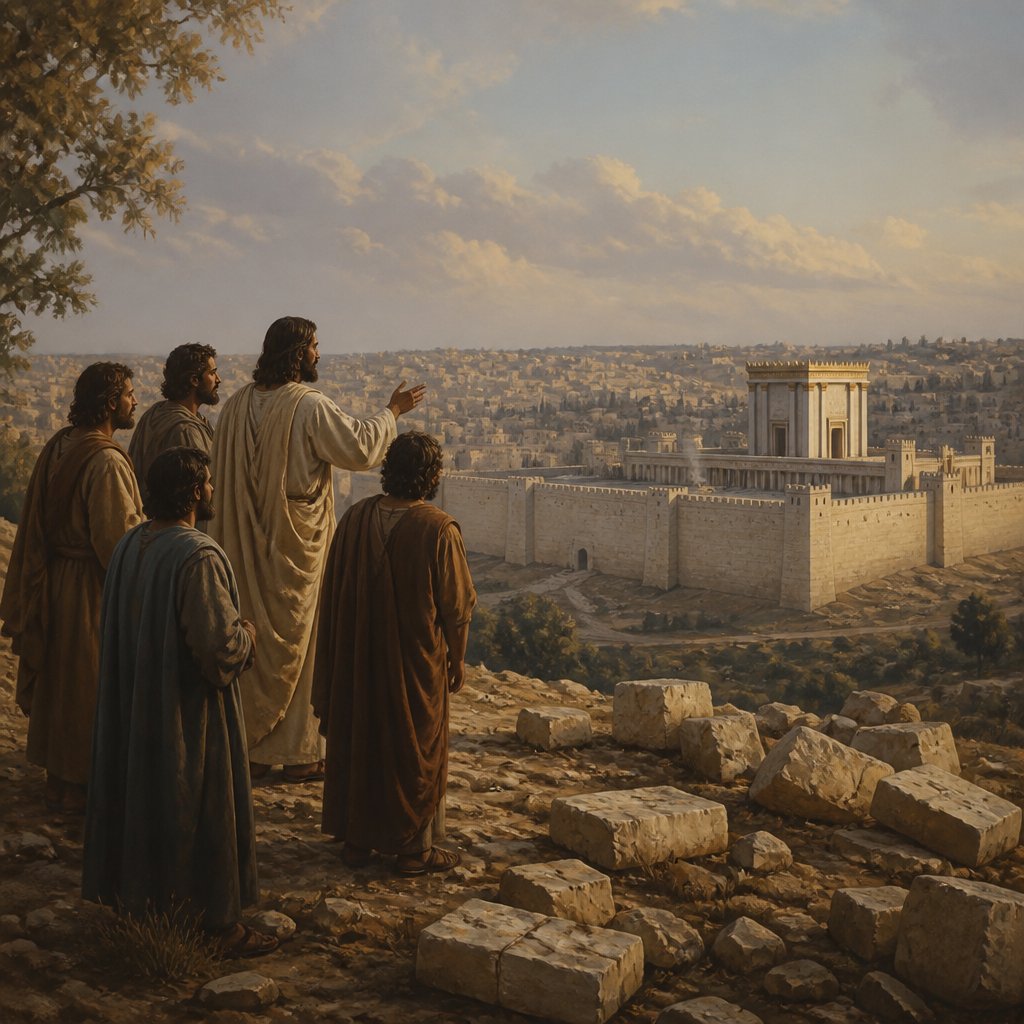
Luke 21:6 (KJV) states: "As for these things which ye behold, the days will come, in the which there shall not be left one stone upon another, that shall not be thrown down."
This verse is part of a longer passage in the Gospel of Luke, in which Jesus predicts the destruction of the temple in Jerusalem. In this passage, Jesus foretells the signs of the end times and warns his disciples to be prepared for the trials and tribulations that they will face.
The context of this verse is significant for understanding its meaning. Jesus is in Jerusalem, and he and his disciples are observing the temple and its grandeur. The disciples are marveling at the beauty and strength of the temple, but Jesus shocks them by prophesying its destruction. This prediction would have been alarming and unsettling for the disciples, as the temple was the center of Jewish religious life and identity.
One theme that emerges from this verse is the transient nature of worldly things. In the face of the disciples' admiration for the temple, Jesus reminds them that even the most magnificent and seemingly permanent structures are subject to destruction. This serves as a powerful reminder that material possessions and earthly achievements are ultimately temporary and fleeting. It also emphasizes the impermanence of human power and authority. This theme is echoed in other parts of the New Testament, such as in the Book of James, where it is written, "For what is your life? It is even a vapor that appears for a little time and then vanishes away" (James 4:14, KJV).
Another theme in this verse is the concept of divine judgment. The destruction of the temple is portrayed as a consequence of the people's rejection of God and their failure to recognize his presence among them. Throughout the Gospels, Jesus frequently warns of divine judgment for those who do not repent and turn to God. The temple's destruction serves as a stark and tangible example of this judgment, demonstrating the consequences of spiritual neglect and disobedience.
The symbolism in this verse is striking. The image of "not be left one stone upon another" is a powerful and visual representation of complete devastation. It conveys the thoroughness of the destruction that will be brought upon the temple. This imagery would have been especially potent for the disciples, as the temple was not only a religious symbol but also a national and cultural one. The idea of its total destruction would have been deeply unsettling, evoking a sense of loss and desolation.
Ultimately, this verse serves as a sobering reminder of the impermanence of worldly things and the certainty of divine judgment. It prompts reflection on the true source of lasting security and significance, pointing to the eternal and unchanging nature of God. In the face of upheaval and destruction, the verse encourages faith and trust in the steadfastness of God's promises and the ultimate victory of his kingdom.
In conclusion, Luke 21:6 carries profound thematic, contextual, and symbolic significance. It serves as a poignant and thought-provoking warning about the transient nature of worldly things and the consequences of spiritual neglect. It also points to the enduring stability and faithfulness of God, inviting believers to place their trust in Him rather than in fleeting earthly powers.
Have questions about Luke 21:6?
Dive deeper into this scripture with Bible Chat — an AI-powered tool for exploring God's Word through conversation. Ask questions, get context, and grow in your understanding of the Bible.
Get Our Apps


Luke 21:6 Artwork

Luke 21:6 - "As for these things which ye behold, the days will come, in the which there shall not be left one stone upon another, that shall not be thrown down."
"As for these things which ye behold, the days will come, in the which there shall not be left one stone upon another, that shall not be thrown down." - Luke 21:6

Luke 6:21-26

Luke 6:21-26

Luke 6:21 - "Blessed are ye that hunger now: for ye shall be filled. Blessed are ye that weep now: for ye shall laugh."

Luke 6:21 (KJVA) 21 Blessed are ye that hunger now: for ye shall be filled. Blessed are ye that weep now: for ye shall laugh.

Luke 13:20-21

Luke 13:20-21
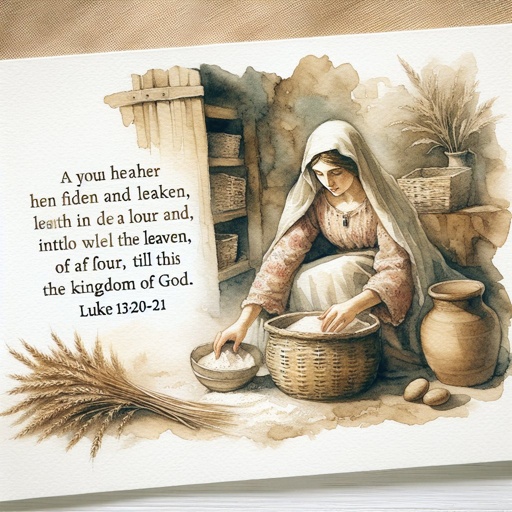
Luke 13:20-21

Luke 13:20-21

Luke 13:20-21

Luke 15:21

Luke 21:24

Luke 15:21
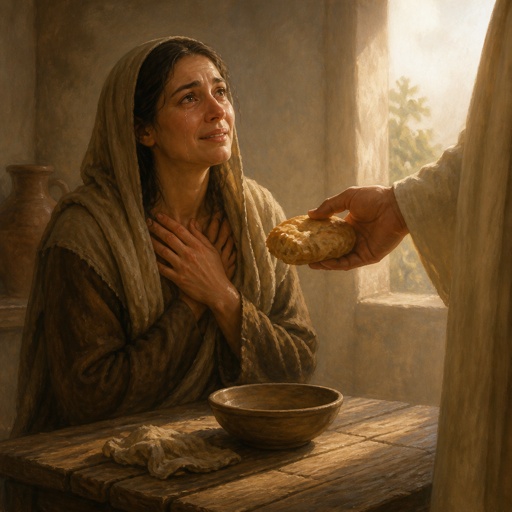
"Blessed are ye that hunger now: for ye shall be filled. Blessed are ye that weep now: for ye shall laugh." - Luke 6:21

luke 21:5-19

Luke 21:15-19

Luke 2:16 - 21

Matthew 21:21 Philippians 4:6-7 Ephesians 6:10-18 Put the words on the photo

Luke 21:13 - "And it shall turn to you for a testimony."

Luke 6

Luke 21:18 - "But there shall not an hair of your head perish."

Matthew 21:21 Philippians 4:6-7 Ephesians 6:10-18

Luke 21:19 - "In your patience possess ye your souls."

Luke 23:21 - "But they cried, saying, Crucify him, crucify him."

Luke 21:21 - "Then let them which are in Judaea flee to the mountains; and let them which are in the midst of it depart out; and let not them that are in the countries enter thereinto."

luke 6:30

luke 6: 27

Luke 22:21 - "¶ But, behold, the hand of him that betrayeth me is with me on the table."

Genesis 21-6