What does Luke 21:27 mean?
"And then shall they see the Son of man coming in a cloud with power and great glory." - Luke 21:27
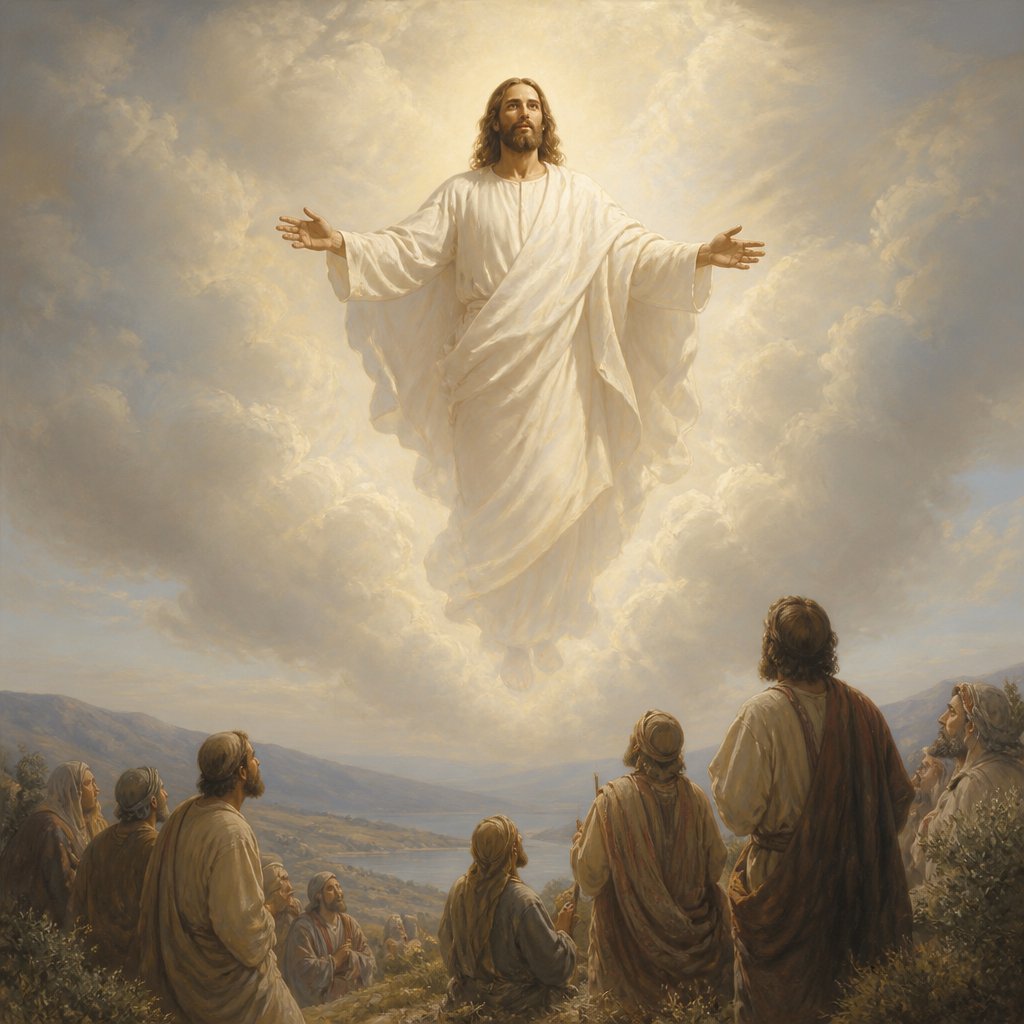
Luke 21:27 in the King James Version reads, “And then shall they see the Son of man coming in a cloud with power and great glory.” In its plain sense, the verse is a promise that a time is coming when the return of “the Son of man” will no longer be hidden, spiritualized, or merely inferred, but will be seen and recognized. The wording “then shall they see” points to a public unveiling. It is not describing a private experience of faith inside the heart, but an event in history that breaks into ordinary human sight and forces a reckoning with who Christ is.
The title “the Son of man” is itself a major key to the verse. In the Gospels Jesus often uses it of himself, and it carries both humility and authority at once. It speaks of real humanity, the One who entered the condition of men and walked among them; yet it also evokes the prophetic expectation of a divinely appointed ruler. When Luke says “they shall see the Son of man,” the verse ties the suffering, rejected Jesus of earlier scenes to the exalted, vindicated Christ of the end. The One who was despised and crucified is the very One who returns in manifest kingship.
The immediate context of Luke 21 is Jesus’ discourse about coming troubles, judgments, and the end, spoken near the close of his earthly ministry. The chapter includes warnings of deception, persecution, upheavals among nations, and “fearful sights and great signs” before the climax. Luke 21:27 stands as a peak in that discourse, after distress and confusion have reached their height and after the shaking of ordinary securities has exposed how fragile the world’s order is. In that setting, the verse functions as the turning point from dread to revelation: the turmoil is not meaningless chaos, but the prelude to the appearing of the rightful King.
The imagery “coming in a cloud” is rich with biblical symbolism. In Scripture, the cloud often marks the presence and majesty of God, a veil that both reveals and conceals divine glory. A cloud can signify that what is happening is not merely human, not merely political, not merely natural; it is the intrusion of heaven’s authority into earth’s affairs. The cloud also suggests transcendence: the coming is not like the arrival of another earthly ruler with an army marching over the horizon, but like a descent of divine presence. It speaks of God’s initiative and sovereignty, and it frames Christ’s return as an act of God’s own visitation.
The phrase “with power and great glory” explains the manner and meaning of the coming. “Power” is the effective authority to accomplish what is decreed, the irresistible might that ends the rebellion and disorder of the present age. “Great glory” points to splendor and honor that belongs to Christ by right, not granted by men but displayed by God. In Luke’s narrative, Jesus’ glory is often veiled during his humiliation; here it is unveiled. The verse therefore carries the theme of vindication: the world that judged him will itself be judged by his appearing, and the seeming weakness of the cross is answered by the manifested majesty of the risen Lord.
A significant theme in Luke 21:27 is visibility and universality. The text does not say only the faithful will perceive it, but that “they” shall see. In context, “they” includes those in distress upon the earth and the nations in perplexity. The return of Christ is portrayed as an objective reality that confronts all people. This underscores accountability. History is moving toward a moment when Christ’s identity and authority are no longer contested by competing claims, because his “power and great glory” settle the question.
The verse also works as a theological anchor amid the chapter’s many warnings. Jesus describes tribulation, yet he places that tribulation inside a larger storyline in which God brings matters to their appointed end. Luke 21:27 therefore is not meant chiefly to satisfy curiosity about future chronology, but to shape faith and endurance. It teaches that the final word over suffering, persecution, and the instability of nations is not chaos but Christ. The coming of the Son of man is the disclosure that the world is not ultimately governed by fear, rumor, or violence, but by the One whom God has appointed.
Symbolically, the cloud, power, and glory combine to present Christ’s return as a theophanic event, an appearing of divine majesty that both reveals and judges. A cloud in Scripture can be both guidance and warning, comfort and terror, depending on one’s relationship to God. In that way, Luke 21:27 can be heard as both promise and warning. It is promise to those who look to Christ, because his return means deliverance, the setting right of wrongs, and the public triumph of righteousness. It is warning to those who resist him, because the same glory that comforts the faithful exposes and condemns unbelief and injustice.
The significance of Luke 21:27, then, is that it places Jesus at the center of the end of history. The verse declares that history is not merely a cycle of empires rising and falling, nor an endless drift toward meaninglessness, but a story moving toward the appearing of the Son of man. The crucified and risen Christ will be seen as he truly is, “with power and great glory,” and that revelation will be the decisive moment that interprets all that came before it.
Have questions about Luke 21:27?
Dive deeper into this scripture with Bible Chat — an AI-powered tool for exploring God's Word through conversation. Ask questions, get context, and grow in your understanding of the Bible.
Get Our Apps


Luke 21:27 Artwork

Luke 21:27 - "And then shall they see the Son of man coming in a cloud with power and great glory."
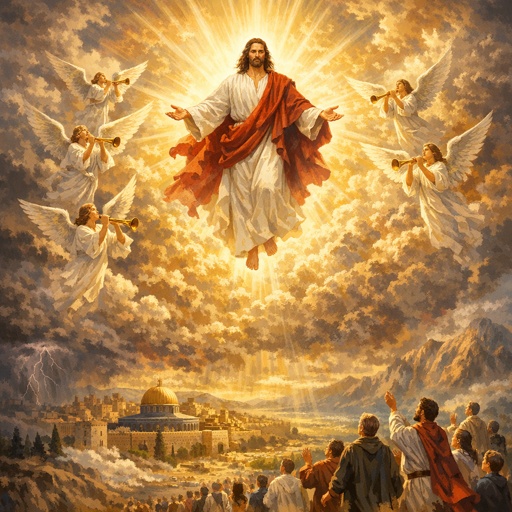
"And then shall they see the Son of man coming in a cloud with power and great glory." - Luke 21:27
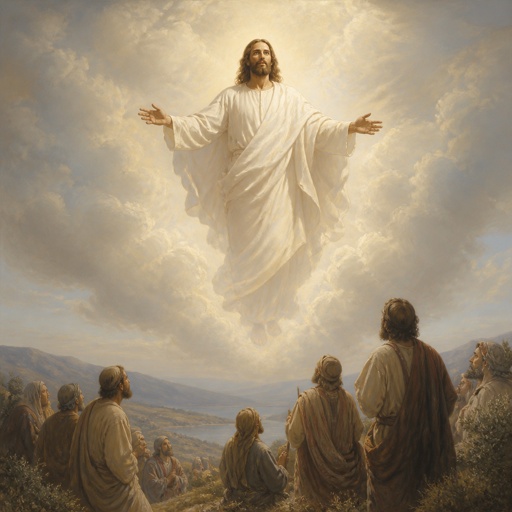
"And then shall they see the Son of man coming in a cloud with power and great glory." - Luke 21:27

luke 1:27

luke 6: 27

Luke 10:27

Genesis 21-27

Luke 6: 27-38

Luke 6:27-38

Luke 13:28-27

Luke 13:28-27

Luke 13:28-27

Luke 13:20-21

Luke 13:20-21
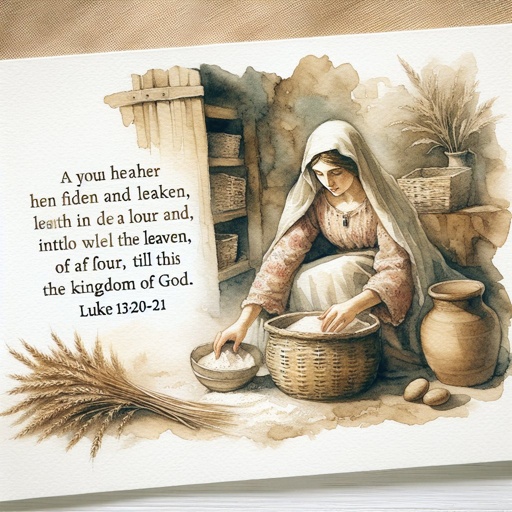
Luke 13:20-21

Luke 13:20-21

Luke 13:20-21

Amos 5:21-27

Luke 15:21

Luke 21:24

Luke 15:21

Exodus 27:19-21

Luke 6:21-26

luke 21:5-19

Luke 18:27 - "And he said, The things which are impossible with men are possible with God."

Luke 6:21-26

Luke 21:15-19

Luke 2:16 - 21

Luke 21:13 - "And it shall turn to you for a testimony."

Luke 21:18 - "But there shall not an hair of your head perish."