What does Luke 20:18 mean?
"Whosoever shall fall upon that stone shall be broken; but on whomsoever it shall fall, it will grind him to powder." - Luke 20:18
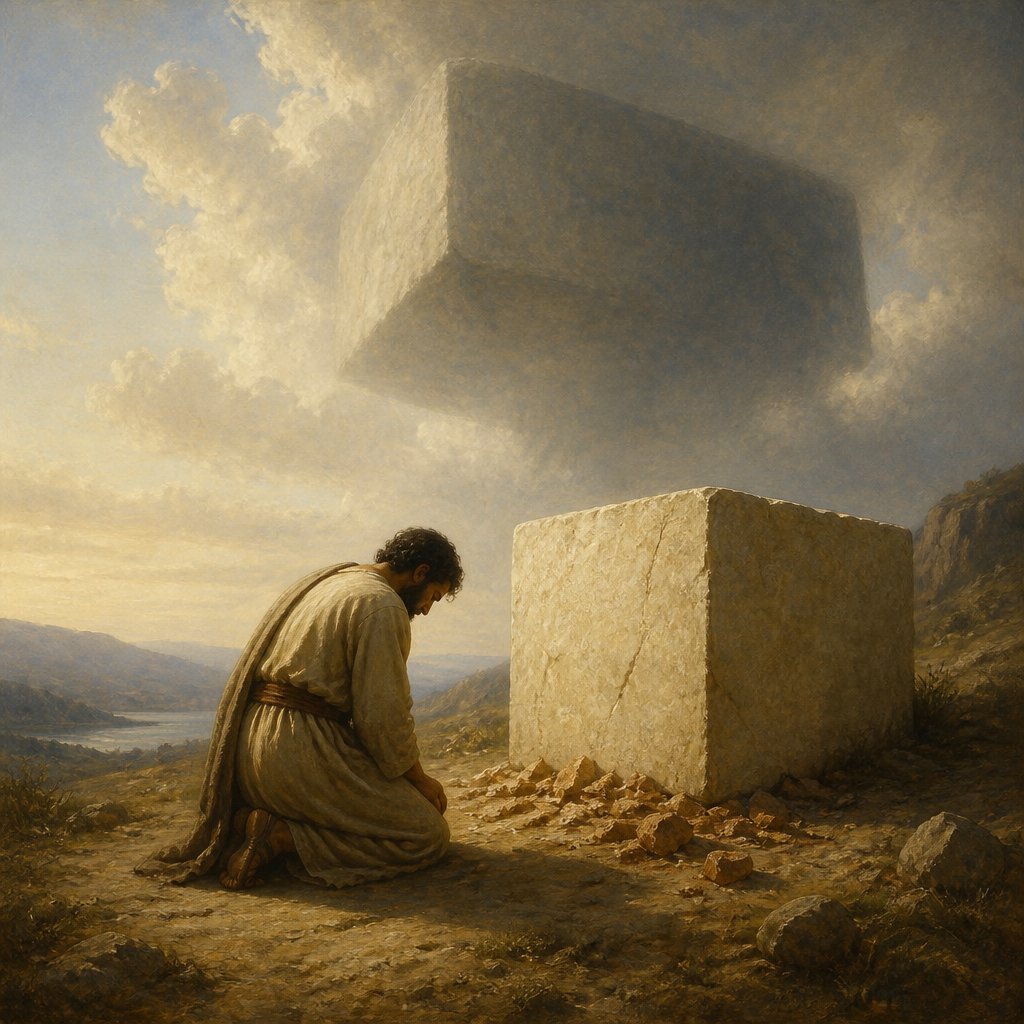
In the book of Luke, chapter 20, verse 18, Jesus says, "Whosoever shall fall upon that stone shall be broken; but on whomsoever it shall fall, it will grind him to powder." This verse is often interpreted as a warning about the consequences of rejecting Jesus and his teachings. However, the full meaning and context of this verse can be better understood through a detailed analysis of its themes, context, and symbolism.
The context of this verse is important to understand its full meaning. In the preceding verses, the religious leaders are challenging Jesus' authority and questioning his teachings. In response, Jesus tells a parable about a man who planted a vineyard and leased it to tenants. When the owner of the vineyard sends servants to collect his share of the produce, the tenants mistreat and kill them. Finally, the owner sends his son, thinking they will respect him, but the tenants also kill him.
This parable is a metaphor for the religious leaders' rejection of God's messengers, including John the Baptist and ultimately Jesus himself. The stone referred to in verse 18 can be interpreted as a metaphor for Jesus, who is the cornerstone of the Christian faith. Those who fall upon this stone and are broken may be seen as those who humbly submit themselves to Jesus and his teachings. They are willing to acknowledge their own sinfulness and need for salvation.
On the other hand, those upon whom the stone falls and are ground to powder may symbolize those who reject Jesus and his message. They face the ultimate consequence of their rejection, which is eternal separation from God. This verse, therefore, serves as a warning about the consequences of rejecting Jesus and the need for humility and repentance.
One of the key themes of this verse is the idea of judgment. Throughout the Bible, there are numerous references to God's judgment upon those who reject him and his teachings. This verse underscores the idea that there are consequences for our choices, particularly our choice to either accept or reject Jesus as the cornerstone of our faith. It serves as a reminder that our actions have real and eternal consequences.
Another theme present in this verse is salvation. The concept of falling upon the stone and being broken can be seen as a call to humility and repentance. It suggests that those who recognize their need for salvation and are willing to submit themselves to Jesus will find healing and restoration. However, those who resist and reject Jesus will face the full weight of God's judgment.
The symbolism in this verse is significant. The stone represents Jesus, who is often referred to as the cornerstone in the New Testament. In ancient architecture, the cornerstone was the first stone set in the construction of a building, and it determined the overall design and alignment of the entire structure. Similarly, Jesus is the foundational truth upon which the Christian faith is built.
In conclusion, Luke 20:18 is a powerful and sobering reminder of the consequences of rejecting Jesus and his teachings. It emphasizes the themes of judgment and salvation, while using the symbolism of the stone to convey these ideas. This verse challenges us to reflect on our own response to Jesus and consider the eternal implications of our choices. It serves as a call to humility, repentance, and a recognition of Jesus as the cornerstone of our faith.
Have questions about Luke 20:18?
Dive deeper into this scripture with Bible Chat — an AI-powered tool for exploring God's Word through conversation. Ask questions, get context, and grow in your understanding of the Bible.
Get Our Apps


Luke 20:18 Artwork

Luke 20:18 - "Whosoever shall fall upon that stone shall be broken; but on whomsoever it shall fall, it will grind him to powder."
"Whosoever shall fall upon that stone shall be broken; but on whomsoever it shall fall, it will grind him to powder." - Luke 20:18

Luke 18:20 - "Thou knowest the commandments, Do not commit adultery, Do not kill, Do not steal, Do not bear false witness, Honour thy father and thy mother."

Luke 13:20-21

Luke 13:20-21

Luke 13:20-21

Luke 13:20-21
Luke 13:20-21

Luke 10:18-19

Luke 13:18-19

Luke 10:18-19

Luke 10:18-19

Luke 13:18-19

Luke 10:18-19

Luke 10:18-19

Luke 10:18-19

Luke 20:28

Luke 4:18

Luke 4:18

Luke 2:1-20

Matthew 18:20

Genesis 20-18

Genesis 18-20

Matthew 18:20

Matthew 18:20

Luke 20:7 - "And they answered, that they could not tell whence it was."

Luke 18: 9-14

Luke 8:4-18

Luke 10:18-19

Luke 18:9-14