What does Luke 1:79 mean?
"To give light to them that sit in darkness and in the shadow of death, to guide our feet into the way of peace." - Luke 1:79
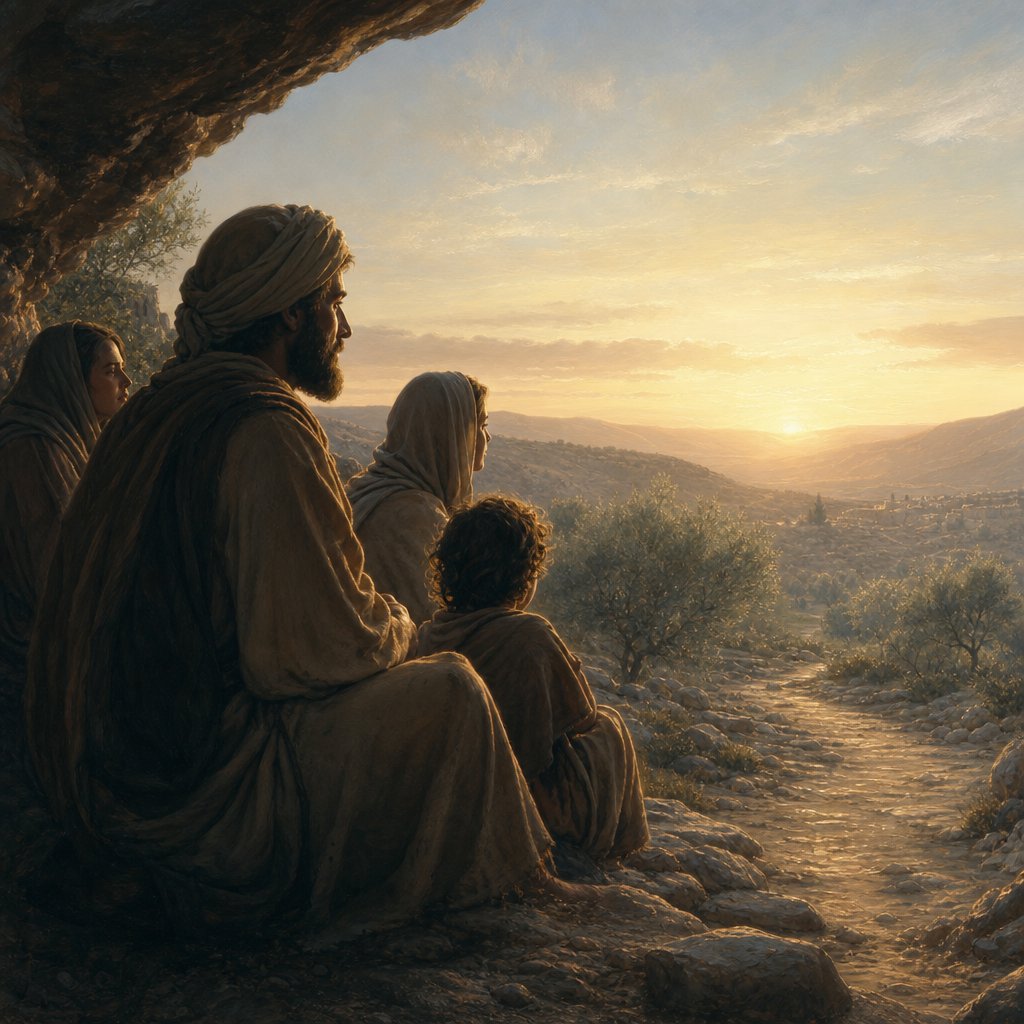
Luke 1:79 in the King James Version reads, “To give light to them that sit in darkness and in the shadow of death, to guide our feet into the way of peace.” This line belongs to the prophecy spoken by Zacharias after the birth of his son John, a Spirit-given declaration that looks beyond John to the Lord whose coming John will announce. It stands near the end of Zacharias’s song, where he blesses “the Lord God of Israel” for visiting and redeeming his people, and where he names John as “the prophet of the Highest” who will “go before the face of the Lord to prepare his ways.” In that setting, Luke 1:79 expresses what God’s visitation is meant to accomplish for those who need it most: illumination for the lost and direction for the wandering, not merely in outward circumstances but in the deepest moral and spiritual sense.
The verse speaks first in the language of light and darkness: “To give light to them that sit in darkness.” In Scripture, darkness often signifies ignorance of God, estrangement from him, and the inward condition of sin’s confusion—an inability to see truly, to interpret life rightly, or to find a safe path forward. The phrase “sit in darkness” is especially suggestive, because sitting implies not a brief moment of shadow but a settled state, as if people have been brought low and have no strength to rise or no knowledge of where to go. The promise, then, is not that those in darkness will somehow discover light by their own effort, but that light will be given to them. The initiative is God’s. It is part of the “tender mercy of our God” spoken of just before, a mercy that does not wait for the darkened to become bright, but comes to them where they are.
Zacharias deepens the image by adding, “and in the shadow of death.” This is more than ordinary darkness; it is the darkness cast by death itself, the looming presence of mortality, judgment, and the fear that follows humanity under the curse of sin. A shadow is the sign of something real and near. The verse portrays people not only as uninformed or misguided but as living under the threat and weight of death, as though its shade stretches across the whole landscape of human life. In that sense the prophecy reaches into the most universal human predicament: life lived with death as its horizon. The coming light is therefore not a mere improvement of mood or circumstance; it is God’s answer to the final enemy and to the dread that death casts upon conscience and hope. Within the larger flow of Zacharias’s words about “remission of their sins,” the shadow of death is linked to sin’s outcome, and the light that dawns is tied to forgiveness and rescue.
The imagery of light itself is rich in biblical symbolism. Light reveals what is hidden, separates truth from deception, and makes safe movement possible. It also signifies God’s own presence and favor, because only God can truly scatter the darkness that the verse describes. The verse is not simply poetic; it is covenant language: God “visiting” his people means he draws near in saving power. The light is the sign of that visitation. Though Zacharias is speaking at the birth of John, the verse’s focus is ultimately on what John will point to: the Lord’s arrival as the true dawn for a dark world. John’s ministry will be like a herald at daybreak, but the day itself is the Lord’s.
The second half of Luke 1:79 turns from illumination to direction: “to guide our feet into the way of peace.” Light is given not only so that people may see, but so that they may walk. The language of “feet” makes the promise concrete and practical: it concerns the actual course of life—choices, paths, conduct, and destiny. To be guided implies that without God’s help the path is not naturally found, and that those in darkness are not merely uninformed but in danger. Guidance also implies a continuing need, not a single moment of insight. The verse presents salvation as both revelation and leading: God shows the way and then conducts his people along it.
“The way of peace” is not merely a quiet life or the absence of conflict, though it certainly includes God’s desire to heal what is broken. In biblical thought, peace is bound up with being set right with God and living in the order that flows from his favor. In the immediate context, Zacharias has already spoken of deliverance from enemies and of serving God “without fear, in holiness and righteousness before him, all the days of our life.” The “way of peace” fits that: it is the path of reconciled life, where fear is replaced by confident worship, where guilt gives way to forgiveness, and where bondage gives way to holy service. Peace is therefore the destination and the manner of the journey: a way marked by God’s reconciling work and by the steadiness that comes from walking under his guidance rather than stumbling in darkness.
There is also a quiet but important communal note: Zacharias says “to guide our feet,” not only “my feet.” The prophecy has Israel in view—God’s people as a whole—yet it also reaches outward to any who share the described condition of darkness and the shadow of death. The verse carries the sense that God’s salvation creates a people who walk together in a divinely given path, rather than isolated individuals trying to invent their own peace. Peace here is not self-made; it is God-given and God-directed.
Seen as a whole, Luke 1:79 gathers the significance of the coming of the Lord into a single picture. Humanity is portrayed as seated in a darkness too deep to escape and under a shadow too heavy to ignore. God responds with a dawn that is both merciful and powerful: light that reveals and rescues, guidance that leads into a life characterized by peace. The verse’s strength is that it joins the inner and outer dimensions of salvation—knowledge and direction, forgiveness and a new path, deliverance from death’s shadow and entrance into peace—so that the coming of the Lord is seen not as an abstract doctrine but as God’s decisive intervention to bring people out of ruin and into a reconciled, guided, steady life before him.
Have questions about Luke 1:79?
Dive deeper into this scripture with Bible Chat — an AI-powered tool for exploring God's Word through conversation. Ask questions, get context, and grow in your understanding of the Bible.
Get Our Apps


Luke 1:79 Artwork

Luke 1:79 - "To give light to them that sit in darkness and in the shadow of death, to guide our feet into the way of peace."
"To give light to them that sit in darkness and in the shadow of death, to guide our feet into the way of peace." - Luke 1:79

1 Chronicles 6:79 - "Kedemoth also with her suburbs, and Mephaath with her suburbs:"

Psalms 79:1 - "O God, the heathen are come into thine inheritance; thy holy temple have they defiled; they have laid Jerusalem on heaps."
"Kedemoth also with her suburbs, and Mephaath with her suburbs:" - 1 Chronicles 6:79
"O God, the heathen are come into thine inheritance; thy holy temple have they defiled; they have laid Jerusalem on heaps." - Psalms 79:1

Luke 1:1

Luke 1:31

Luke 1:26

luke 1:26

Luke 1:13

luke 1:26

luke 1:27

luke 1:29
Luke:1

Luke 2.12

Luke 2:1-20

Luke 19:1-10

Luke 19:1-10

Luke 1:32

Luke 1:32
Luke 1:32

Luke 1:32

Luke 1:32

Luke 1:32

Luke 1:25

Luke 1:30
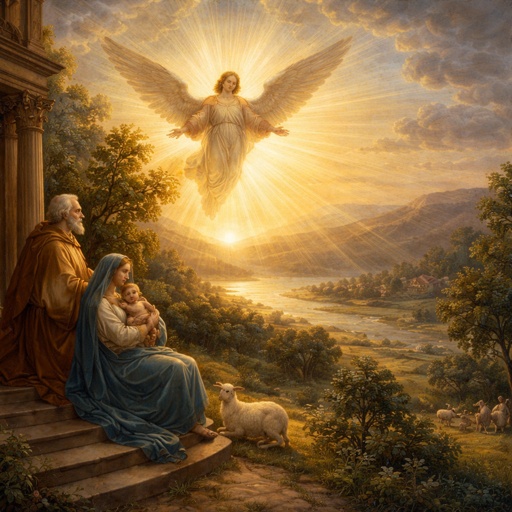
Luke 1:78

Luke 1:13

Luke 1:13