What does Luke 1:76 mean?
"And thou, child, shalt be called the prophet of the Highest: for thou shalt go before the face of the Lord to prepare his ways;" - Luke 1:76
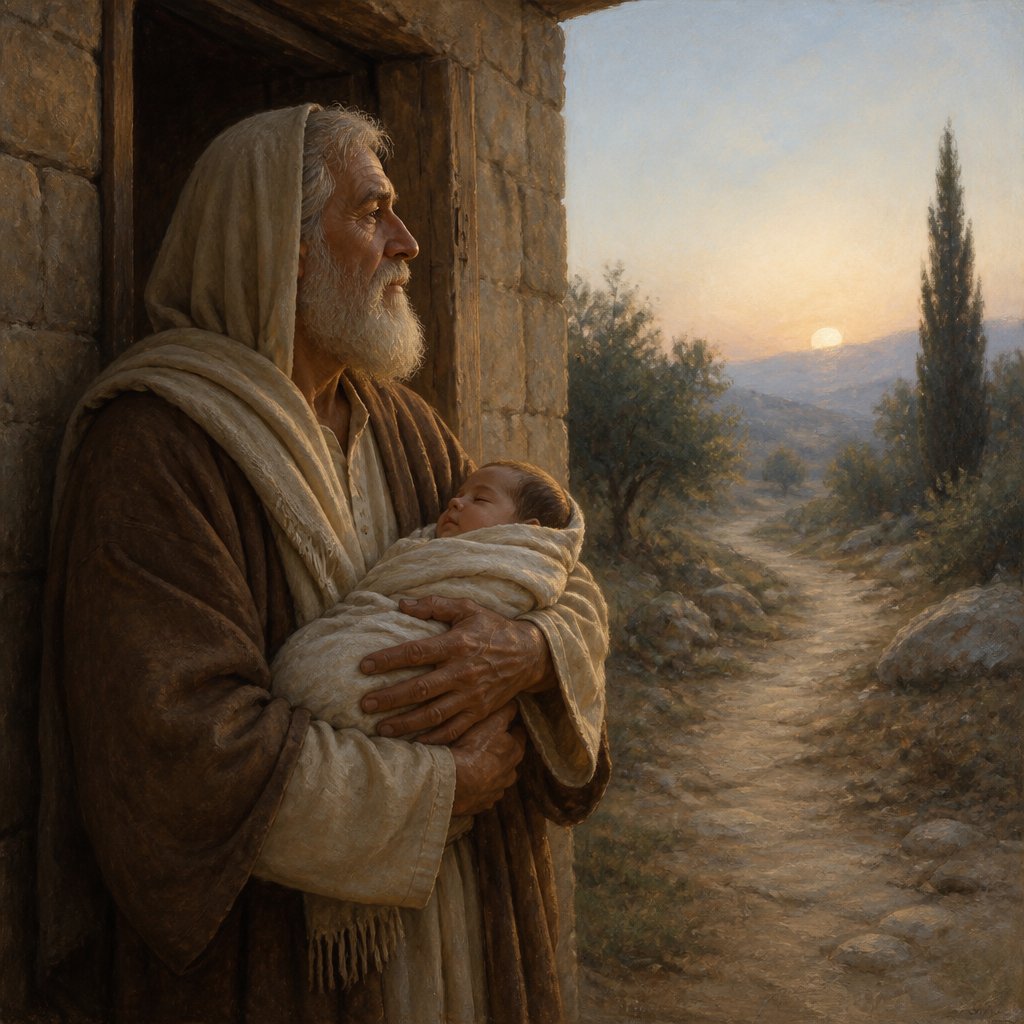
Luke 1:76 (KJV) says, "And thou, child, shalt be called the prophet of the Highest: for thou shalt go before the face of the Lord to prepare his ways." This verse is part of a longer passage in the Gospel of Luke, where a prophecy is spoken by Zechariah, the father of John the Baptist. The prophecy is about his son, John, and the significant role he will play in preparing the way for the coming of the Lord.
The context of this verse is important for understanding its meaning. In the preceding verses, we learn that Zechariah and his wife Elizabeth were elderly and had been unable to conceive a child. However, an angel appeared to Zechariah and announced that Elizabeth would bear a son, who would be named John. This was significant because John was to prepare the way for Jesus, the Messiah, and fulfill the prophecy from the Old Testament book of Isaiah.
In biblical times, a prophet was someone who spoke on behalf of God, delivering messages from Him to His people. The prophet was often seen as a forerunner, preparing the way for something greater to come. In this case, John is being referred to as the prophet of the Highest, or the prophet of God. This is a significant and honorable title, indicating that John would have a special and important role in the unfolding of God's plan for salvation.
The verse also speaks of John going before the face of the Lord to prepare his ways. This imagery is reminiscent of a herald or a messenger who clears the path and makes the way ready for the arrival of a king or a dignitary. In this case, John is the one who will pave the way for the coming of the Lord, signaling His imminent arrival and preparing the hearts of the people to receive Him.
The themes present in this verse include prophecy, preparation, and the coming of the Lord. Throughout the Bible, there are numerous prophecies about the coming of the Messiah, and John's role as the prophet of the Highest is directly related to this theme. John's purpose is to prepare the hearts and minds of the people for the arrival of Jesus, the long-awaited Savior.
Additionally, the verse also carries the theme of obedience and fulfillment of God's promises. Despite their old age and the apparent impossibility of conceiving a child, Zechariah and Elizabeth remained faithful and obedient to God's will, and He fulfilled His promise to them by granting them a son who would play a crucial role in God's plan for redemption.
Symbolism is also present in this verse, as John's role as the prophet of the Highest carries deeper spiritual significance. John's ministry was one of calling people to repentance and preparing them for the coming of the Kingdom of God. His message and his actions foreshadowed the ministry of Jesus, who would also preach repentance and announce the arrival of the Kingdom of God.
In conclusion, Luke 1:76 (KJV) is a powerful and significant verse that foreshadows the arrival of Jesus and highlights the important role that John the Baptist would play in preparing the way for Him. The verse is rich in themes of prophecy, preparation, obedience, and the coming of the Lord, and it carries deep spiritual symbolism that points to the fulfillment of God's promises and the establishment of His Kingdom. It serves as a powerful reminder of the faithfulness of God and His unceasing work to bring about His redemptive plan for humanity.
Have questions about Luke 1:76?
Dive deeper into this scripture with Bible Chat — an AI-powered tool for exploring God's Word through conversation. Ask questions, get context, and grow in your understanding of the Bible.
Get Our Apps


Luke 1:76 Artwork

Luke 1:76 - "And thou, child, shalt be called the prophet of the Highest: for thou shalt go before the face of the Lord to prepare his ways;"
"And thou, child, shalt be called the prophet of the Highest: for thou shalt go before the face of the Lord to prepare his ways;" - Luke 1:76

Psalms 76:1 - "In Judah is God known: his name is great in Israel."

1 Chronicles 6:76 - "And out of the tribe of Naphtali; Kedesh in Galilee with her suburbs, and Hammon with her suburbs, and Kirjathaim with her suburbs."
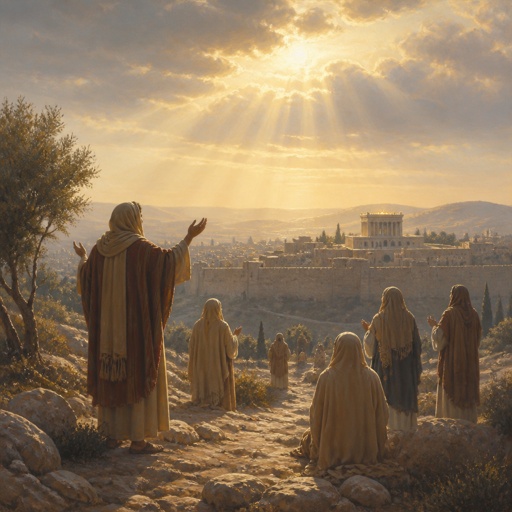
"In Judah is God known: his name is great in Israel." - Psalms 76:1
Psalm 76:1-2 - "In Judah God is known; His name is great in Israel. In Salem also is His tabernacle, and His dwelling place in Zion."
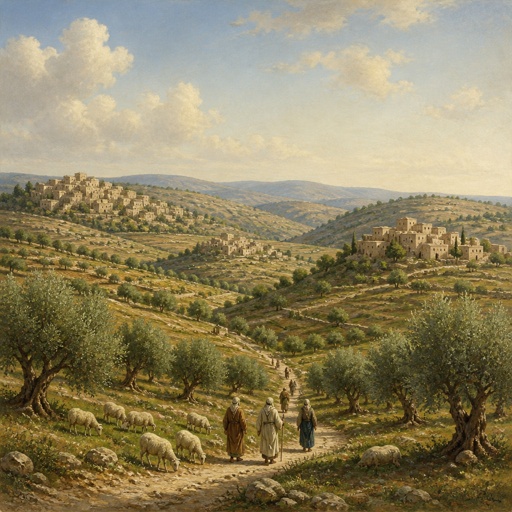
"And out of the tribe of Naphtali; Kedesh in Galilee with her suburbs, and Hammon with her suburbs, and Kirjathaim with her suburbs." - 1 Chronicles 6:76
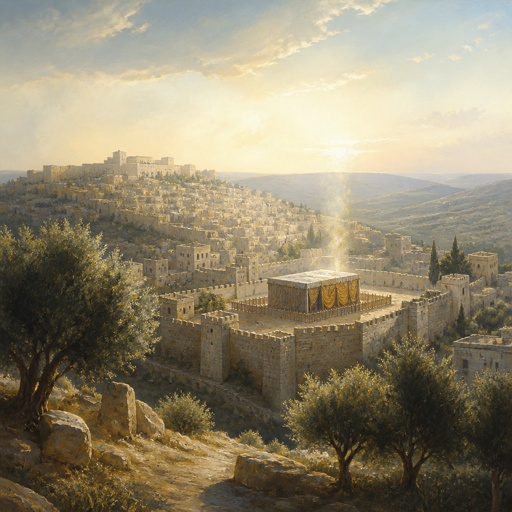
"In Judah God is known; His name is great in Israel. In Salem also is His tabernacle, and His dwelling place in Zion." - Psalm 76:1-2

Luke 1:1

Luke 1:31

Luke 1:26

luke 1:26

Luke 1:13

luke 1:26

luke 1:27

luke 1:29
Luke:1

Luke 2.12

Luke 19:1-10

Luke 2:1-20

Luke 19:1-10

Luke 1:32

Luke 1:32

Luke 1:32

Luke 1:32

Luke 1:32

Luke 1:32

Luke 1:25

Luke 1:30

Luke 1:78