What does Luke 1:73 mean?
"The oath which he sware to our father Abraham," - Luke 1:73

Sure! Here is an in-depth commentary on Luke 1:73 from the King James Version:
The verse in question, Luke 1:73, is part of a passage that comes from the first chapter of the Gospel of Luke. In this passage, Zechariah, the father of John the Baptist, is speaking a prophecy over his son. The verse reads: "The oath which he sware to our father Abraham."
To fully understand the meaning and significance of this verse, it is important to consider the context in which it is set. In the preceding verses, the angel Gabriel appears to Zechariah to announce the miraculous birth of his son, John the Baptist. This announcement is a fulfillment of a prophecy made in the Old Testament, specifically in the book of Malachi, which foretold the coming of a messenger who would prepare the way for the Messiah. Zechariah, who was initially doubtful about the possibility of his wife Elizabeth conceiving a child in her old age, is struck mute by the angel as a sign of his disbelief. Upon the birth of his son, John, Zechariah's speech is restored, and he speaks this prophetic blessing over him.
The verse indicates the fulfillment of an oath or promise made by God to the patriarch Abraham. This reference to Abraham is central to the biblical narrative, as he is considered the father of the nation of Israel and a key figure in Judaism, Christianity, and Islam. Throughout the Old Testament, God made a series of promises to Abraham, including the promise of land, descendants, and blessing. These promises were passed on from generation to generation, and ultimately find their fulfillment in Jesus Christ.
One of the key themes in this verse is the faithfulness of God in fulfilling his promises. Throughout the Bible, God repeatedly demonstrates his faithfulness to his people by fulfilling the promises he has made to them. The oath swore to Abraham was a covenant that God made with him, promising to bless him and make him the father of many nations. This covenant was passed down through the generations and finds its ultimate fulfillment in the person of Jesus Christ, who is the fulfillment of God's promise of a Savior for all nations.
The mentioning of "our father Abraham" also underscores the importance of heritage and lineage in the biblical narrative. The people of Israel traced their lineage back to Abraham and understood themselves to be the recipients of God's promises to him. The mention of Abraham in this verse serves to connect the birth of John the Baptist, and ultimately Jesus Christ, to the broader narrative of salvation history, rooted in God's promises to the patriarchs of old.
In addition to its historical and theological significance, this verse also carries deep symbolic meaning. The reference to the oath sworn to Abraham reminds the reader of the unbreakable nature of God's promises. Just as God remained faithful to his promise to Abraham, so too will he remain faithful to his promises to all who trust in him. This provides a source of hope and encouragement for believers, as they are reminded of the steadfastness of God's character and the certainty of his promises.
In conclusion, Luke 1:73 from the King James Version carries significant theological, historical, and symbolic weight. It serves as a reminder of God's faithfulness in fulfilling his promises, the importance of lineage and heritage in the biblical narrative, and the unbreakable nature of God's covenants. Moreover, it points to the fulfillment of God's promises in the person of Jesus Christ, who is the ultimate fulfillment of the covenant made with Abraham. This verse continues to serve as a source of encouragement and hope for believers, as they are reminded of the unchanging and trustworthy nature of God and his word.
Have questions about Luke 1:73?
Dive deeper into this scripture with Bible Chat — an AI-powered tool for exploring God's Word through conversation. Ask questions, get context, and grow in your understanding of the Bible.
Get Our Apps


Luke 1:73 Artwork

Luke 1:73 - "The oath which he sware to our father Abraham,"

"The oath which he sware to our father Abraham," - Luke 1:73

Luke 1:72-73 - "to show mercy to our ancestors and to remember his holy covenant, the oath he swore to our father Abraham."

Psalm 73:3

Psalm 73:2

Psalm 73:2
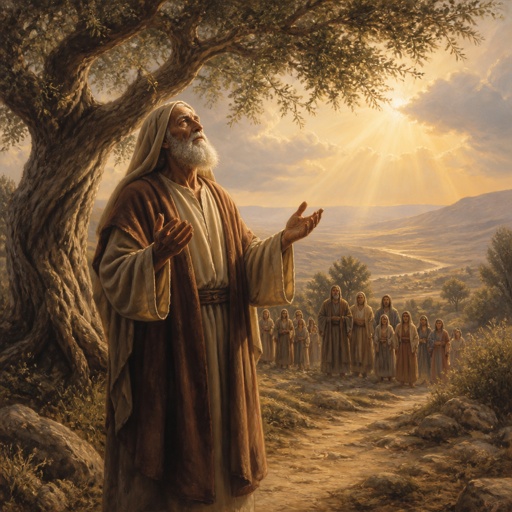
"to show mercy to our ancestors and to remember his holy covenant, the oath he swore to our father Abraham." - Luke 1:72-73

Psalms 73:1 - "Truly God is good to Israel, even to such as are of a clean heart."

1 Chronicles 6:73 - "And Ramoth with her suburbs, and Anem with her suburbs:"

"And Ramoth with her suburbs, and Anem with her suburbs:" - 1 Chronicles 6:73

"Truly God is good to Israel, even to such as are of a clean heart." - Psalms 73:1

Luke 1:1

Luke 1:31

Luke 1:26

luke 1:26

Luke 1:13

luke 1:26

luke 1:27

luke 1:29
Luke:1

Luke 2.12

Luke 2:1-20

Luke 19:1-10

Luke 19:1-10

Luke 1:32

Luke 1:32

Luke 1:32

Luke 1:32

Luke 1:32

Luke 1:32