What does Luke 1:71 mean?
"That we should be saved from our enemies, and from the hand of all that hate us;" - Luke 1:71

Luke 1:71 (KJV) reads, "That we should be saved from our enemies, and from the hand of all that hate us."
This verse is part of a larger passage known as the "Benedictus," which is a song of praise uttered by Zechariah, the father of John the Baptist, upon the birth of his son. The Benedictus is found in the Gospel of Luke, and it is a beautiful hymn of thanksgiving and prophecy focused on God's faithfulness to his people and the coming redemption through the Messiah.
In verse 71, Zechariah expresses the hope and expectation for salvation from their enemies and those who hate them. This can be understood in both a physical and spiritual sense. In a physical sense, the people of Israel had long suffered under oppression from other nations, such as the Romans at the time of Jesus' birth. There was a deep longing for deliverance from these earthly enemies and for the establishment of God's kingdom on earth.
In a spiritual sense, this verse points to the need for deliverance from the power of sin and the spiritual forces of evil. The enemies and those who hate us can be understood as representing the forces that oppose God and seek to harm his people. The hope for salvation from these enemies points to the need for a Savior who can rescue us from the bondage of sin and reconcile us to God.
This verse thus speaks to a universal human experience—the yearning for deliverance and freedom from the things that hold us captive and threaten our well-being. It resonates with the deep longing for justice, peace, and restoration that is common to all people, regardless of their specific circumstances.
The context of this verse within the Benedictus is important for understanding its full significance. The Benedictus is filled with Messianic imagery and references to the fulfillment of God's promises. It is a powerful declaration of God's faithfulness and the fulfillment of his covenant with his people. Zechariah prophesies about the coming of the Messiah, who will bring salvation, forgiveness of sins, and guidance into the way of peace.
In verse 71, Zechariah is expressing the hope and expectation that the Messiah will bring about deliverance and rescue from all forms of oppression, whether physical or spiritual. This hope is deeply rooted in the Old Testament prophetic tradition, which foresaw the coming of a deliverer who would set the world right and establish God's kingdom.
Symbolically, this verse points to the universal human longing for rescue and redemption. It speaks to the deep desire for liberation from all that enslaves and oppresses, whether it be sin, suffering, injustice, or persecution. In this sense, it resonates with the fundamental human yearning for ultimate meaning, purpose, and restoration.
Furthermore, this verse also reveals a key aspect of the nature of God—that he is a God of salvation and deliverance. Throughout the Bible, God is depicted as the one who rescues his people from their enemies, protects them from harm, and brings them into a place of safety and abundance. This verse is a powerful affirmation of God's identity as the ultimate source of hope and salvation.
In conclusion, Luke 1:71 is a rich and profound verse that encapsulates the universal human longing for deliverance and freedom. It points to the deep need for salvation, whether physical or spiritual, and expresses the hope and expectation that God will come to our rescue. As part of the Benedictus, it is a powerful declaration of God's faithfulness and the fulfillment of his promises through the coming of the Messiah. This verse speaks to the fundamental human yearning for ultimate meaning, purpose, and restoration, and it affirms the nature of God as the ultimate source of hope and salvation.
Have questions about Luke 1:71?
Dive deeper into this scripture with Bible Chat — an AI-powered tool for exploring God's Word through conversation. Ask questions, get context, and grow in your understanding of the Bible.
Get Our Apps


Luke 1:71 Artwork

Luke 1:71 - "That we should be saved from our enemies, and from the hand of all that hate us;"

"That we should be saved from our enemies, and from the hand of all that hate us;" - Luke 1:71

Luke 22:71 - "And they said, What need we any further witness? for we ourselves have heard of his own mouth."

Psalms 71:1 - "In thee, O LORD, do I put my trust: let me never be put to confusion."
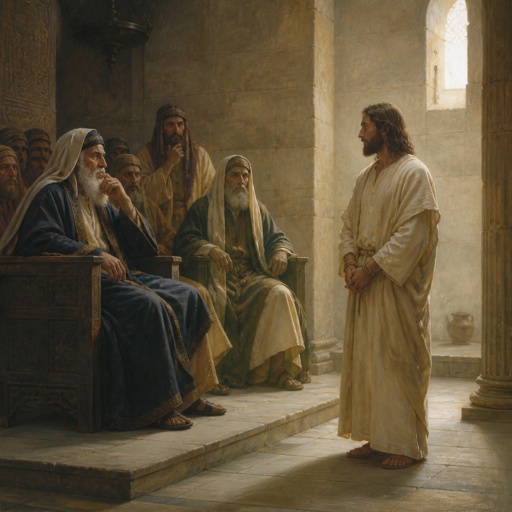
"And they said, What need we any further witness? for we ourselves have heard of his own mouth." - Luke 22:71

1 Chronicles 6:71 - "Unto the sons of Gershom were given out of the family of the half tribe of Manasseh, Golan in Bashan with her suburbs, and Ashtaroth with her suburbs:"

"In thee, O LORD, do I put my trust: let me never be put to confusion." - Psalms 71:1

"Unto the sons of Gershom were given out of the family of the half tribe of Manasseh, Golan in Bashan with her suburbs, and Ashtaroth with her suburbs:" - 1 Chronicles 6:71

Psalm 71:1-3 - "In you, Lord, I have taken refuge; let me never be put to shame. In your righteousness, rescue me and deliver me; turn your ear to me and save me. Be my rock of refuge, to which I can always go; give the command to save me, for you are my rock and my fortress."

Luke 1:1

Luke 1:31

Luke 1:26

luke 1:26

Luke 1:13

luke 1:26

luke 1:27

luke 1:29
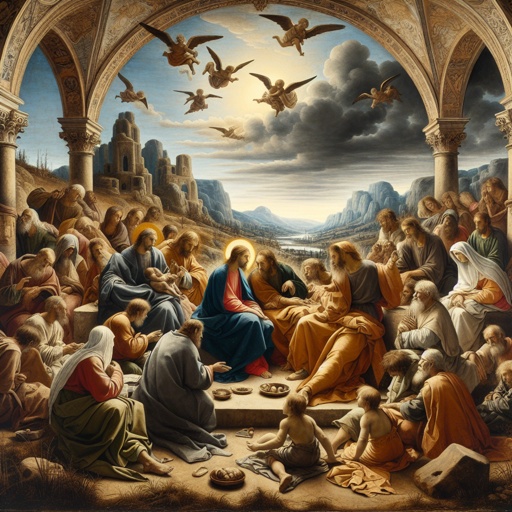
Luke:1

Luke 2.12

Luke 19:1-10

Luke 2:1-20

Luke 19:1-10

Luke 1:32

Luke 1:32

Luke 1:32

Luke 1:32

Luke 1:32

Luke 1:32

Luke 1:25

Luke 1:30