What does Luke 1:22 mean?
"And when he came out, he could not speak unto them: and they perceived that he had seen a vision in the temple: for he beckoned unto them, and remained speechless." - Luke 1:22
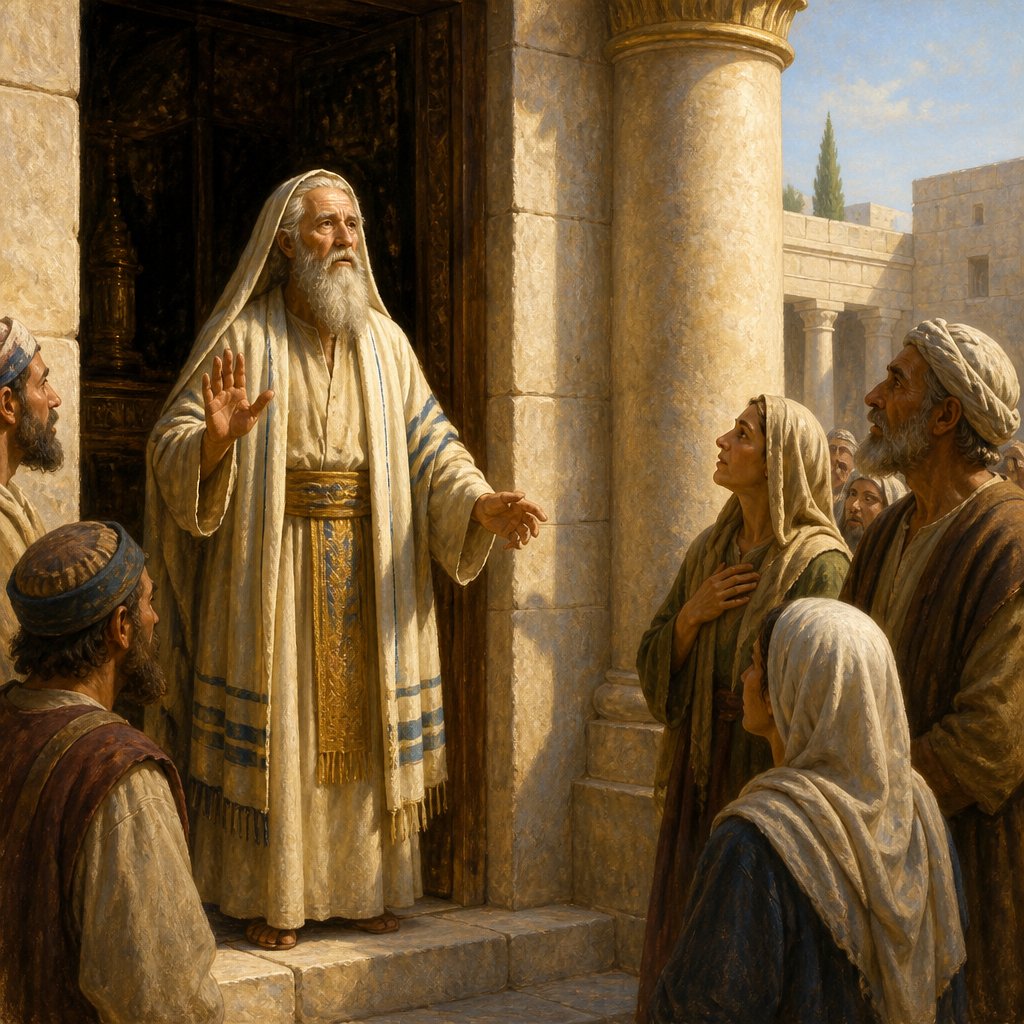
Luke 1:22 (KJV): "And when he came out, he could not speak unto them: and they perceived that he had seen a vision in the temple: for he beckoned unto them, and remained speechless."
Context:
The Gospel of Luke, written by the author Luke, is one of the four Gospels in the New Testament of the Bible. It is a detailed account of the life, ministry, death, and resurrection of Jesus Christ. The verse Luke 1:22 takes place within the first chapter of the book, as part of the narrative surrounding the birth of John the Baptist.
In the preceding verses, the angel Gabriel appeared to Zechariah, a priest, while he was performing his priestly duties in the temple. Gabriel informed Zechariah that he and his wife Elizabeth would conceive a son, who would become John the Baptist. However, Zechariah doubted the possibility of his elderly wife bearing a child, and as a result, he was struck speechless by the angel as a sign of his disbelief.
In verse 22, we see Zechariah emerging from his priestly duties in the temple, unable to speak. The people who were waiting outside the temple realized that he had experienced a divine vision, as he was unable to communicate with them verbally.
Meaning:
The verse Luke 1:22 carries several layers of meaning that can be understood through its themes, context, and symbolism.
1. Obedience and Trust in God:
Zechariah's temporary speechlessness serves as a reminder of the consequences of doubt and disbelief. By doubting the angel's message, Zechariah displayed a lack of trust in God’s ability to fulfill His promises. As a result, he was rendered speechless as a consequence of his disbelief. This emphasizes the importance of obedience and trust in God's plan, even when it seems impossible from a human perspective. It serves as a lesson for believers to have faith in God's promises, even when they may seem unlikely or unbelievable.
2. Divine Communication:
The inability of Zechariah to speak following his encounter with the angel Gabriel highlights the supernatural nature of divine communication. In a world where communication is often defined by speech, this serves as a powerful symbol of the mysterious and otherworldly nature of God's interventions in human affairs. It reminds believers that God's ways are beyond human understanding, and His communication may manifest in unexpected and unconventional ways.
3. Recognition of the Divine:
The reaction of the people waiting outside the temple demonstrates their recognition of the divine nature of Zechariah's experience. They perceived that he had seen a vision, acknowledging the significance of the encounter and the special role that Zechariah was meant to play in God's plan. This emphasizes the importance of discerning and acknowledging the presence of the divine in our lives, as well as in the lives of others.
4. The Fulfillment of Prophecy:
The temporary speechlessness of Zechariah also serves as a fulfillment of the prophecy that was given to him by the angel. It is a physical manifestation of the consequences of his doubt, and a demonstration of the authority and truth of the angel's message. This further reinforces the idea that God's word is certain and will be fulfilled, regardless of human doubt or skepticism.
In conclusion, Luke 1:22 provides a rich and profound insight into the themes of obedience, trust, divine communication, and the recognition of the divine. It serves as a reminder for believers to have faith in God's promises, to discern His presence in their lives, and to recognize the fulfillment of His prophecies. Despite its seemingly simple and straightforward nature, this verse holds deep spiritual and moral implications that continue to resonate with believers today.
Have questions about Luke 1:22?
Dive deeper into this scripture with Bible Chat — an AI-powered tool for exploring God's Word through conversation. Ask questions, get context, and grow in your understanding of the Bible.
Get Our Apps


Luke 1:22 Artwork
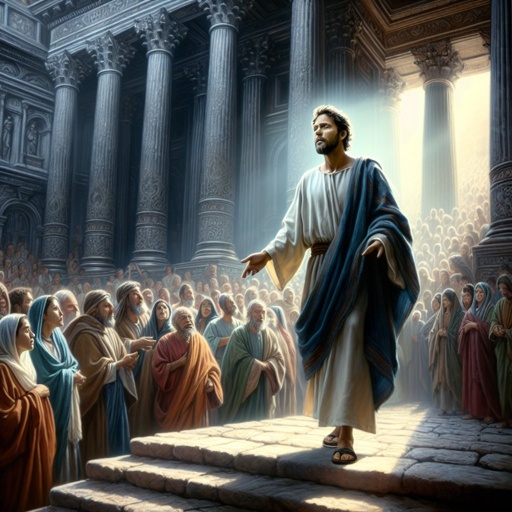
Luke 1:22 - "And when he came out, he could not speak unto them: and they perceived that he had seen a vision in the temple: for he beckoned unto them, and remained speechless."
"And when he came out, he could not speak unto them: and they perceived that he had seen a vision in the temple: for he beckoned unto them, and remained speechless." - Luke 1:22

Luke 22:1 - "Now the feast of unleavened bread drew nigh, which is called the Passover."
Luke 2:22, which features a Middle Eastern mother holding a Middle Eastern baby boy.

luke 22:42

Luke 22:39

Luke 22:61,62

Luke 22:39

luke 22 44
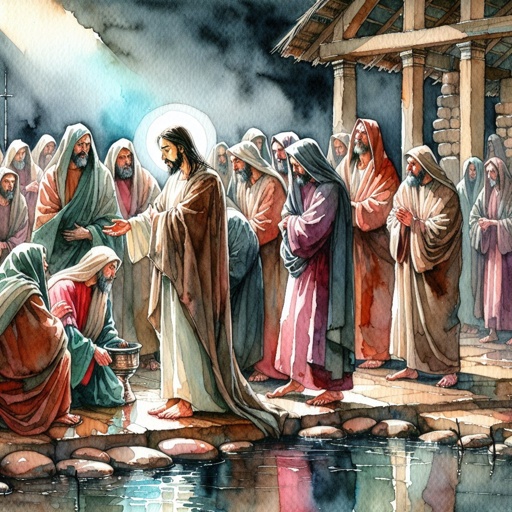
luke 22:42

Luke 22:42
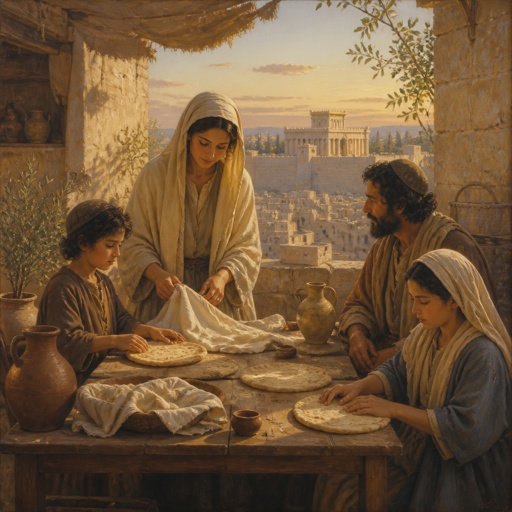
"Now the feast of unleavened bread drew nigh, which is called the Passover." - Luke 22:1

Luke 16:22-26

Luke 22:62 - "And Peter went out, and wept bitterly."

Luke 20:22 - "Is it lawful for us to give tribute unto Caesar, or no?"

Luke 22:5 - "And they were glad, and covenanted to give him money."

Luke 22:28 - "Ye are they which have continued with me in my temptations."

Luke 22:65 - "And many other things blasphemously spake they against him."

Luke 22:63 - "¶ And the men that held Jesus mocked him, and smote him."

Luke 22:31-32 - "Luke 22:31-32: And the Lord said, Simon, Simon, behold, Satan hath desired to have you, that he may sift you as wheat: But I have prayed for thee, that thy faith fail not: and when thou art converted, strengthen thy brethren."

Luke 22:21 - "¶ But, behold, the hand of him that betrayeth me is with me on the table."
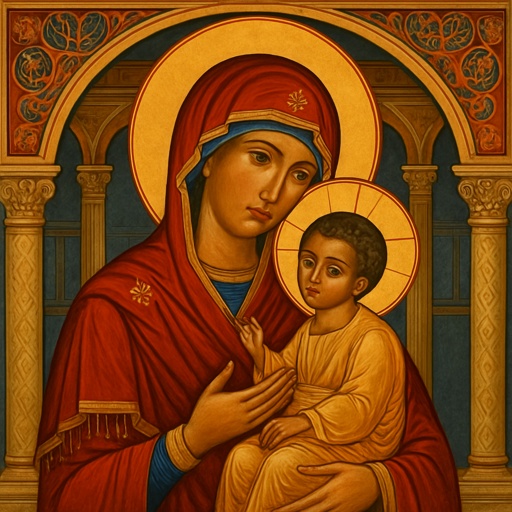
Luke 2:22, which features Mary with Middle Eastern mother holding Jesus a Middle Eastern baby boy inside a first century temple.

Luke 22:43 - "And there appeared an angel unto him from heaven, strengthening him."

Luke 22:3 - "¶ Then entered Satan into Judas surnamed Iscariot, being of the number of the twelve."

Luke 22:57 - "And he denied him, saying, Woman, I know him not."

Luke 22:7 - "¶ Then came the day of unleavened bread, when the passover must be killed."

Luke 21:22 - "For these be the days of vengeance, that all things which are written may be fulfilled."

Luke 22:9 - "And they said unto him, Where wilt thou that we prepare?"
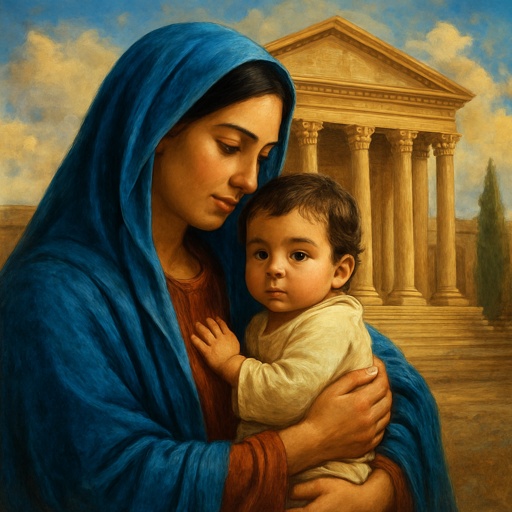
Luke 2:22, which features Mary with Middle Eastern mother holding Jesus a Middle Eastern baby boy in front of a first century temple.
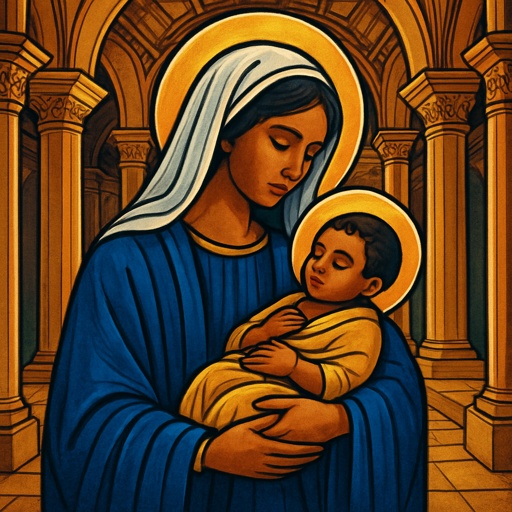
Luke 2:22, which features Mary with Middle Eastern mother holding Jesus a Middle Eastern baby boy inside a first century temple.