What does Luke 1:19 mean?
"And the angel answering said unto him, I am Gabriel, that stand in the presence of God; and am sent to speak unto thee, and to shew thee these glad tidings." - Luke 1:19

Luke 1:19 (KJV) states, "And the angel answering said unto him, I am Gabriel, that stand in the presence of God, and am sent to speak unto thee, and to shew thee these glad tidings."
This verse occurs within the context of the annunciation of the birth of John the Baptist. The angel Gabriel had appeared to Zacharias, a priest, to tell him that his wife, Elizabeth, would conceive and bear a son. This son would be John the Baptist, who would prepare the way for the Lord. In response to Zacharias' disbelief, the angel Gabriel introduces himself and reaffirms the divine nature of his mission.
This verse carries several important themes and messages that are integral to Christian faith and the narrative of the birth of Jesus Christ. The first theme is the divine order and hierarchy. Gabriel's introduction of himself as one who "stands in the presence of God" underscores the hierarchy within the heavenly realm. This emphasizes the idea of divine authority and the role of angels as messengers of God. Gabriel's presence and mission are sanctioned by God, and his message to Zacharias is therefore imbued with divine authority.
Another important theme in this verse is the significance of communication between the divine and human realms. The fact that Gabriel is "sent to speak" to Zacharias underscores the importance of divine communication in the unfolding of God's plan for humanity. The concept of divine revelation is central to the Christian faith, and this verse highlights the role of angels as messengers who bring divine messages to humanity. In this case, Gabriel brings glad tidings of the birth of John the Baptist, a pivotal moment in the fulfillment of God's plan for salvation.
Furthermore, this verse also reflects the idea of God's faithfulness and the fulfillment of his promises. The arrival of John the Baptist as the forerunner of Christ was a fulfillment of God's promises to the Jewish people. This verse serves as a reminder of God's faithfulness in keeping his promises and fulfilling his plans for the salvation of humanity.
Symbolism also plays a significant role in this verse. The appearance of the angel Gabriel holds symbolic meaning in Christian tradition. Gabriel is often seen as a symbol of divine revelation and messenger of God's will. His presence in the annunciation of John the Baptist and later in the announcement of the birth of Jesus to Mary highlights the significance of his role as a herald of important events in the Christian narrative.
In conclusion, Luke 1:19 (KJV) holds profound theological and spiritual significance within the context of the annunciation of John the Baptist. It conveys themes of divine hierarchy, communication between the divine and human realms, God's faithfulness, and the symbolic role of the angel Gabriel. This verse serves as a reminder of the overarching presence of God in fulfilling his divine plan for humanity and the pivotal role of divine messengers in communicating God's will to humanity. It also reinforces the core Christian belief in the divine revelation and the fulfillment of God's promises through the birth of John the Baptist. As such, this verse continues to be a source of inspiration and faith for believers in the Christian tradition.
Have questions about Luke 1:19?
Dive deeper into this scripture with Bible Chat — an AI-powered tool for exploring God's Word through conversation. Ask questions, get context, and grow in your understanding of the Bible.
Get Our Apps


Luke 1:19 Artwork

Luke 1:19
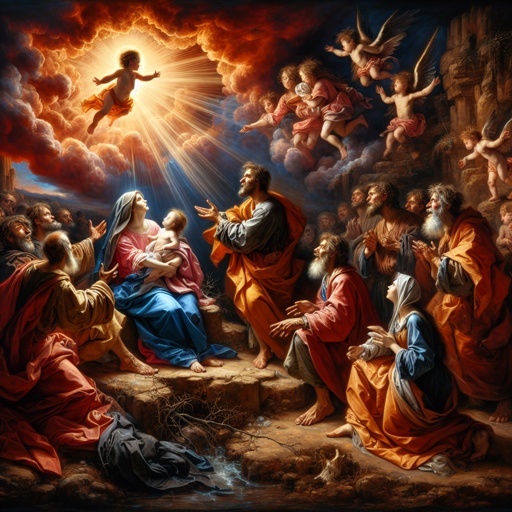
Luke 1:19

Luke 1:19

Luke 1:19 - "And the angel answering said unto him, I am Gabriel, that stand in the presence of God; and am sent to speak unto thee, and to shew thee these glad tidings."

"And the angel answering said unto him, I am Gabriel, that stand in the presence of God; and am sent to speak unto thee, and to shew thee these glad tidings." - Luke 1:19

Luke 19:1-10

Luke 19:1-10

luke 21:5-19

Luke 21:15-19

Luke 19:1 - "And Jesus entered and passed through Jericho."

luke 21:5-19 with all people of color

luke 21:5-19 with all people of color

luke 21:5-19 with all people of color

"And Jesus entered and passed through Jericho." - Luke 19:1

Luke 1:9 - "According to the custom of the priest's office, his lot was to burn incense when he went into the temple of the Lord."

Luke 10:18-19

Luke 13:18-19

Luke 10:18-19

Luke 10:18-19

Luke 13:18-19

Luke 10:17-19

Luke 10:18-19

Luke 10:18-19

Luke 10:18-19

Luke 10:17-19

Luke 19:23

Luke 19:23

Luke 19:19 - "And he said likewise to him, Be thou also over five cities."

Luke 19:10

Luke 19:28