What does Luke 1:12 mean?
"And when Zacharias saw him, he was troubled, and fear fell upon him." - Luke 1:12
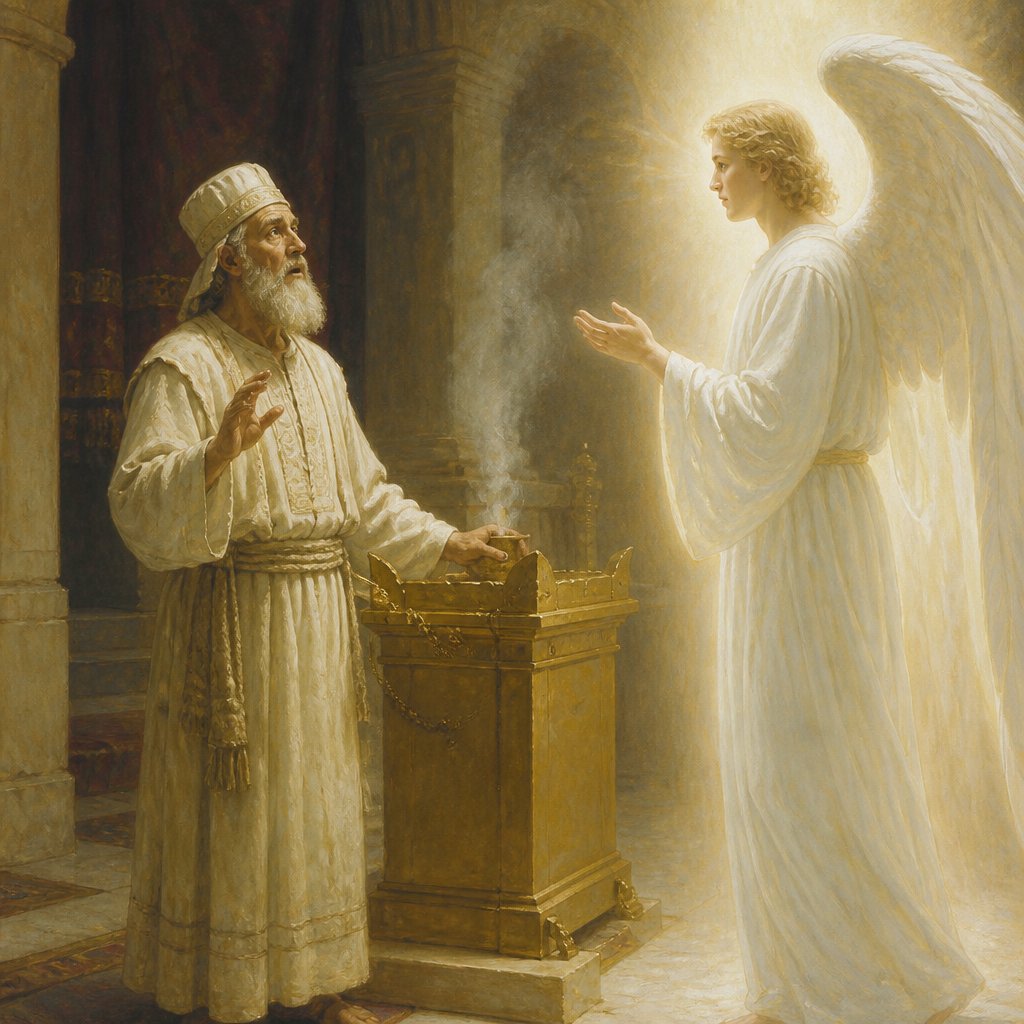
Luke 1:12 in the King James Version of the Bible states, "And when Zacharias saw him, he was troubled, and fear fell upon him."
This verse is part of the opening narrative of the Gospel of Luke, which tells the story of the birth of John the Baptist and Jesus Christ. In this particular verse, we see the reaction of Zacharias, the father of John the Baptist, when he sees an angel of the Lord standing in the temple.
The verse begins with the phrase, "And when Zacharias saw him," indicating that Zacharias has just come face to face with the angel of the Lord. The fact that he "saw him" implies that the angel appeared in a visible and tangible form, rather than just as a voice or a vision. This sets the stage for the miraculous nature of the encounter and prepares the reader for the extraordinary events that are about to unfold.
The verse goes on to say that Zacharias was "troubled, and fear fell upon him." The use of the word "troubled" here suggests that Zacharias was deeply disturbed or agitated by the sight of the angel. His reaction is one of fear and awe, indicating that he understands the significance of the supernatural visitation and is overwhelmed by the presence of God's messenger. This response is entirely understandable given the widespread belief in the ancient world that encountering an angel was a rare and terrifying experience.
The context of this verse is important for understanding its significance. At the time when Zacharias encountered the angel, he and his wife Elizabeth were advanced in years and had been unable to have children. Despite their prayers, they remained childless, leading them to feel a sense of disappointment and sorrow. In the midst of this, the angel appears to Zacharias to announce that his prayers have been heard and that he and Elizabeth will conceive a son, who will be named John and will go on to prepare the people for the coming of the Lord. This miraculous intervention in their lives serves as a powerful demonstration of God's ability to work wonders and fulfill His promises, even in the most unlikely and improbable circumstances.
The verse also contains a significant amount of symbolism. The appearance of the angel in the temple is symbolic of the divine presence and the fulfillment of God's plan for the salvation of humanity. The temple was the holiest place in Judaism, and the fact that the angel appears there underscores the sacred nature of the message being delivered. Additionally, the fear and trouble that Zacharias experiences can be seen as symbolic of the overwhelming nature of encountering the divine. The angel's visitation serves as a reminder of the awesome and mysterious power of God, and the fear it inspires reflects the deep reverence and respect that people have for the divine.
The theme of divine intervention and fulfillment of God's promises is central to this verse. The fact that Zacharias and Elizabeth, who were advanced in years and had been unable to conceive, are told that they will have a son underscores the theme of God's ability to bring about the seemingly impossible. This theme is echoed throughout the Bible, particularly in the stories of Abraham and Sarah, and serves as a testament to the faithfulness and power of God.
In conclusion, Luke 1:12 is a pivotal verse in the Gospel of Luke that captures the awe and fear of the supernatural encounter between Zacharias and the angel. The verse serves as a powerful reminder of the mysterious and wondrous nature of the divine, as well as the capacity of God to fulfill His promises and work miracles in the lives of His people.
Have questions about Luke 1:12?
Dive deeper into this scripture with Bible Chat — an AI-powered tool for exploring God's Word through conversation. Ask questions, get context, and grow in your understanding of the Bible.
Get Our Apps


Luke 1:12 Artwork

Luke 1:12 - "And when Zacharias saw him, he was troubled, and fear fell upon him."
"And when Zacharias saw him, he was troubled, and fear fell upon him." - Luke 1:12

Luke 1:11-12

Luke 1:11-12

Luke 1:11-12

Luke 1:11-12
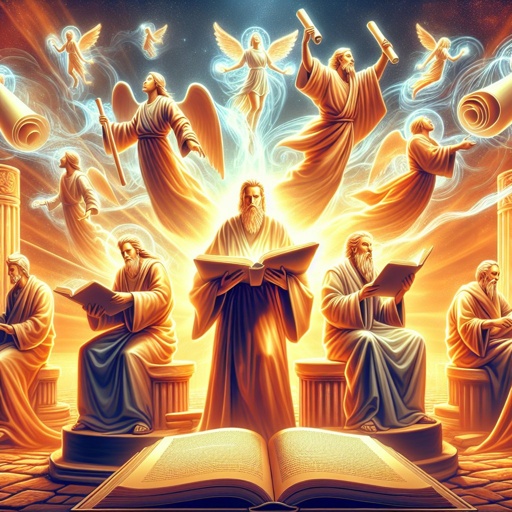
Luke 1:2 - "Even as they delivered them unto us, which from the beginning were eyewitnesses, and ministers of the word;"

Luke 12:25
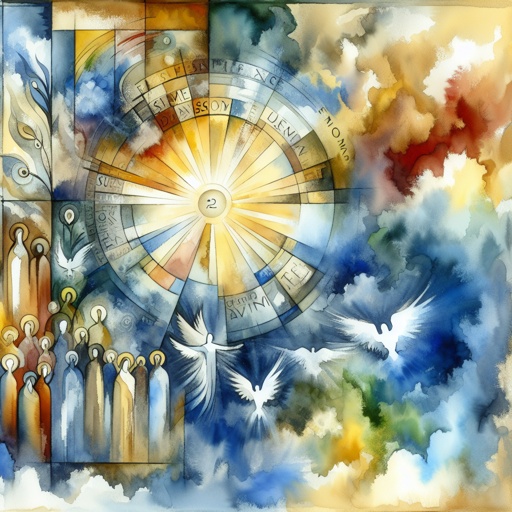
Luke 12:25

Luke 12: 49

Luke 12:34

Luke 12:10

Luke 12:50

Hosea 1:2-11;2:14;3:5

Luke 12:12 - "For the Holy Ghost shall teach you in the same hour what ye ought to say."
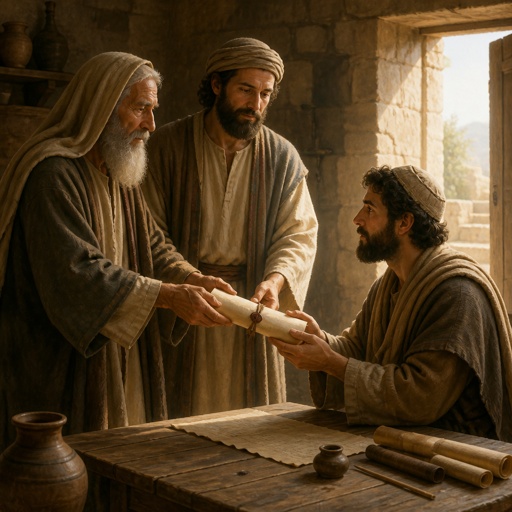
"Even as they delivered them unto us, which from the beginning were eyewitnesses, and ministers of the word;" - Luke 1:2

Matthew 2:1-12

Luke 12:25-26

Luke 12:25-26

Luke 12:25-26

Luke 12:25-26
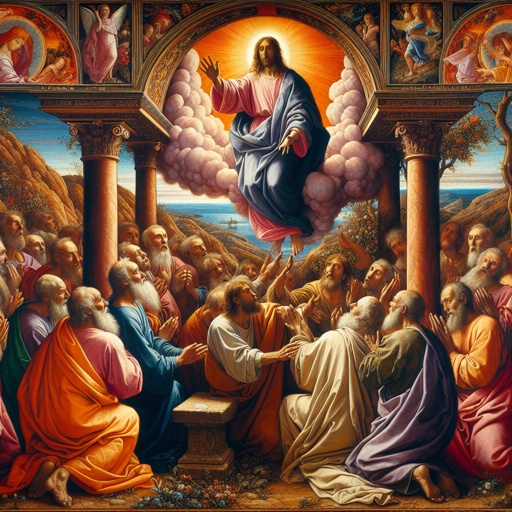
Luke 12:25-26

Luke 12:25-26

Luke 12:25-26

Luke 12:34 - "For where your treasure is, there will your heart be also."

Luke 12:1 - "In the mean time, when there were gathered together an innumerable multitude of people, insomuch that they trode one upon another, he began to say unto his disciples first of all, Beware ye of the leaven of the Pharisees, which is hypocrisy."
![Luke 12:1 WEBUS
[1] Meanwhile, when a multitude of many thousands had gathered together, so much so that they trampled on each other, he began to tell his disciples first of all, “Beware of the yeast of the Pharisees, which is hypocrisy."](https://media.bible.art/161e4e36-c493-4487-b3e8-8e5fc4df9ca3-thumbnail.jpg)
Luke 12:1 WEBUS [1] Meanwhile, when a multitude of many thousands had gathered together, so much so that they trampled on each other, he began to tell his disciples first of all, “Beware of the yeast of the Pharisees, which is hypocrisy."

Luke 12:23 - "The life is more than meat, and the body is more than raiment."

Luke 12:57 - "Yea, and why even of yourselves judge ye not what is right?"

Luke 12:35 - "Let your loins be girded about, and your lights burning;"