What does Luke 19:23 mean?
"Wherefore then gavest not thou my money into the bank, that at my coming I might have required mine own with usury?" - Luke 19:23

The Bible verse Luke 19:23, as it appears in the King James Version (KJV), states, "Wherefore then gavest not thou my money into the bank, that at my coming I might have required mine own with usury?" To truly understand the meaning and significance of this verse, it is important to consider its context within the larger narrative of the Bible and the specific teachings of Jesus Christ.
The verse comes from the Parable of the Ten Minas, which is found in the Gospel of Luke. In this parable, Jesus tells the story of a nobleman who goes on a journey and leaves his servants with ten minas (a type of currency) each. When the nobleman returns, he assesses what each servant has done with the money he entrusted to them. The servant in the verse is being questioned by the nobleman because he did not invest or put the money to use, unlike the other servants who had multiplied their minas through astute business dealings.
One of the key themes in this parable is stewardship. The nobleman, who represents Jesus in the story, emphasizes the importance of using the resources and gifts we have been given for productive and beneficial purposes. The failure of the servant to invest the money in the bank and generate interest reflects a lack of stewardship and wise use of the resources entrusted to him. This underscores the broader Biblical principle that followers of Jesus are called to be good stewards of the blessings and opportunities they have received.
Another important theme in this verse is accountability. The nobleman holds each of his servants accountable for their actions, expecting them to have utilized the minas wisely during his absence. This concept aligns with the Biblical teaching that individuals will be held accountable for their actions and the ways in which they have utilized the gifts and resources they have been given. It reinforces the idea that we are responsible for the choices we make and the ways in which we invest the blessings we have received from God.
The concept of usury, or interest, also plays a significant role in this verse. In Biblical times, the charging of interest on loans was a common practice in the financial world. The nobleman's expectation that the servant should have put the money in the bank to yield interest reflects the notion of responsible financial stewardship. It also invites deeper reflection on the ethical considerations surrounding wealth management and the appropriate use of financial resources.
From a symbolic perspective, the Parable of the Ten Minas can be interpreted as representing the Kingdom of God and the responsibilities that come with being a part of it. The nobleman's journey can symbolize Jesus' ascension to heaven, and his return represents the second coming of Christ. The minas can be seen as the various gifts, resources, and opportunities that God has entrusted to his followers, and the servants represent individuals who have been called to utilize these gifts for the advancement of God's kingdom.
In applying this verse to contemporary life, believers are reminded of the importance of wise and strategic stewardship in all areas of life. This includes financial resources, but also extends to talents, time, and relationships. The verse encourages reflection on the ways in which we are utilizing the blessings we have received and challenges us to consider how we can invest them for the greater good and the advancement of God's kingdom.
In conclusion, Luke 19:23 from the King James Version holds profound significance within the broader context of the Parable of the Ten Minas. It conveys timeless truths about the principles of stewardship, accountability, and wise use of resources. It offers a compelling reminder to believers of their responsibility to utilize their God-given gifts and blessings in a manner that honors God and furthers His kingdom.
Have questions about Luke 19:23?
Dive deeper into this scripture with Bible Chat — an AI-powered tool for exploring God's Word through conversation. Ask questions, get context, and grow in your understanding of the Bible.
Get Our Apps


Luke 19:23 Artwork

Luke 19:23

Luke 19:23

Luke 19:23 - "Wherefore then gavest not thou my money into the bank, that at my coming I might have required mine own with usury?"

"Wherefore then gavest not thou my money into the bank, that at my coming I might have required mine own with usury?" - Luke 19:23

Luke 23:19 - "(Who for a certain sedition made in the city, and for murder, was cast into prison.)"

"(Who for a certain sedition made in the city, and for murder, was cast into prison.)" - Luke 23:19

Luke 23:53

luke 11:23

Luke 10:18-19

Luke 13:18-19

Luke 10:18-19

Luke 10:18-19

Luke 13:18-19

Luke 10:17-19

luke 11:23
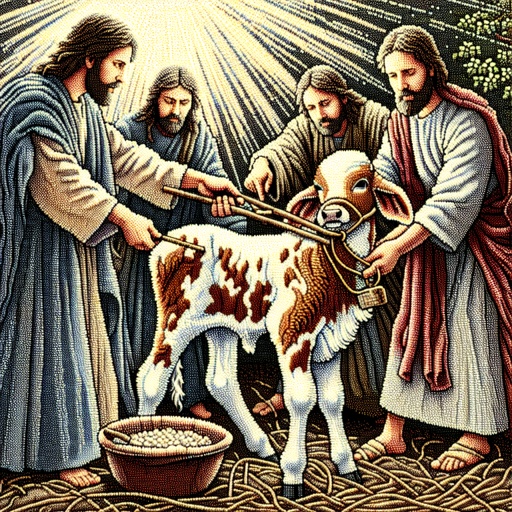
Luke 15:23

luke 11:23

luke 11:23

Luke 10:18-19

Luke 10:18-19

Luke 10:18-19

Luke 10:17-19

Genesis 23-19

Luke 1:19

Luke 19:19 - "And he said likewise to him, Be thou also over five cities."

Luke 19:10
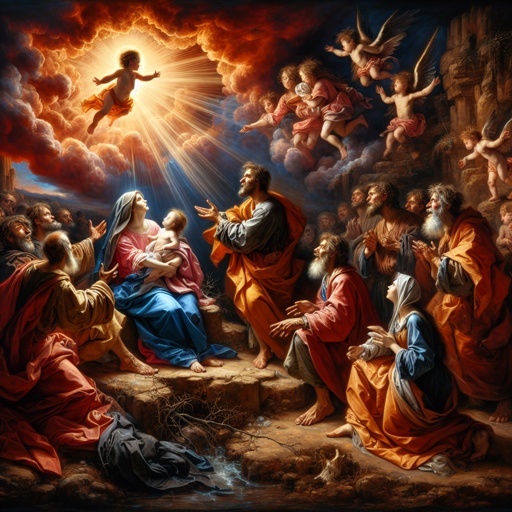
Luke 1:19

Luke 19:28

Luke 1:19

Genesis 19-23