What does Luke 19:21 mean?
"For I feared thee, because thou art an austere man: thou takest up that thou layedst not down, and reapest that thou didst not sow." - Luke 19:21
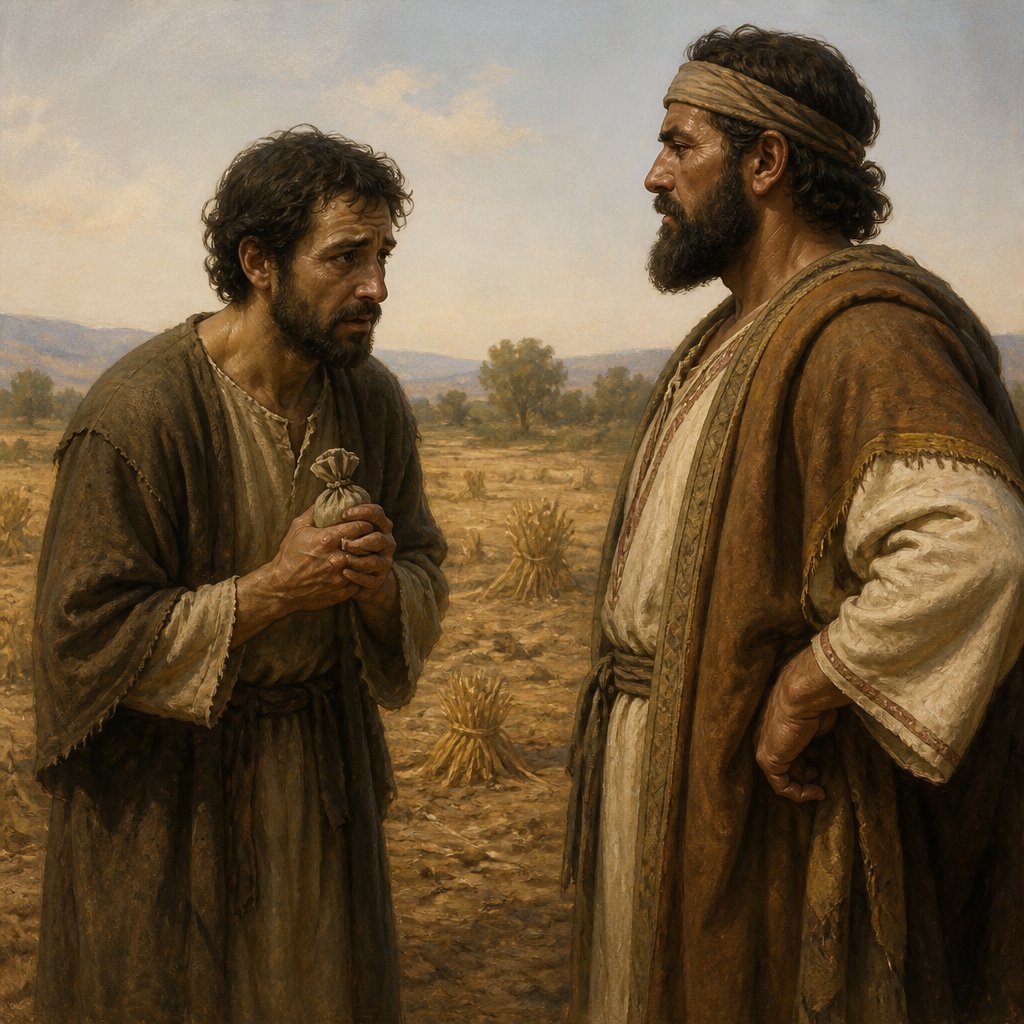
The Bible verse Luke 19:21 in the King James Version (KJV) reads, "For I feared thee, because thou art an austere man: thou takest up that thou layedst not down, and reapest that thou didst not sow." This verse is found in the context of the parable of the ten minas, and it is spoken by one of the servants in the parable. To truly understand the meaning and commentary of this verse, it is essential to examine it within the context of the entire parable and consider the themes and symbolism present in this passage.
The parable of the ten minas found in Luke 19:11-27 is told by Jesus as he journeys towards Jerusalem. In this parable, a nobleman goes to a distant country to be appointed king and entrusts ten of his servants with minas, which is a unit of currency. Upon his return, he calls these servants to see how much they have gained with the minas they were given. The one in this verse who utters these words is one of the servants who received one mina. Instead of investing it, he kept it wrapped in a cloth. When the nobleman returns, the servant returns the mina unchanged, and his reasoning for doing so is expressed in this verse: "For I feared thee, because thou art an austere man: thou takest up that thou layedst not down, and reapest that thou didst not sow."
The verse shows the servant's fear of the nobleman, whom he perceives as a harsh and unforgiving master. The servant's fear led him to inaction and lack of responsibility with the mina he was given. This verse highlights the importance of stewardship and faithfulness in carrying out the tasks and responsibilities entrusted to us by God.
The theme of stewardship is central to this parable and this verse. The parable illustrates the importance of using the gifts, talents, and resources that God has given us for His kingdom. The nobleman represents Jesus, who has entrusted each believer with gifts and responsibilities. The servants represent the believers, and their use of the minas symbolizes their faithfulness in using their God-given resources for the advancement of the kingdom of God.
The attitude of the servant in Luke 19:21 also reveals a misunderstanding of the character of the nobleman. The servant's fear and perception of the master as austere and demanding led him to act out of fear instead of faith. This misunderstanding reflects the lack of faith on the part of the servant and serves as a reminder to have a proper understanding of God's character. This verse challenges believers to have a correct understanding of who God is and to trust in His goodness and faithfulness, instead of being driven by fear and mistrust.
The symbolism present in this verse illuminates the concept of spiritual stewardship and the importance of faithfulness in serving God. The minas represent the resources, abilities, and opportunities that God has given to each of His children. The nobleman represents Jesus, and the return of the nobleman symbolizes the second coming of Christ, where believers will be held accountable for how they have used their resources and opportunities for the kingdom of God.
In conclusion, Luke 19:21 in the KJV illuminates the themes of stewardship, faithfulness, and understanding the character of God. It serves as a reminder to believers to use their God-given resources for the advancement of His kingdom with faith and diligence. It also challenges us to have a right understanding of God's character and to act based on faith and trust in Him, rather than out of fear and misunderstanding. This verse is a powerful reminder of the importance of spiritual stewardship and the need to be faithful in using the resources and opportunities that God has given to us.
Have questions about Luke 19:21?
Dive deeper into this scripture with Bible Chat — an AI-powered tool for exploring God's Word through conversation. Ask questions, get context, and grow in your understanding of the Bible.
Get Our Apps


Luke 19:21 Artwork
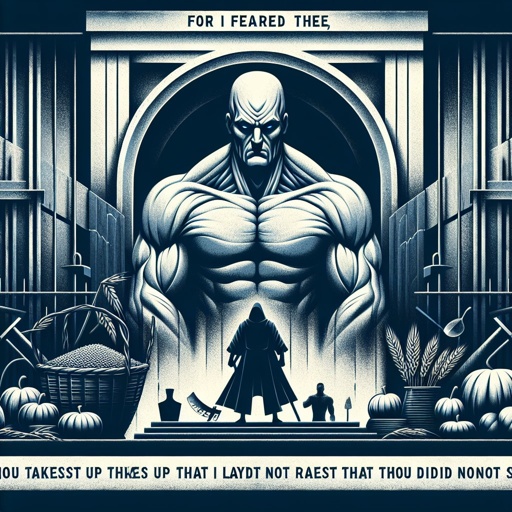
Luke 19:21 - "For I feared thee, because thou art an austere man: thou takest up that thou layedst not down, and reapest that thou didst not sow."
"For I feared thee, because thou art an austere man: thou takest up that thou layedst not down, and reapest that thou didst not sow." - Luke 19:21

luke 21:5-19

Luke 21:15-19

Luke 21:19 - "In your patience possess ye your souls."

luke 21:5-19 with all people of color

luke 21:5-19 with all people of color

luke 21:5-19 with all people of color

luke 21:5-19 with all people of color

"In your patience possess ye your souls." - Luke 21:19

Revelation 19:19-21

Revelation 19:19-21

Revelation 19:19-21

Luke 13:20-21

Luke 13:20-21
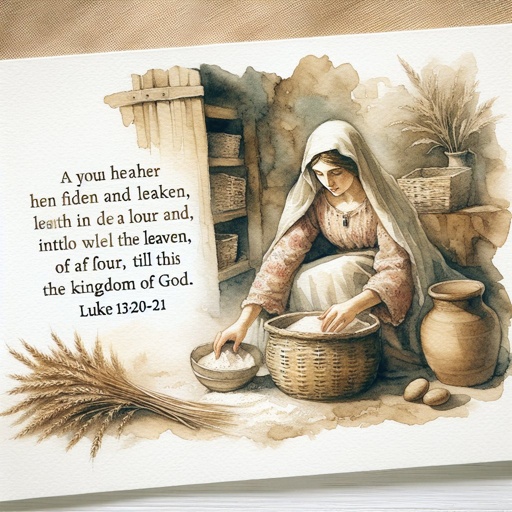
Luke 13:20-21

Luke 13:20-21

Luke 13:20-21

Luke 10:18-19

Luke 13:18-19

Luke 10:18-19

Luke 10:18-19

Luke 13:18-19

Luke 10:17-19

Luke 10:18-19

Luke 10:18-19

Luke 10:18-19

Luke 10:17-19

Luke 15:21

Luke 21:24