What does Luke 19:2 mean?
"And, behold, there was a man named Zacchaeus, which was the chief among the publicans, and he was rich." - Luke 19:2
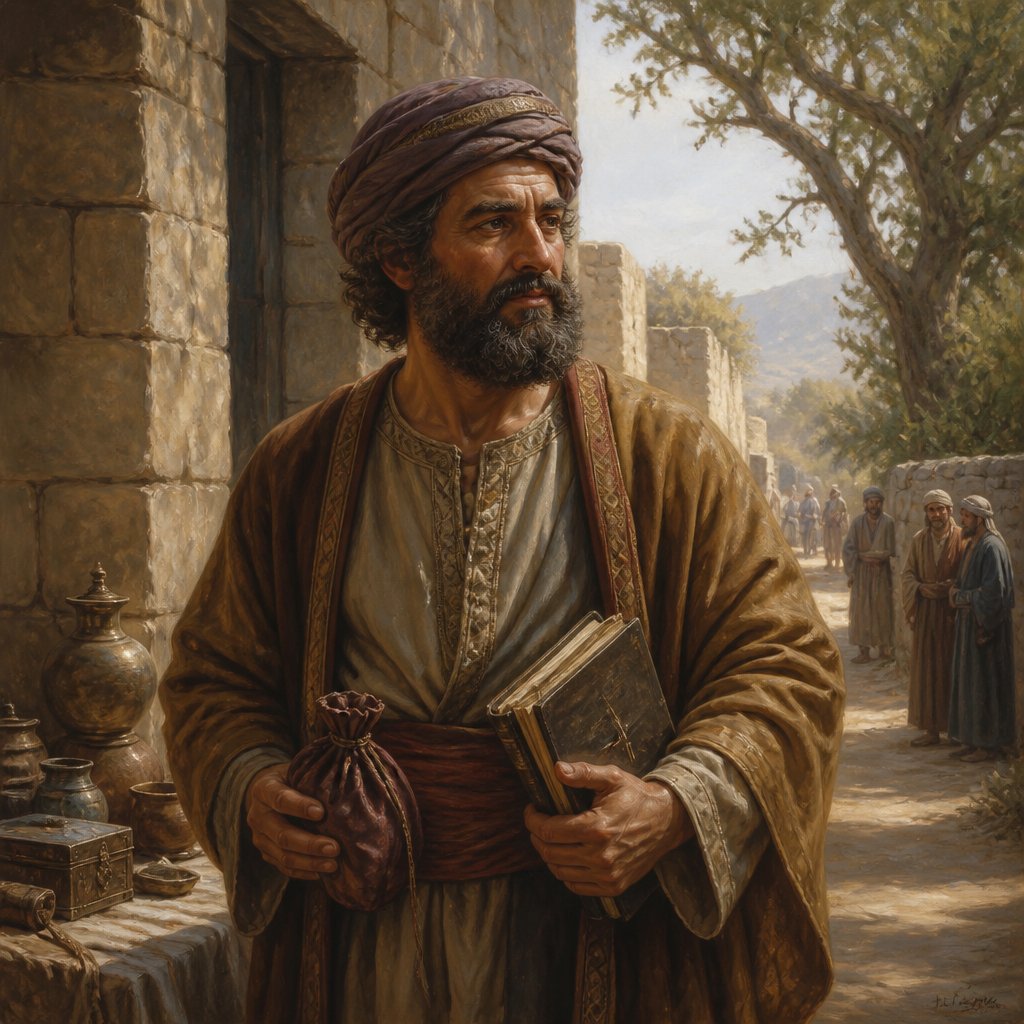
Luke 19:2 from the King James Version states: "And, behold, there was a man named Zacchaeus, which was the chief among the publicans, and he was rich."
In this verse, we are introduced to a man named Zacchaeus, who was a chief tax collector and wealthy. This verse is a significant introduction to the story of Zacchaeus that is found in the Gospel of Luke. The story of Zacchaeus is a powerful and compelling narrative that has continued to resonate with readers for centuries. It is a story of redemption, salvation, and the transformative power of encountering Jesus.
To fully understand the depth and meaning of this verse, it is important to consider the context in which it is situated. The Gospel of Luke was written by Luke, a physician and companion of the Apostle Paul. He wrote this account to provide an orderly and accurate narrative of the life, teachings, death, and resurrection of Jesus Christ. Luke's Gospel emphasizes Jesus' compassion for the marginalized, the outcasts, and the sinners. It is in this context that the story of Zacchaeus unfolds.
Zacchaeus was a tax collector, a position that was despised by the Jewish community. Tax collectors were seen as collaborators with the oppressive Roman regime and were often dishonest in their dealings, exploiting their fellow countrymen for personal gain. As the chief tax collector, Zacchaeus held a position of power and authority, but he was also deeply disliked and ostracized by his community.
The fact that Zacchaeus was rich is also significant in this verse. His wealth would have been perceived as evidence of his dishonesty and corruption, further alienating him from society. In the eyes of the Jewish people, Zacchaeus represented everything that was wrong with the system, and his wealth only served to confirm their suspicions.
However, despite his wealth and social status, Zacchaeus was still searching for something more. When Jesus passes through Jericho, Zacchaeus, being a short man, climbs a sycamore-fig tree to see Jesus. This act of climbing the tree to get a better view of Jesus is symbolic of Zacchaeus' desire to encounter Jesus, despite the obstacles that stood in his way. It is a physical representation of the spiritual quest that he was about to undertake.
The encounter between Jesus and Zacchaeus is transformative. Jesus sees Zacchaeus in the tree and tells him to come down because He must stay at his house. The crowd murmurs that Jesus is going to the house of a sinner, but Zacchaeus responds by announcing that he will give half of his possessions to the poor and repay anyone he has cheated fourfold. Jesus then declares, "Today salvation has come to this house, because this man, too, is a son of Abraham. For the Son of Man came to seek and to save the lost" (Luke 19:9-10).
This encounter with Jesus leads to a dramatic change in Zacchaeus' life. He acknowledges his wrongdoing and offers restitution for his past sins. This demonstrates his genuine repentance and transformation, not just in words but also in action. Jesus recognizes Zacchaeus' sincerity and proclaims that salvation has come to his house. This story is a powerful demonstration of the redeeming and transformative power of encountering Jesus.
The themes present in this verse and the story of Zacchaeus include repentance, salvation, and the inclusive nature of God's love. The encounter between Jesus and Zacchaeus is a powerful reminder that no one is beyond the reach of God's grace and mercy. It also serves as a challenge to us to examine our own prejudices and preconceived notions about others, and to recognize the inherent value and worth of every individual in the eyes of God.
In conclusion, Luke 19:2 introduces us to the character of Zacchaeus and sets the stage for a powerful and transformative encounter with Jesus. The story of Zacchaeus is a compelling illustration of the redemptive and transformative power of encountering Jesus, and it continues to inspire and challenge readers to this day. Through the story of Zacchaeus, we are reminded of the inclusive nature of God's love and the transformative impact of encountering Jesus.
Have questions about Luke 19:2?
Dive deeper into this scripture with Bible Chat — an AI-powered tool for exploring God's Word through conversation. Ask questions, get context, and grow in your understanding of the Bible.
Get Our Apps


Luke 19:2 Artwork

Luke 19:2 - "And, behold, there was a man named Zacchaeus, which was the chief among the publicans, and he was rich."
"And, behold, there was a man named Zacchaeus, which was the chief among the publicans, and he was rich." - Luke 19:2

Luke 2:19 - "But Mary kept all these things, and pondered them in her heart."

Luke 2:19 “But Mary kept all these things, and pondered them in her heart.”
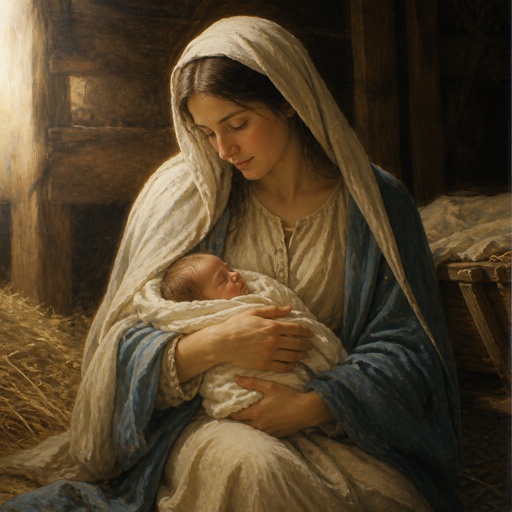
"But Mary kept all these things, and pondered them in her heart." - Luke 2:19

Luke 10:18-19

Luke 13:18-19

Luke 10:18-19

Luke 10:18-19

Luke 10:17-19

Luke 13:18-19

Luke 10:18-19

Luke 10:18-19

Luke 10:18-19

Luke 10:17-19

Luke 19:23

Luke 1:19

Luke 19:23

Luke 19:19 - "And he said likewise to him, Be thou also over five cities."

Luke 19:10

Luke 19:28

Luke 1:19
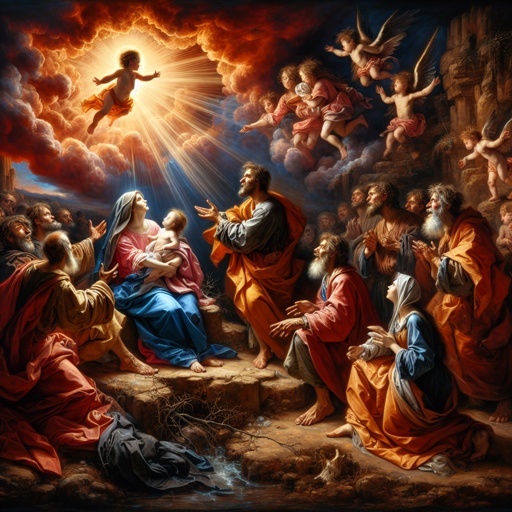
Luke 1:19

luke 21:5-19

Luke 19:1-10

Luke 10:18-19

Luke 19:1-10

Luke 21:15-19

Luke 4:19 - "To preach the acceptable year of the Lord."

Luke 19:34 - "And they said, The Lord hath need of him."