What does Luke 18:7 mean?
"And shall not God avenge his own elect, which cry day and night unto him, though he bear long with them?" - Luke 18:7

The verse Luke 18:7 from the King James Version of the Bible reads: "And shall not God avenge his own elect, which cry day and night unto him, though he bear long with them?"
This verse is part of a larger parable that Jesus tells his disciples about the persistent widow. In the parable, a widow keeps coming to a judge seeking justice against her adversary. At first, the judge refuses to help her, but the widow continues to persistently plea for justice. Eventually, the judge grants her request, not because he cares about justice, but because he is worn out by her continual pleas. Jesus then uses this parable to teach his disciples about the importance of persistent prayer and faith in God's justice.
The verse Luke 18:7 touches on several important themes, including the nature of God, the concept of justice, and the power of prayer. This verse reassures believers that God will eventually bring justice to those who cry out to him day and night. It also highlights the importance of patience and persistence in prayer.
The context of this verse is important to understand. In the parable, the widow represents the marginalized and oppressed members of society who are seeking justice. The judge represents the unjust rulers and authorities who are indifferent to the plight of the vulnerable. The parable is intended to encourage believers to continue to pray and seek justice, even in the face of adversity and resistance.
The theme of justice is central to this verse. Throughout the Bible, God is portrayed as a God of justice who cares for the oppressed and seeks to bring righteousness to the world. In this verse, Jesus reassures his disciples that God will avenge his chosen ones who are seeking justice. This is a powerful message of hope for those who are facing injustice and persecution.
The verse also highlights the power of persistent prayer. The widow in the parable does not give up, but continues to come to the judge day and night, seeking justice. Jesus uses this example to encourage his followers to be persistent in their prayers and to have faith that God will answer their cries for help. This serves as a reminder that believers should not lose heart, but should continue to lift up their concerns to God in prayer.
The symbolism in this verse is also worth noting. The persistent widow represents the faithful believers who continue to seek justice and righteousness in the face of adversity. The judge represents the unjust rulers and authorities of the world who are resistant to hearing the cries of the oppressed. God, in this context, represents the ultimate source of justice and righteousness who will eventually bring about vindication for his people.
In conclusion, Luke 18:7 is a verse that speaks to the themes of justice, persistence, and the power of prayer. It reassures believers that God will bring about justice for those who are oppressed and marginalized. It also serves as a reminder to continue to persistently seek God in prayer, trusting that he will hear and answer our cries for help. This verse is a source of encouragement and hope for those who are facing injustice and persecution, and it reminds us of the ultimate justice and righteousness that will come from God.
Have questions about Luke 18:7?
Dive deeper into this scripture with Bible Chat — an AI-powered tool for exploring God's Word through conversation. Ask questions, get context, and grow in your understanding of the Bible.
Get Our Apps


Luke 18:7 Artwork

Luke 18:7 - "And shall not God avenge his own elect, which cry day and night unto him, though he bear long with them?"

"And shall not God avenge his own elect, which cry day and night unto him, though he bear long with them?" - Luke 18:7
Luke 7:18 - "And the disciples of John shewed him of all these things."
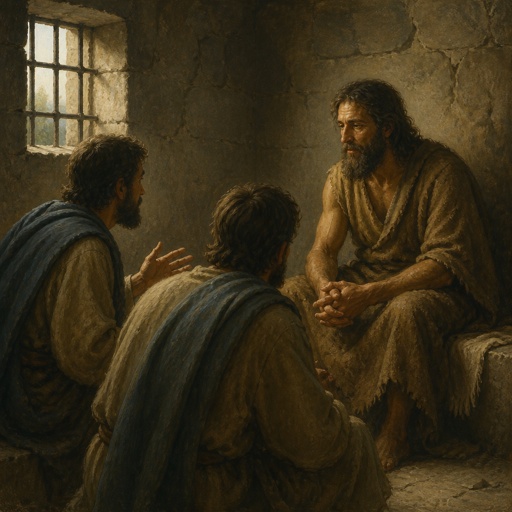
"And the disciples of John shewed him of all these things." - Luke 7:18

Luke 10:18-19

Luke 13:18-19

Luke 10:18-19

Luke 10:18-19

Luke 13:18-19

Luke 10:18-19

Luke 10:18-19

Luke 10:18-19

Luke 4:18

Luke 4:18

Luke 18: 9-14

Luke 8:4-18

Luke 10:18-19

Luke 18:9-14

Luke 18:37 - "And they told him, that Jesus of Nazareth passeth by."

Luke 18:18 - "And a certain ruler asked him, saying, Good Master, what shall I do to inherit eternal life?"

Luke 18:26 - "And they that heard it said, Who then can be saved?"

Luke 21:18 - "But there shall not an hair of your head perish."

Luke 7:33

Luke 7:50

Luke 7:50
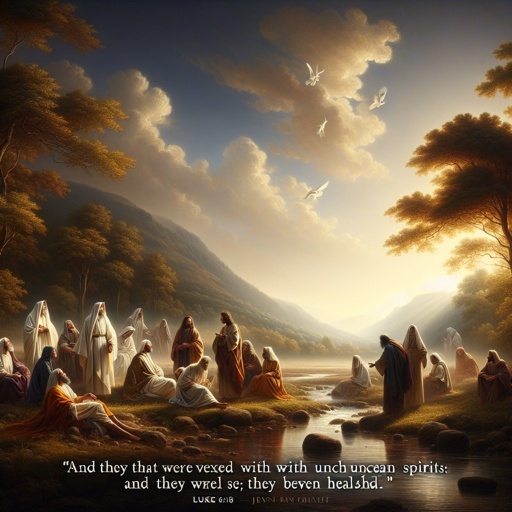
Luke 6:18 - "And they that were vexed with unclean spirits: and they were healed."

Luke 17:18 - "There are not found that returned to give glory to God, save this stranger."

Luke 18:36 - "And hearing the multitude pass by, he asked what it meant."

John 7:17-18

John 7:17-18