What does Luke 18:4 mean?
"And he would not for a while: but afterward he said within himself, Though I fear not God, nor regard man;" - Luke 18:4
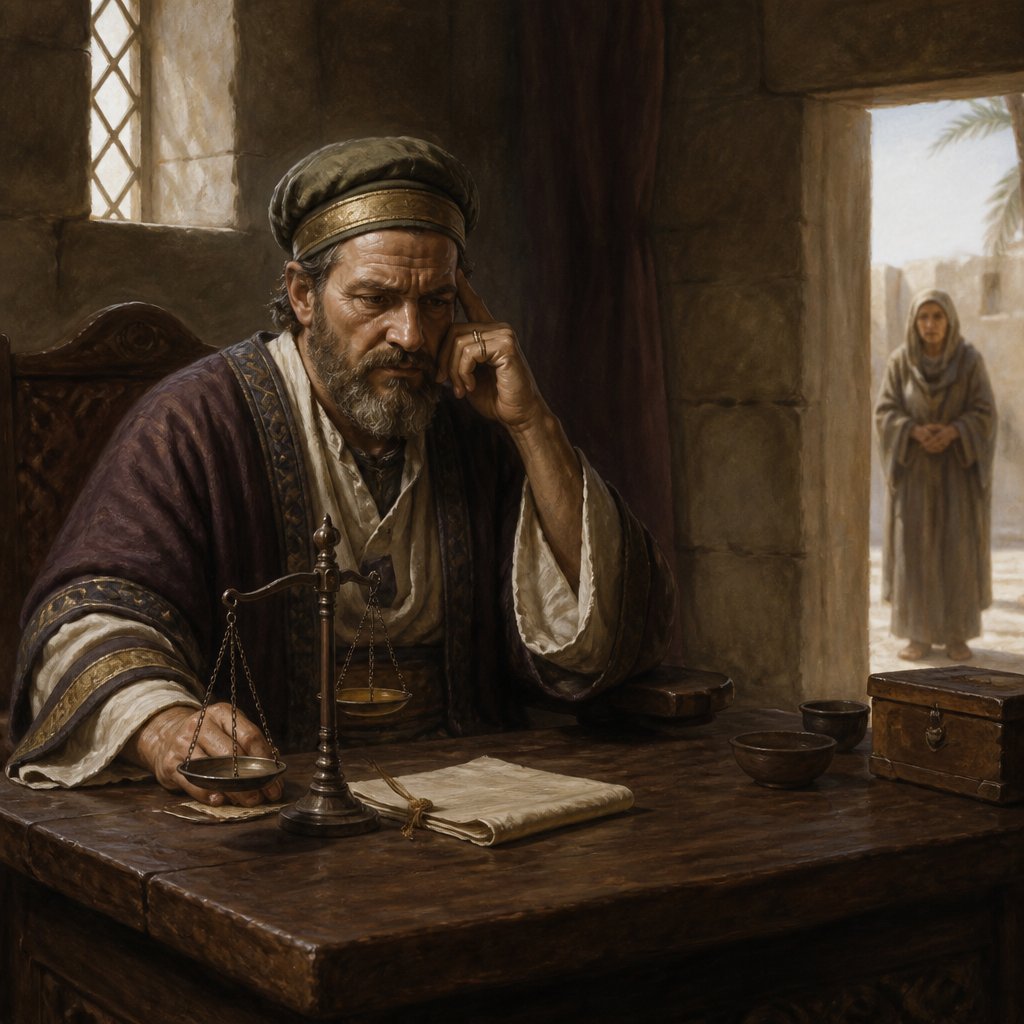
The Bible verse Luke 18:4 in the King James Version (KJV) reads, "And he would not for awhile: but afterward he said within himself, Though I fear not God, nor regard man." This verse is part of a larger passage in which Jesus tells a parable about a persistent widow and an unjust judge. In this parable, the widow repeatedly asks the judge to give her justice against her adversary. The judge initially refuses, but eventually gives in to her request because of her persistence.
In this verse, the phrase "he would not for awhile" refers to the judge's initial refusal to give the widow justice. However, after a period of time, he has a change of heart and decides to grant her request, despite admitting that he does not fear God or regard man. This change of heart is the result of the widow's persistence in seeking justice.
The theme of persistence and perseverance is central to this verse and the parable as a whole. The widow's unwavering determination to seek justice from the judge serves as an example of the kind of persistent faith that Jesus encourages in his followers. This theme of persistence in prayer and faith is echoed in other parts of the Bible, such as in the parable of the persistent friend in Luke 11:5-8.
Another theme present in this verse is the idea of God's justice. The parable of the persistent widow is used by Jesus to illustrate the importance of persisting in prayer and faith, even when it seems like justice is slow in coming. The judge in the parable represents an unjust human authority, and yet he eventually grants the widow's request. This serves as a reminder that God, who is just and righteous, will surely deliver justice to his faithful followers, even if it seems delayed.
The context of this verse is important for understanding its significance. In the preceding verses, Jesus tells his disciples the parable of the persistent widow to encourage them to continue in prayer and faith, and to not lose heart. He contrasts the response of the unjust judge to the response of God, who will surely grant justice to his chosen ones who cry out to him day and night.
The symbolism in this verse lies in the character of the judge and the widow. The judge represents an unjust human authority who initially refuses to grant justice, while the widow represents the faithful and persistent believer who continues to seek justice from God. The judge's eventual change of heart serves as a reminder that even those who are unwilling to do what is right may be moved to act when faced with persistent faith and determination.
In summary, Luke 18:4 in the King James Version (KJV) is a verse that emphasizes the themes of persistence in prayer and faith, as well as the assurance of God's justice. It serves as a reminder to believers to continue in prayer and faith, even when justice seems slow in coming. The parable of the persistent widow is a powerful illustration of the kind of unwavering faith and determination that pleases God, and it encourages believers to persevere in seeking justice and righteousness.
Have questions about Luke 18:4?
Dive deeper into this scripture with Bible Chat — an AI-powered tool for exploring God's Word through conversation. Ask questions, get context, and grow in your understanding of the Bible.
Get Our Apps


Luke 18:4 Artwork

Luke 18:4 - "And he would not for a while: but afterward he said within himself, Though I fear not God, nor regard man;"

"And he would not for a while: but afterward he said within himself, Though I fear not God, nor regard man;" - Luke 18:4

Luke 4:18

Luke 4:18

Luke 8:4-18

Luke 4:18 The Spirit of the Lord is upon me.

Luk 4:18

Luke 10:18-19

Luke 13:18-19

Luke 10:18-19

Luke 10:18-19

Luke 13:18-19

Luke 10:18-19

Luke 10:18-19

Luke 10:18-19

Luke 4:18 - "The Spirit of the Lord is upon me, because he hath anointed me to preach the gospel to the poor; he hath sent me to heal the brokenhearted, to preach deliverance to the captives, and recovering of sight to the blind, to set at liberty them that are bruised,"

Luke 4:18-19 - "The Spirit of the Lord is on me, because he has anointed me to proclaim good news to the poor. He has sent me to proclaim freedom for the prisoners and recovery of sight for the blind, to set the oppressed free, to proclaim the year of the Lord’s favor."

Luke 18: 9-14

Luke 10:18-19

Luke 18:9-14

Luke 18:37 - "And they told him, that Jesus of Nazareth passeth by."

Luke 18:18 - "And a certain ruler asked him, saying, Good Master, what shall I do to inherit eternal life?"

Luke 21:18 - "But there shall not an hair of your head perish."

Luke 18:26 - "And they that heard it said, Who then can be saved?"
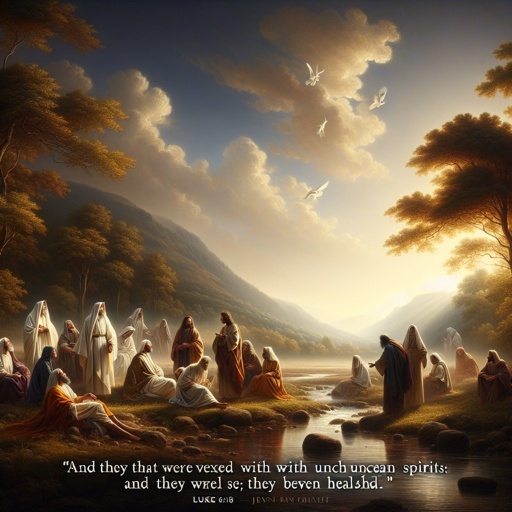
Luke 6:18 - "And they that were vexed with unclean spirits: and they were healed."
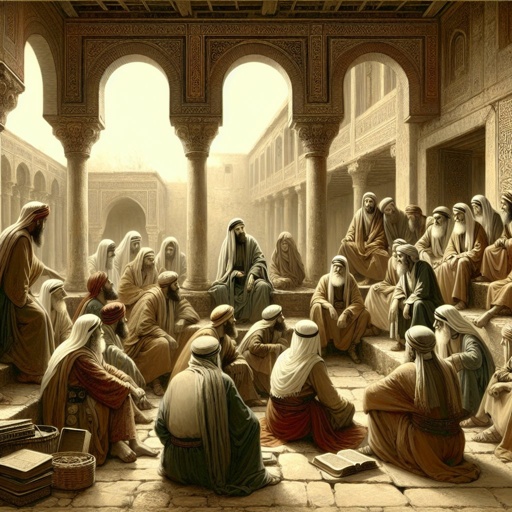
Luke 7:18 - "And the disciples of John shewed him of all these things."

Luke 17:18 - "There are not found that returned to give glory to God, save this stranger."

Luke 18:36 - "And hearing the multitude pass by, he asked what it meant."

Luke 18:6 - "And the Lord said, Hear what the unjust judge saith."

Luke 4:29