What does Luke 18:26 mean?
"And they that heard it said, Who then can be saved?" - Luke 18:26

The Bible verse Luke 18:26 in the King James Version states: "And they that heard it said, Who then can be saved?" This verse comes from the New Testament, specifically from the Gospel of Luke, which is one of the four Gospels that tell the story of Jesus Christ and his teachings.
In this particular verse, Jesus has just told his disciples the difficulty of a rich man entering the kingdom of God, comparing it to a camel passing through the eye of a needle. This statement shocks the disciples, and they respond with the question, "Who then can be saved?" This question reflects the common belief at the time that wealth and material possessions were a sign of God's favor and that a rich person would easily enter the kingdom of God. However, Jesus' statement challenges this belief and forces the disciples to reconsider their understanding of salvation.
The theme of this verse is the radical nature of salvation and the kingdom of God. Jesus' statement about the rich man highlights the idea that entrance into the kingdom of God is not something that can be achieved through human effort or merit. Instead, it is a gift from God that defies human expectations and logic. This challenges the disciples' preconceived notions about who is deserving of salvation and emphasizes the universal need for God's grace.
The context of this verse is important for understanding its full meaning. In the preceding verses, a rich ruler approaches Jesus and asks him what he must do to inherit eternal life. Jesus tells him to sell all his possessions and give to the poor, but the rich man is unable to do so because of his great wealth. This interaction sets the stage for Jesus' teaching about the difficulty of a rich man entering the kingdom of God and the disciples' astonishment at this revelation.
The symbolism in this verse lies in the contrast between human impossibility and divine possibility. The image of a camel passing through the eye of a needle is meant to convey the idea of something that is inherently difficult, if not impossible. This symbolizes the impossibility of achieving salvation through human effort alone. However, Jesus follows this statement with the assertion that "The things which are impossible with men are possible with God" (Luke 18:27). This statement emphasizes the divine power and grace that makes salvation possible, regardless of human limitations.
Overall, Luke 18:26 is a powerful reminder of the radical nature of God's grace and the universal need for salvation. It challenges the human tendency to rely on wealth or good works as a means of earning salvation and emphasizes the need for humility and dependence on God. This verse serves as a call to reevaluate our understanding of salvation and recognize that it is a gift from God that transcends human expectations and limitations. Ultimately, it points to the power of God to make the impossible possible and offers hope to all who seek salvation.
Have questions about Luke 18:26?
Dive deeper into this scripture with Bible Chat — an AI-powered tool for exploring God's Word through conversation. Ask questions, get context, and grow in your understanding of the Bible.
Get Our Apps


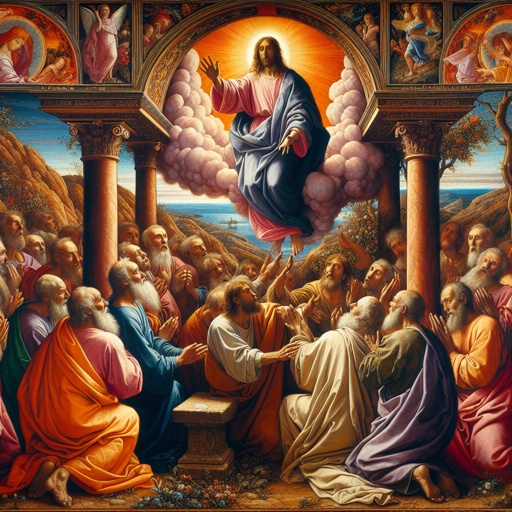
Luke 18:26 Artwork

Luke 18:26 - "And they that heard it said, Who then can be saved?"

"And they that heard it said, Who then can be saved?" - Luke 18:26

luke 1:26

luke 1:26

Luke 1:26

Luke 12:25-26

Luke 12:25-26

Luke 16:22-26

Luke 12:25-26

Luke 6:21-26

Luke 12:25-26
Luke 12:25-26

Luke 12:25-26

Luke 6:21-26

Luke 5:17-26

Luke 12:25-26

Genesis 18-26

Genesis 26:18

Luke 10:18-19

Luke 13:18-19

Luke 10:18-19

Luke 10:18-19

Luke 13:18-19

Luke 10:18-19

Luke 10:18-19

Luke 10:18-19

Joshua 18:26 - "And Mizpeh, and Chephirah, and Mozah,"

Luke 4:18

Luke 4:18

Luke 8:26 - "¶ And they arrived at the country of the Gadarenes, which is over against Galilee."