What does Luke 18:21 mean?
"And he said, All these have I kept from my youth up." - Luke 18:21
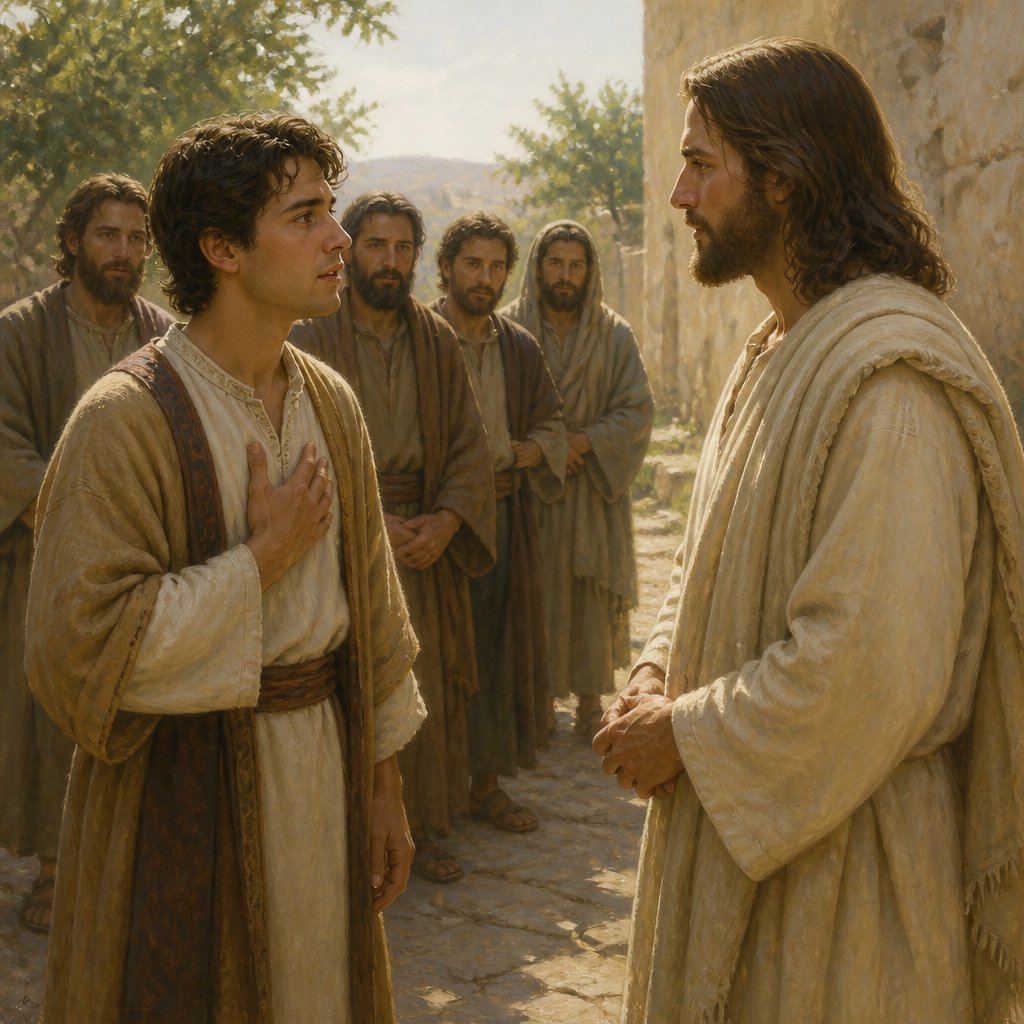
The Bible verse Luke 18:21 in the King James Version states, "And he said, All these have I kept from my youth up." This verse is a part of the larger narrative of the rich young ruler who approaches Jesus and asks him what he must do to inherit eternal life. This story is found in the book of Luke, which is one of the four Gospels in the New Testament.
The rich young ruler in this story represents a person who is outwardly moral and religious. He has kept all the commandments and has lived a righteous life from his youth. In the cultural and religious context of that time, this was highly commendable, as the Jewish tradition emphasized the importance of following the laws and commandments of God. However, Jesus challenges the rich young ruler to go beyond mere outward obedience and to examine his heart and priorities.
This verse emphasizes the rich young ruler's claim that he has kept all the commandments since he was young. It reveals his confidence and pride in his own righteousness and moral efforts. This reflects a common human tendency to rely on personal accomplishments and self-righteousness in seeking approval from God.
The broader theme of this story, and the verse in question, is the conflict between worldly wealth and the kingdom of God. Jesus tells the rich young ruler to sell all his possessions and give to the poor in order to follow Him. This exposes the young man's attachment to his wealth and reveals that he is not willing to give it up for the sake of following Jesus. This challenges the notion that material wealth and moral uprightness can secure eternal life.
The verse also raises the question of the insufficiency of human effort in attaining salvation. The rich young ruler's claim to have kept all the commandments is a boast in his own abilities and merits. However, Jesus teaches that salvation is not achieved through human works, but by God's grace through faith in Jesus Christ. The rich young ruler's reliance on his own righteousness is ultimately insufficient to secure eternal life.
Symbolically, the rich young ruler represents the self-righteousness and pride that can hinder individuals from truly surrendering to God. His unwillingness to let go of his wealth and prioritize Jesus reflects the conflict between worldly pursuits and spiritual commitment. The story highlights the importance of recognizing one's need for God's grace and the futility of trusting in one's own efforts for salvation.
Ultimately, this verse points to the transformative power of the gospel. Jesus' challenge to the rich young ruler reveals the need for a heart transformation and a reordering of priorities. It is a call to surrender everything to follow Christ and to recognize that true righteousness comes from a relationship with Him, rather than from one's own achievements.
In conclusion, Luke 18:21 in the King James Version captures the rich young ruler's claim to have kept all the commandments from his youth. It serves as a poignant reminder of the limitations of human efforts and the need for a humble reliance on God's grace for salvation. The verse challenges the notion of self-sufficiency and emphasizes the transformation that comes from surrendering to Christ. It serves as a powerful message about the true source of righteousness and the cost of following Jesus.
Have questions about Luke 18:21?
Dive deeper into this scripture with Bible Chat — an AI-powered tool for exploring God's Word through conversation. Ask questions, get context, and grow in your understanding of the Bible.
Get Our Apps


Luke 18:21 Artwork

Luke 18:21 - "And he said, All these have I kept from my youth up."

"And he said, All these have I kept from my youth up." - Luke 18:21

Luke 21:18 - "But there shall not an hair of your head perish."

"But there shall not an hair of your head perish." - Luke 21:18

Luke 21:16-18 - "And ye shall be betrayed both by parents, and brethren, and kinsfolks, and friends; and some of you shall they cause to be put to death. And ye shall be hated of all men for my name's sake. But there shall not an hair of your head perish."

Luke 13:20-21

Luke 13:20-21
Luke 13:20-21

Luke 13:20-21

Luke 13:20-21

Proverbs 18:21

Proverbs 18:21

Proverbs 18:21

Proverbs 18:21

Luke 10:18-19

Luke 13:18-19

Luke 10:18-19

Luke 10:18-19

Luke 13:18-19

Luke 15:21

Luke 21:24

Luke 15:21

Luke 10:18-19

Luke 10:18-19

Luke 10:18-19

Proverbs 18:21

Proverbs 18:21

Proverbs 18:21

Proverbs 18:21

Proverbs 18:21