What does Luke 15:3-7 mean?
"So he told them this parable: 4 What man of you, having an hundred sheep, if he lose one of them, doth not leave the ninety and nine in the wilderness, and go after that which is lost, until he find it? 5 And when he hath found it, he layeth it on his shoulders, rejoicing. 6 And when he cometh home, he calleth together his friends and neighbours, saying unto them, Rejoice with me; for I have found my sheep which was lost. 7 I say unto you, that likewise joy shall be in heaven over one sinner that repenteth, more than over ninety and nine just persons, which need no repentance." - Luke 15:3-7

In Luke 15:3-7, the King James Version (KJV) reads:
"And he spake this parable unto them, saying, What man of you, having an hundred sheep, if he lose one of them, doth not leave the ninety and nine in the wilderness, and go after that which is lost, until he find it? And when he hath found it, he layeth it on his shoulders, rejoicing. And when he cometh home, he calleth together his friends and neighbours, saying unto them, Rejoice with me; for I have found my sheep which was lost. I say unto you, that likewise joy shall be in heaven over one sinner that repenteth, more than over ninety and nine just persons, which need no repentance."
This parable, often referred to as the Parable of the Lost Sheep, is part of a larger collection of teachings and parables found in Luke 15. The chapter begins with the Pharisees and scribes criticizing Jesus for associating with sinners and tax collectors. In response, Jesus tells three parables: the Parable of the Lost Sheep, the Parable of the Lost Coin, and the Parable of the Prodigal Son. These parables all emphasize the value of repentance and the joy that comes from the return of those who were lost.
In the Parable of the Lost Sheep, Jesus uses the imagery of a shepherd with a flock of 100 sheep. When one sheep goes astray, the shepherd leaves the ninety-nine to search for the lost one. This act of leaving the ninety-nine to search for the one lost sheep emphasizes the value that the shepherd places on each individual sheep. The shepherd's care and concern for the lost sheep is a powerful demonstration of love and redemption.
The joy that the shepherd experiences upon finding the lost sheep is reflected not only in the parable but also in the heavenly realm. Jesus states, "I say unto you, that likewise joy shall be in heaven over one sinner that repenteth, more than over ninety and nine just persons, which need no repentance." This statement underscores the message of forgiveness and redemption that is at the heart of this parable and the entire chapter.
The Parable of the Lost Sheep highlights several important themes. Firstly, it emphasizes the value and worth of each individual. The shepherd's willingness to leave the ninety-nine in search of the one lost sheep speaks to the value that God places on every person. No one is beyond God's care and concern, and He is willing to go to great lengths to seek out those who are lost.
Secondly, the parable underscores the concept of repentance and redemption. The joy that is experienced upon finding the lost sheep mirrors the joy in heaven over a sinner who repents. This serves as a powerful reminder of the forgiveness and grace that God extends to those who turn to Him in repentance.
The imagery in the parable also holds deep symbolism. The shepherd is often seen as a representation of Jesus, who seeks out the lost and rejoices upon their return. The sheep symbolize humanity in need of redemption, while the wilderness represents the struggles and challenges of life. The act of laying the lost sheep on the shepherd's shoulders reflects the care and responsibility that Jesus takes upon Himself for the redemption of humanity.
In the context of the larger chapter, the Parable of the Lost Sheep serves as a powerful message of hope and redemption. It challenges the attitudes of the Pharisees and scribes, emphasizing God's relentless pursuit of those who are lost. It also serves as an encouragement to sinners and outcasts, reminding them of the immeasurable love and grace that God offers to all who turn to Him in repentance.
Overall, the Parable of the Lost Sheep is a profound illustration of God's love, grace, and redemption. It emphasizes the value of each individual, the joy of repentance, and the relentless pursuit of the lost by the Good Shepherd. It continues to serve as a timeless and powerful message of hope and salvation for all who are willing to turn to God in repentance.
Have questions about Luke 15:3-7?
Dive deeper into this scripture with Bible Chat — an AI-powered tool for exploring God's Word through conversation. Ask questions, get context, and grow in your understanding of the Bible.
Get Our Apps


Luke 15:3-7 Artwork

Luke 15:3-7 - "So he told them this parable: “What man of you, having a hundred sheep, if he has lost one of them, does not leave the ninety-nine in the open country, and go after the one that is lost, until he finds it? And when he has found it, he lays it on his shoulders, rejoicing. And when he comes home, he calls together his friends and his neighbors, saying to them, ‘Rejoice with me, for I have found my sheep that was lost.’ Just so, I tell you, there will be more joy in heaven over one sinner who repents than over ninety-nine righteous persons who need no repentance."

"So he told them this parable: “What man of you, having a hundred sheep, if he has lost one of them, does not leave the ninety-nine in the open country, and go after the one that is lost, until he finds it? And when he has found it, he lays it on his shoulders, rejoicing. And when he comes home, he calls together his friends and his neighbors, saying to them, ‘Rejoice with me, for I have found my sheep that was lost.’ Just so, I tell you, there will be more joy in heaven over one sinner who repents than over ninety-nine righteous persons who need no repentance." - Luke 15:3-7

Luke 15: 4-7

Luke 15:3 - "¶ And he spake this parable unto them, saying,"

"¶ And he spake this parable unto them, saying," - Luke 15:3

Luke 7:15 - "And he that was dead sat up, and began to speak. And he delivered him to his mother."

Luke 3:15 - "And as the people were in expectation, and all men mused in their hearts of John, whether he were the Christ, or not;"

Luke 15:7 - "I say unto you, that likewise joy shall be in heaven over one sinner that repenteth, more than over ninety and nine just persons, which need no repentance."

Luke 3:7 - "Then said he to the multitude that came forth to be baptized of him, O generation of vipers, who hath warned you to flee from the wrath to come?"

Luke 7:3 - "And when he heard of Jesus, he sent unto him the elders of the Jews, beseeching him that he would come and heal his servant."

"And he that was dead sat up, and began to speak. And he delivered him to his mother." - Luke 7:15

"And as the people were in expectation, and all men mused in their hearts of John, whether he were the Christ, or not;" - Luke 3:15
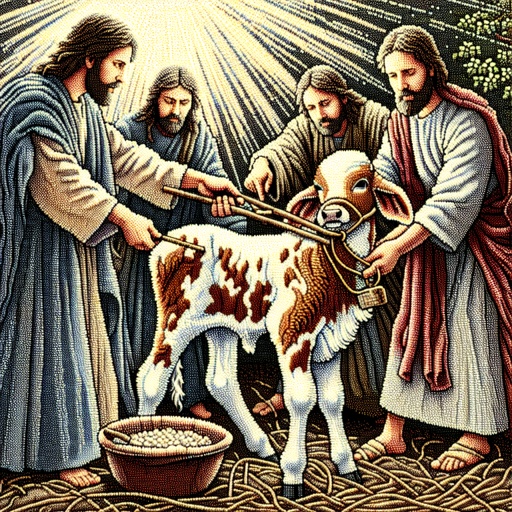
Luke 15:23

Luke 15:10

Luke 15:21

Luke 15:21

Luke 11:14-15

Luke 21:15-19

Luke 15:11-32

Luke 7:33

Luke 7:50

Luke 7:50

Luke 15:15 - "And he went and joined himself to a citizen of that country; and he sent him into his fields to feed swine."

John 15:7

Luke 4:15 - "And he taught in their synagogues, being glorified of all."

Luke 7:36-50

John 15:7

Luke 7:41-47

Luke 7:36–50

Luke 15:11 - "¶ And he said, A certain man had two sons:"