What does Luke 15:23 mean?
"And bring hither the fatted calf, and kill it; and let us eat, and be merry:" - Luke 15:23

The Bible verse Luke 15:23 in the King James Version (KJV) reads: "And bring hither the fatted calf, and kill it; and let us eat, and be merry."
This verse is part of the parable of the Prodigal Son, one of the most well-known parables taught by Jesus. The context of this parable is that Jesus tells a story of a father and his two sons. The younger son asks for his inheritance early and then goes off to squander it in a life of debauchery. When he has nothing left, he returns to his father, who welcomes him with open arms and throws a feast to celebrate his return. This verse is said by the father to his servants in preparation for the celebration.
The parable of the Prodigal Son is often seen as a story of forgiveness, redemption, and the overwhelming love of God. The younger son represents the sinner who strays from God, while the father represents God Himself, who is always ready to welcome His children back into His embrace and forgive them. This verse in particular signifies the joy and celebration that comes with repentance and forgiveness. The father's command to bring the fatted calf and prepare a feast symbolizes the abundance and generosity of God's love and mercy for those who return to Him.
The theme of reconciliation is central to this parable, as it illustrates the idea of forgiveness and second chances. The father's reaction to his son's return is one of compassion and love, regardless of the son's previous actions. This reflects the unconditional love and forgiveness that God offers to His children, no matter how far they have strayed. It also emphasizes the importance of repentance and turning away from sin, as the son realizes the error of his ways and returns to his father seeking forgiveness.
The symbolism in this verse is rich with meaning. The fatted calf was considered a great luxury in biblical times, and its sacrifice indicates the magnitude of the celebration. Killing the fatted calf and feasting represents the joy and abundance that comes with repentance and reconciliation with God. It also symbolizes the lavishness of God's grace and the richness of His mercy. The act of feasting is a symbol of the joy and celebration that comes with God's forgiveness and the restoration of a relationship with Him.
Overall, Luke 15:23 from the King James Version of the Bible captures the essence of the parable of the Prodigal Son, highlighting the themes of forgiveness, reconciliation, and the unwavering love of God. It serves as a powerful reminder of God's willingness to forgive and the joy that comes with returning to Him. This verse continues to inspire and resonate with believers, serving as a testament to the boundless love and grace of God.
Have questions about Luke 15:23?
Dive deeper into this scripture with Bible Chat — an AI-powered tool for exploring God's Word through conversation. Ask questions, get context, and grow in your understanding of the Bible.
Get Our Apps


Luke 15:23 Artwork
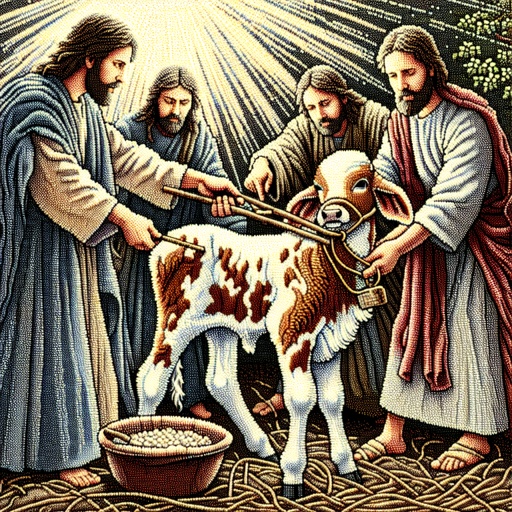
Luke 15:23

Luke 15:23 - "And bring hither the fatted calf, and kill it; and let us eat, and be merry:"

"And bring hither the fatted calf, and kill it; and let us eat, and be merry:" - Luke 15:23

Luke 23:15 - "No, nor yet Herod: for I sent you to him; and, lo, nothing worthy of death is done unto him."

"No, nor yet Herod: for I sent you to him; and, lo, nothing worthy of death is done unto him." - Luke 23:15

Luke 23:53

Luke 19:23

luke 11:23

Luke 19:23

luke 11:23

luke 11:23

luke 11:23

Luke 23:54 - "And that day was the preparation, and the sabbath drew on."

Luke 23:23 - "And they were instant with loud voices, requiring that he might be crucified. And the voices of them and of the chief priests prevailed."

Luke 15:10

Exodus 15:23

Matthew 15:23

Luke 23:24 - "And Pilate gave sentence that it should be as they required."

Luke 15:21

Luke 15:21
Exodus 15:23

Matthew 15:23

Genesis 23-15

Luke 23:45 - "And the sun was darkened, and the veil of the temple was rent in the midst."

Luke 7:23 - "And blessed is he, whosoever shall not be offended in me."

Luke 23:21 - "But they cried, saying, Crucify him, crucify him."

Luke 23:16 - "I will therefore chastise him, and release him."

Luke 23:37 - "And saying, If thou be the king of the Jews, save thyself."

Luke 23:10 - "And the chief priests and scribes stood and vehemently accused him."

Joshua 15:23 - "And Kedesh, and Hazor, and Ithnan,"