What does Luke 15:15 mean?
"And he went and joined himself to a citizen of that country; and he sent him into his fields to feed swine." - Luke 15:15

The Bible verse Luke 15:15 in the King James Version (KJV) states, "And [the prodigal son] went and joined himself to a citizen of that country; and he sent him into his fields to feed swine." This verse comes from the well-known parable of the prodigal son, which is found in the Gospel of Luke.
The parable of the prodigal son is a story of the Father's love and forgiveness. In this parable, a father has two sons, and the younger son asks for his share of the inheritance and then leaves his father's home to live a reckless life. After squandering all his wealth, he finds himself in poverty and decides to return home to his father, hoping for forgiveness and a place as a servant. The father, however, welcomes him back with open arms and throws a feast in his honor, much to the dismay of the elder son who has remained faithful.
The verse Luke 15:15 occurs at a critical moment in the prodigal son's journey. After wasting all his possessions in reckless living, the prodigal son finds himself in a foreign land, starving and desperate. He "joined himself to a citizen of that country" and is forced to work in the fields feeding swine, which was considered an unclean and degrading job for a Jewish person.
The prodigal son's situation in this verse serves as a powerful symbol of the consequences of sin and the depths of human despair. This verse illustrates the dire circumstances that the prodigal son has fallen into as a result of his foolish and wasteful choices. It serves as a reminder of the consequences of our actions and the emptiness of a life lived apart from God's grace and provision.
Furthermore, the prodigal son's experience of working in the fields feeding swine also carries deep symbolic meaning. In Jewish culture, swine were considered unclean and were not to be consumed or associated with. Therefore, for the prodigal son, feeding swine represents a complete departure from his moral upbringing and reflects his state of spiritual and moral degradation.
However, this verse is not just a portrayal of despair and ruin; it also represents a turning point in the prodigal son's life. It marks the moment where the prodigal son finally comes to his senses and realizes the gravity of his situation. In the verses that follow, the prodigal son makes the decision to return to his father, confess his wrongdoings, and seek forgiveness.
The parable of the prodigal son as a whole conveys important themes such as redemption, forgiveness, and the boundless love of God. It shows that no matter how far we have strayed, God is always ready to welcome us back with open arms when we turn to Him. It also speaks to the importance of repentance and the humility required to acknowledge our mistakes and seek reconciliation.
In conclusion, Luke 15:15 in the KJV version is a significant verse within the parable of the prodigal son, conveying powerful themes of sin, redemption, and the unconditional love of God. It serves as a reminder of the consequences of our actions and the possibility of restoration through repentance and forgiveness. This verse continues to resonate with people today, offering hope and encouragement for those who may feel lost or estranged from their faith.
Have questions about Luke 15:15?
Dive deeper into this scripture with Bible Chat — an AI-powered tool for exploring God's Word through conversation. Ask questions, get context, and grow in your understanding of the Bible.
Get Our Apps


Luke 15:15 Artwork

Luke 15:15 - "And he went and joined himself to a citizen of that country; and he sent him into his fields to feed swine."

"And he went and joined himself to a citizen of that country; and he sent him into his fields to feed swine." - Luke 15:15
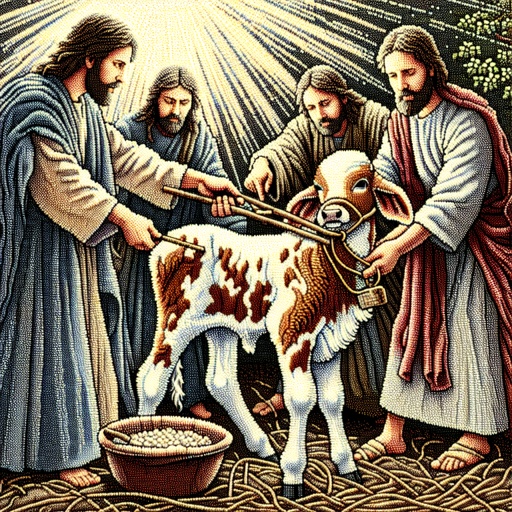
Luke 15:23

Luke 15:10

Luke 15:21

Luke 15:21

Luke 15: 4-7

Luke 11:14-15

Luke 21:15-19

Luke 15:11-32

Luke 4:15 - "And he taught in their synagogues, being glorified of all."

Luke 15:3 - "¶ And he spake this parable unto them, saying,"

Luke 15:11 - "¶ And he said, A certain man had two sons:"

Luke 9:15 - "And they did so, and made them all sit down."

Luke 6:15 - "Matthew and Thomas, James the son of Alphaeus, and Simon called Zelotes,"

Luke 15:26 - "And he called one of the servants, and asked what these things meant."

Luke 15:2 - "And the Pharisees and scribes murmured, saying, This man receiveth sinners, and eateth with them."

Luke 15:23 - "And bring hither the fatted calf, and kill it; and let us eat, and be merry:"

Proverbs 1:5

Proverbs 1:5

Psalm 1:5

Proverbs 1:5

Genesis 1:5

Proverbs 1:5

Proverbs 1:5

Proverbs 1:5

Psalm 1:5

Proverbs 1:5

Proverbs 1:5

Proverbs 1:5