What does Luke 15:14 mean?
"And when he had spent all, there arose a mighty famine in that land; and he began to be in want." - Luke 15:14
Sure! Here is a detailed commentary on Luke 15:14 from the King James Version:
Context:
Luke 15:14 is a verse from the parable of the Prodigal Son, which is one of the most well-known and beloved parables of Jesus. The parable is found in the Gospel of Luke and is part of a series of parables that Jesus tells to illustrate the idea of God's love and mercy for sinners. The parable of the Prodigal Son is a powerful and emotional story that speaks to the themes of repentance, forgiveness, and the boundless grace of God.
Meaning:
The verse Luke 15:14 reads, "And when he had spent all, there arose a mighty famine in that land; and he began to be in want." This verse describes the plight of the younger son in the parable who squanders his inheritance on reckless living and is left with nothing when a famine strikes the land. The verse serves as a turning point in the story, as the son hits rock bottom and is forced to confront the consequences of his actions.
The famine in the verse can be understood as representing the trials and hardships that the son faces as a result of his wayward lifestyle. It is a metaphor for the spiritual emptiness and desperation that come from living a life of sin and selfishness. The verse highlights the consequences of the son's choices and the depth of his need for redemption and restoration.
Symbolism:
The famine in Luke 15:14 serves as a powerful symbol of the spiritual famine that results from a life of sin and disobedience. It represents the emptiness, desperation, and lack of fulfillment that come from pursuing worldly pleasures and material gain at the expense of one's relationship with God. The famine is a reminder of the destructive nature of sin and the ways in which it can leave us spiritually impoverished and in need of God's grace.
The verse also symbolizes the idea of repentance and the turning point that comes when we hit rock bottom and realize the extent of our need for God. The son's experience of the famine can be seen as a metaphor for the process of coming to a true understanding of our sinfulness and our need for God's forgiveness and restoration. It is a reminder that even in our deepest moments of need, God is always ready to welcome us back with open arms.
Theme:
The overarching theme of Luke 15:14 is the idea of redemption and the boundless grace of God. The verse illustrates the depth of the son's need for forgiveness and his longing to be restored to relationship with his father. It speaks to the universal human experience of making mistakes, feeling lost, and yearning for a sense of belonging and acceptance.
The verse also emphasizes the transformative power of repentance and the possibility of renewal and restoration in God. It underscores the idea that no matter how far we have strayed or how desperate our circumstances may seem, God is always ready to receive us with love and compassion. It is a powerful reminder of the hope and healing that come from turning back to God and seeking his forgiveness.
In conclusion, Luke 15:14 is a verse that speaks to the universal themes of repentance, forgiveness, and the boundless grace of God. It uses the powerful imagery of a famine to illustrate the consequences of sin and the depth of the son's need for restoration. The verse serves as a powerful reminder of the transformative power of God's love and the possibility of redemption for all who turn back to him.
Have questions about Luke 15:14?
Dive deeper into this scripture with Bible Chat — an AI-powered tool for exploring God's Word through conversation. Ask questions, get context, and grow in your understanding of the Bible.
Get Our Apps


Luke 15:14 Artwork

Luke 15:14 - "And when he had spent all, there arose a mighty famine in that land; and he began to be in want."
"And when he had spent all, there arose a mighty famine in that land; and he began to be in want." - Luke 15:14

Luke 11:14-15
Luke 14:15 - "¶ And when one of them that sat at meat with him heard these things, he said unto him, Blessed is he that shall eat bread in the kingdom of God."

Luke 21:14-15 - "But make up your mind not to worry beforehand how you will defend yourselves. For I will give you words and wisdom that none of your adversaries will be able to resist or contradict."
Luke 15:23

Luke 15:10

Luke 15:21

Luke 15:21

Luke 15: 4-7

Luke 21:15-19

Luke 15:11-32

Luke 14:14 - "And thou shalt be blessed; for they cannot recompense thee: for thou shalt be recompensed at the resurrection of the just."

Luke 18:9-14

Luke 11:1-14

Luke 14:25 - 33

Luke 11:1-14

Luke 2:13-14

Luke 18: 9-14

Luke 2:13-14

Luke 15:15 - "And he went and joined himself to a citizen of that country; and he sent him into his fields to feed swine."

Luke 14:6 - "And they could not answer him again to these things."

Genesis 15:14

Luke 4:15 - "And he taught in their synagogues, being glorified of all."

Luke 15:3 - "¶ And he spake this parable unto them, saying,"

Colossians 4:14 - "Luke, the beloved physician, and Demas, greet you."

Luke 14:30 - "Saying, This man began to build, and was not able to finish."

Luke 15:11 - "¶ And he said, A certain man had two sons:"

Luke 9:15 - "And they did so, and made them all sit down."
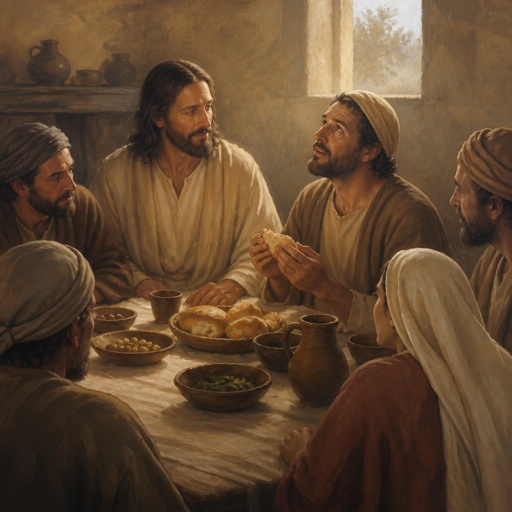
"¶ And when one of them that sat at meat with him heard these things, he said unto him, Blessed is he that shall eat bread in the kingdom of God." - Luke 14:15