What does Luke 15:10 mean?
"Likewise, I say unto you, there is joy in the presence of the angels of God over one sinner that repenteth." - Luke 15:10

Luke 15:10 (KJV) says, "Likewise, I say unto you, there is joy in the presence of the angels of God over one sinner that repenteth."
This verse comes from the Gospel of Luke, which is one of the four canonical gospels in the New Testament. The Gospel of Luke was written by Luke, a companion of the apostle Paul, and it emphasizes the compassion of Jesus towards the marginalized and outcast. The passage in which this verse appears, known as the Parable of the Lost Sheep, is part of a series of parables that Jesus tells to illustrate the value of repentance and the joy that comes from finding and restoring lost souls.
The Parable of the Lost Sheep, found in Luke 15:3-7, tells the story of a shepherd who leaves his flock of 99 sheep to search for one lost sheep. When he finds the lost sheep, he rejoices and calls his friends and neighbors to celebrate with him. Jesus concludes the parable by saying, "I say unto you, that likewise joy shall be in heaven over one sinner that repenteth, more than over ninety and nine just persons, which need no repentance" (Luke 15:7, KJV). This sets the stage for the verse in question, Luke 15:10, which emphasizes the joy in the presence of the angels of God over one sinner who repents.
The theme of repentance and redemption is central to Luke 15:10. It conveys the message that God rejoices when a sinner repents and turns back to Him. This theme is consistent with the broader message of the Gospel of Luke, which emphasizes God's love and mercy towards those who are lost and in need of reconciliation. The verse also highlights the value of each individual and the lengths to which God will go to seek and save those who are lost.
The context of Luke 15:10 is important for understanding its significance. The verse is part of a larger section in the Gospel of Luke where Jesus is addressing the Pharisees and scribes who are criticizing Him for associating with sinners and tax collectors. In response, Jesus tells the parables of the Lost Sheep, the Lost Coin, and the Prodigal Son to illustrate God's love for those who are lost and the joy that comes from their repentance. These parables serve as a rebuke to the self-righteous attitude of the religious leaders and emphasize the inclusive nature of God's kingdom.
In terms of symbolism, Luke 15:10 conveys the idea of the heavenly realm rejoicing over the repentance of a sinner. The angels of God represent the spiritual realm, and their joy reflects the joy of God Himself. This symbolism reinforces the idea that repentance has cosmic significance and is a cause for celebration not only on earth but also in heaven. It also underscores the notion that the salvation of individual souls is of utmost importance to God and His heavenly hosts.
In conclusion, Luke 15:10 is a powerful reminder of the joy that comes from repentance and the value that God places on each individual soul. It encapsulates the central theme of the Gospel of Luke, which emphasizes God's love and mercy towards the lost and the marginalized. The verse serves as a source of encouragement for those who have strayed from God, reminding them that their repentance brings joy to the heavenly realms. It also challenges the self-righteous attitudes of religious leaders and underscores the inclusive nature of God's kingdom. Ultimately, Luke 15:10 points to the profound and transformative power of repentance and redemption in the eyes of God.
Have questions about Luke 15:10?
Dive deeper into this scripture with Bible Chat — an AI-powered tool for exploring God's Word through conversation. Ask questions, get context, and grow in your understanding of the Bible.
Get Our Apps


Luke 15:10 Artwork

Luke 15:10

Luke 15:10 - "Likewise, I say unto you, there is joy in the presence of the angels of God over one sinner that repenteth."

Luke 15:10 Likewise, I say to you, there is joy in the presence of the angels of God over one sinner who repents.”

"Likewise, I say unto you, there is joy in the presence of the angels of God over one sinner that repenteth." - Luke 15:10

Luke 10:15 - "And thou, Capernaum, which art exalted to heaven, shalt be thrust down to hell."

"And thou, Capernaum, which art exalted to heaven, shalt be thrust down to hell." - Luke 10:15
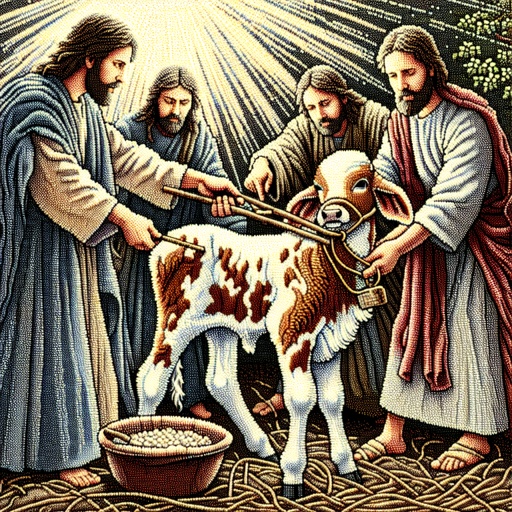
Luke 15:23

Luke 10:5

Luke 15:21

Luke 15:21

Luke 10:5

Luke 10:5

Luke 10:18-19

Luke 10:18-19

Luke 10:18-19

Luke 10:17-19

Luke 10:18-19

Luke 10:18-19

Luke 10:18-19

Luke 10:17-19

Luke 15: 4-7

Luke 11:14-15

Luke 21:15-19

Luke 19:10

Luke 2:10

Luke 10:27

Luke 15:11-32

Luke 12:10

Luke 17:10

Luke 15:15 - "And he went and joined himself to a citizen of that country; and he sent him into his fields to feed swine."