What does Luke 14:4 mean?
"And they held their peace. And he took him, and healed him, and let him go;" - Luke 14:4
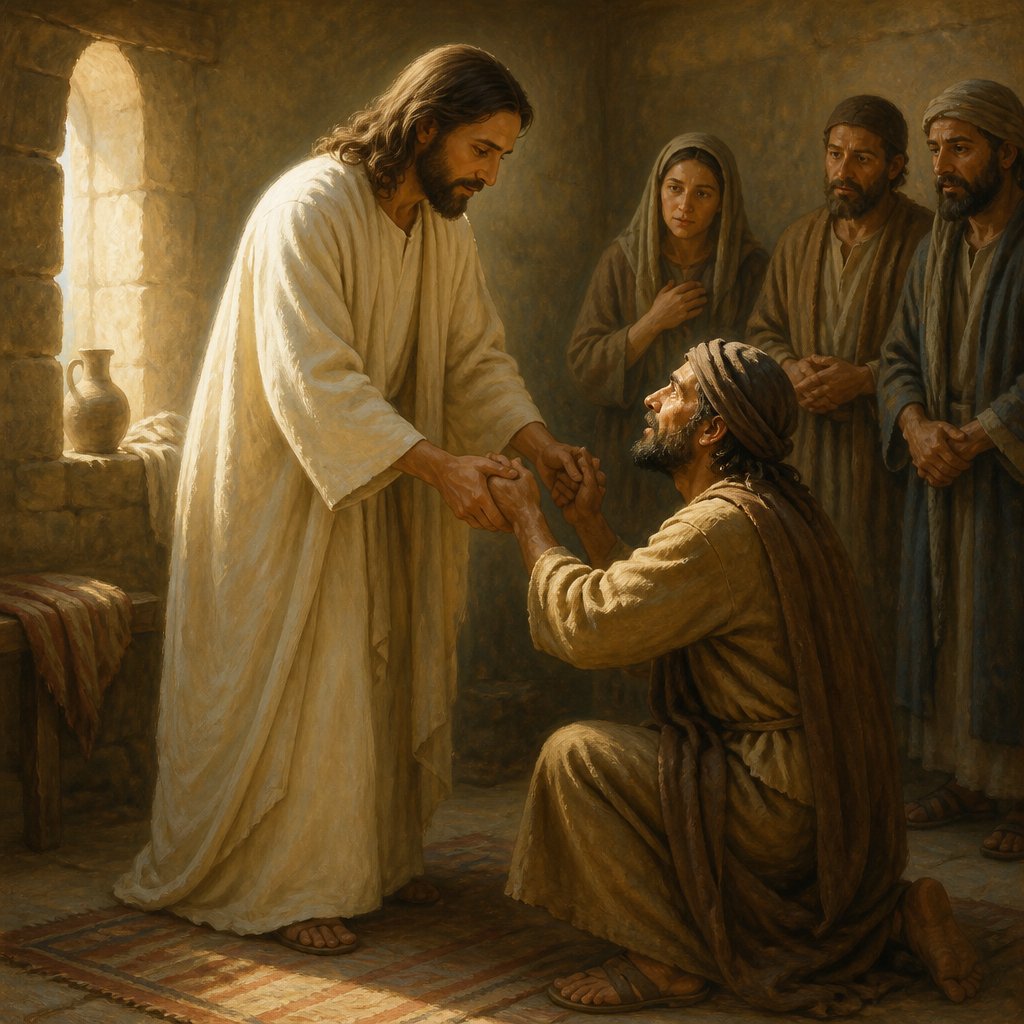
Luke 14:4 (KJV) reads: "And they held their peace. And he took him, and healed him, and let him go."
This verse is a part of a larger passage in the Gospel of Luke that details a conflict between Jesus and the Pharisees. In this passage, Jesus has been invited to the house of a prominent Pharisee to share a meal on the Sabbath. The Pharisees are watching him closely, looking for an opportunity to trap him in a violation of their understanding of the Sabbath law.
As Jesus enters the house, he sees a man suffering from dropsy—a condition characterized by abnormal swelling of the body due to the accumulation of fluid. The man is likely planted there by the Pharisees, as they are trying to see if Jesus will heal him on the Sabbath, which would be considered work and a violation of the law.
The Pharisees are silent, waiting to see what Jesus will do. The tension is palpable as the guests at the meal watch Jesus closely, eager to see if he will make a misstep.
In this context, Luke 14:4 carries great significance. When the verse says, "And they held their peace," it is describing the intense silence that falls over the room as everyone waits to see what Jesus will do. It is a moment of high stakes and great tension as Jesus is being scrutinized for his actions.
What happens next is a profound demonstration of Jesus' compassion and love for the sick and suffering. Despite the scrutiny and pressure he faces, Jesus takes the man who is suffering from dropsy, heals him, and lets him go. In doing so, Jesus not only heals the man but also challenges the legalistic and restrictive interpretation of the Sabbath law held by the Pharisees.
This verse captures the essence of Jesus' ministry—a ministry of healing, compassion, and defying the confines of legalism with the boundless love and mercy of God. The emphasis on Jesus' action of "taking" the man suggests an intimate engagement with the man's suffering, and his subsequent healing and release signifies the transformative power of Jesus' love.
The themes of healing, compassion, and the conflict between legalism and love are central to the message of this passage. Through his actions, Jesus challenges the rigid legalism of the religious leaders of his day and demonstrates the true spirit of God's law—the spirit of love, mercy, and compassion.
The symbolism in this verse is also profound. The moment of silence before Jesus acts represents the weight of the expectations and judgments that society places on individuals, as well as the intense pressure of adhering to religious laws and norms. Jesus' healing of the man with dropsy symbolizes the transformative power of God's love and the liberation from physical and spiritual afflictions.
Overall, Luke 14:4 in the KJV is a powerful encapsulation of Jesus' ministry and the central message of the Gospel—love, healing, and the liberation from legalistic constraints through the transformative power of God's mercy and compassion. It invites us to reflect on our own understanding of the law, and to consider how we can embody the spirit of love and compassion in our interactions with others.
Have questions about Luke 14:4?
Dive deeper into this scripture with Bible Chat — an AI-powered tool for exploring God's Word through conversation. Ask questions, get context, and grow in your understanding of the Bible.
Get Our Apps


Luke 14:4 Artwork

Luke 14:4 - "And they held their peace. And he took him, and healed him, and let him go;"
"And they held their peace. And he took him, and healed him, and let him go;" - Luke 14:4

Colossians 4:14 - "Luke, the beloved physician, and Demas, greet you."

Luke 4:14 - "¶ And Jesus returned in the power of the Spirit into Galilee: and there went out a fame of him through all the region round about."
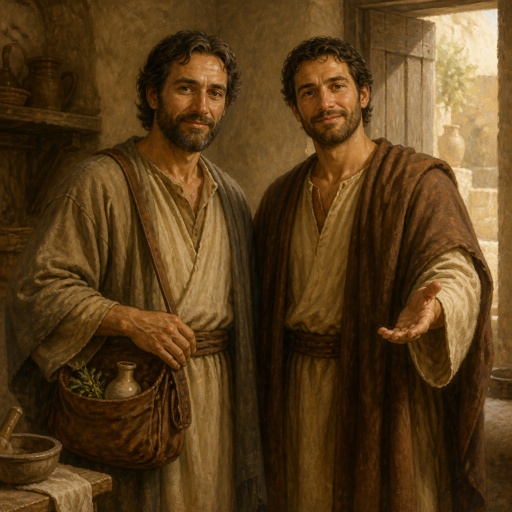
"Luke, the beloved physician, and Demas, greet you." - Colossians 4:14
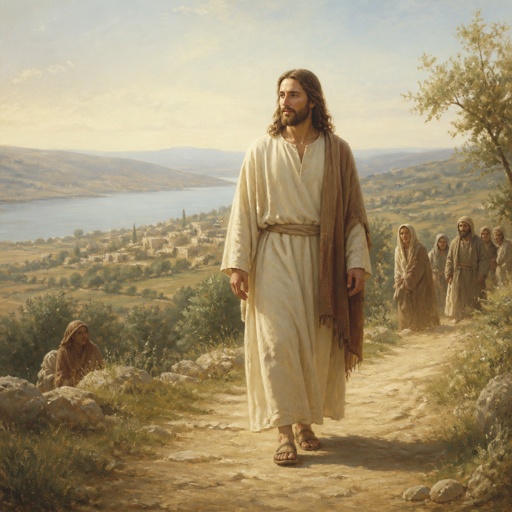
"¶ And Jesus returned in the power of the Spirit into Galilee: and there went out a fame of him through all the region round about." - Luke 4:14

Luke 14:14 - "And thou shalt be blessed; for they cannot recompense thee: for thou shalt be recompensed at the resurrection of the just."

Luke 11:14-15

Luke 18:9-14

Luke 11:1-14

Luke 14:25 - 33

Luke 11:1-14

Luke 2:13-14

Luke 18: 9-14

Luke 2:13-14

Luke 14:6 - "And they could not answer him again to these things."

Luke 4:29

Luke 4:18

luke 4:16

Luke 4:18

Luke 14:30 - "Saying, This man began to build, and was not able to finish."

Luke 24:14 - "And they talked together of all these things which had happened."

Luke 8:4-18

Luke 10:14 - "But it shall be more tolerable for Tyre and Sidon at the judgment, than for you."

Luke 14:2 - "And, behold, there was a certain man before him which had the dropsy."

Luke 15: 4-7

Luke 2:14 - "Glory to God in the highest, and on earth peace, good will toward men."

Luke 4:19 - "To preach the acceptable year of the Lord."

Luke 4:44 - "And he preached in the synagogues of Galilee."

Luke 14:22 - "And the servant said, Lord, it is done as thou hast commanded, and yet there is room."