What does Luke 14:24 mean?
"For I say unto you, That none of those men which were bidden shall taste of my supper." - Luke 14:24
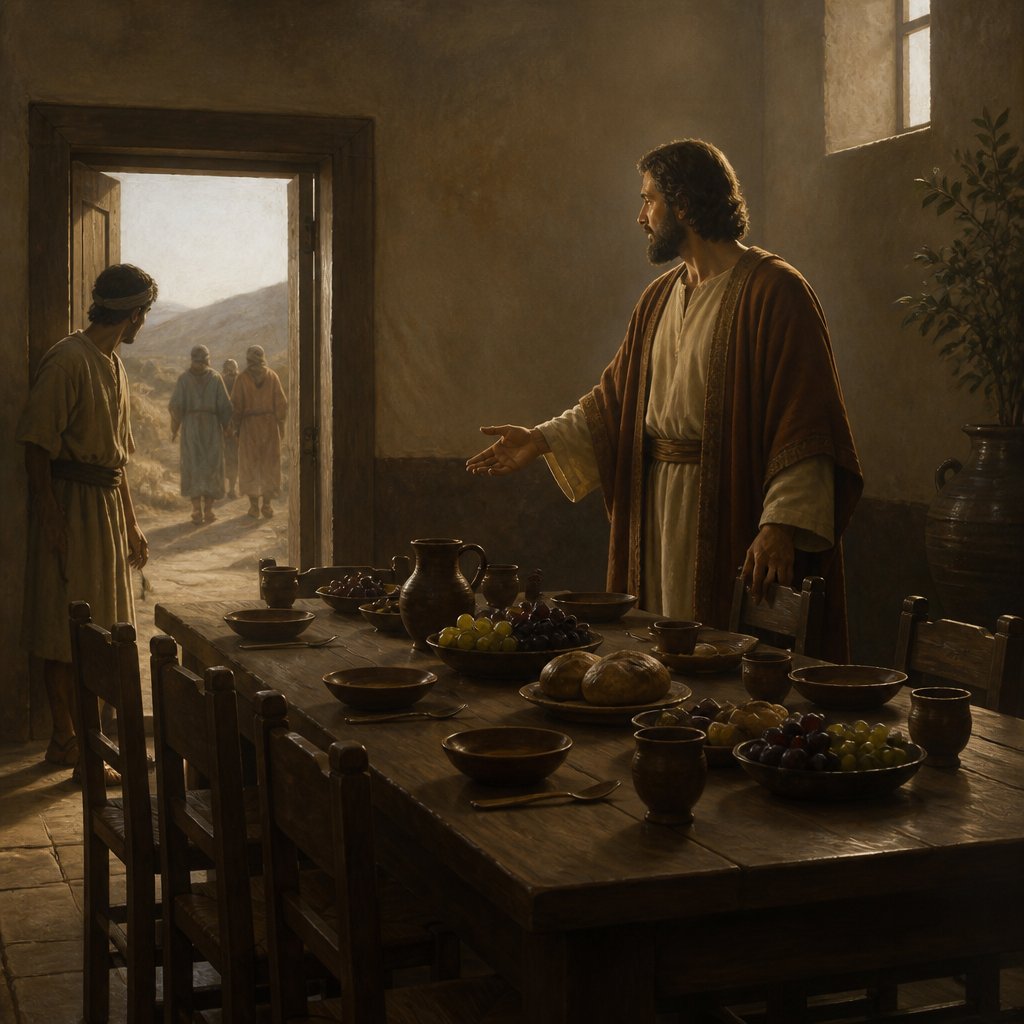
The Bible verse Luke 14:24 in the King James Version (KJV) reads, "For I say unto you, that none of those men which were bidden shall taste of my supper." This verse is part of a parable told by Jesus in which he uses the metaphor of a great supper to illustrate the concept of the kingdom of heaven and the invitation extended to all people to partake in it.
In the context of the larger passage, Jesus tells the parable of a man who prepared a great supper and invited many guests. However, when the time came for the feast, those who were invited began to make excuses for their absence. One had bought a piece of land and needed to go see it, another had bought oxen and needed to test them, and yet another had just gotten married, so they were unable to attend the feast. The host then became angry and instructed his servant to go out into the streets and lanes of the city and bring in the poor, the maimed, the halt, and the blind, so that his house would be filled. The servant obeyed and returned to inform his master that there was still room in the house. The master then sent him out into the highways and hedges to compel people to come in, so that his house may be filled. It is at this point in the parable that Jesus utters the words found in Luke 14:24.
Interpreting this verse requires an understanding of the broader themes and context of the entire passage. The parable illustrates the inclusivity of the kingdom of heaven, and the rejection of the initial invited guests symbolizes the rejection of Jesus by the religious elite of his time, particularly the Pharisees and the scribes. The poor, maimed, halt, and blind represent those who are typically excluded from society and marginalized, while the highways and hedges symbolize the furthest reaches of society. The invitation is extended to all, regardless of their social status or condition, emphasizing the universal nature of God's grace and mercy.
The phrase "none of those men which were bidden shall taste of my supper" reflects the consequences of rejecting the invitation to partake in the kingdom of heaven. These individuals who initially received the invitation, but made excuses and turned it down, will ultimately miss out on the blessings of God's kingdom. This serves as a warning of the potential consequences of rejecting the message of salvation and the call to enter into a relationship with God.
In a broader theological sense, this verse also points to the idea of judgment and accountability. Those who reject the invitation to the great supper will face the consequences of their rejection, missing out on the blessings and fellowship of God's kingdom. This aligns with the broader biblical theme of the judgment of the righteous and the unrighteous, as well as the concept of individual accountability before God.
In summary, Luke 14:24 in the King James Version conveys the message of the inclusivity and universality of the kingdom of heaven, the consequences of rejecting God's invitation, and the themes of judgment and accountability before God. It serves as a powerful reminder of the importance of responding to God's invitation with faith and obedience, and the potential consequences of rejecting His offer of grace and salvation.
Have questions about Luke 14:24?
Dive deeper into this scripture with Bible Chat — an AI-powered tool for exploring God's Word through conversation. Ask questions, get context, and grow in your understanding of the Bible.
Get Our Apps


Luke 14:24 Artwork

Luke 14:24 - "For I say unto you, That none of those men which were bidden shall taste of my supper."
"For I say unto you, That none of those men which were bidden shall taste of my supper." - Luke 14:24

Luke 24:14 - "And they talked together of all these things which had happened."
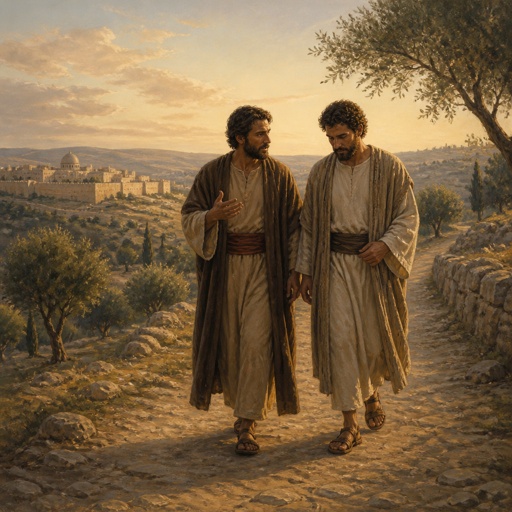
"And they talked together of all these things which had happened." - Luke 24:14

Luke 24:1

Luke 24:35

Luke 24:42

Luke 21:24

Luke 13:24

luke 24:17

Luke 24:8 - "And they remembered his words,"

Luke 24:13-35

LUKE 24:41-43

Luke 24:48 - "And ye are witnesses of these things."

Luke 24:24 - "And certain of them which were with us went to the sepulchre, and found it even so as the women had said: but him they saw not."

Luke 24:3 - "And they entered in, and found not the body of the Lord Jesus."

Luke 23:24 - "And Pilate gave sentence that it should be as they required."

Genesis 24-14

Luke 24:45 - "Then opened he their understanding, that they might understand the scriptures,"

Luke 24:52 - "And they worshipped him, and returned to Jerusalem with great joy:"

Luke 24:16 - "But their eyes were holden that they should not know him."

Luke 24:42 - "And they gave him a piece of a broiled fish, and of an honeycomb."

Luke 24:2 - "And they found the stone rolled away from the sepulchre."

Luke 24:43 - "And he took it, and did eat before them."

Luke 24:37 - "But they were terrified and affrighted, and supposed that they had seen a spirit."

Luke 24:53 - "And were continually in the temple, praising and blessing God. Amen."

Luke 24:11 - "And their words seemed to them as idle tales, and they believed them not."

Luke 24:34 - "Saying, The Lord is risen indeed, and hath appeared to Simon."

"And ye are witnesses of these things." - Luke 24:48
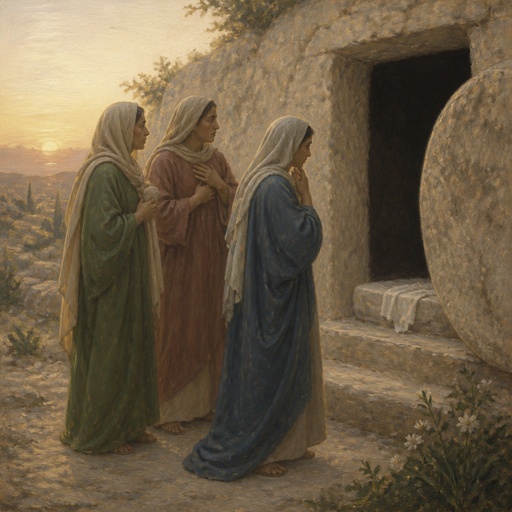
"And they remembered his words," - Luke 24:8