What does Luke 14:20 mean?
"And another said, I have married a wife, and therefore I cannot come." - Luke 14:20
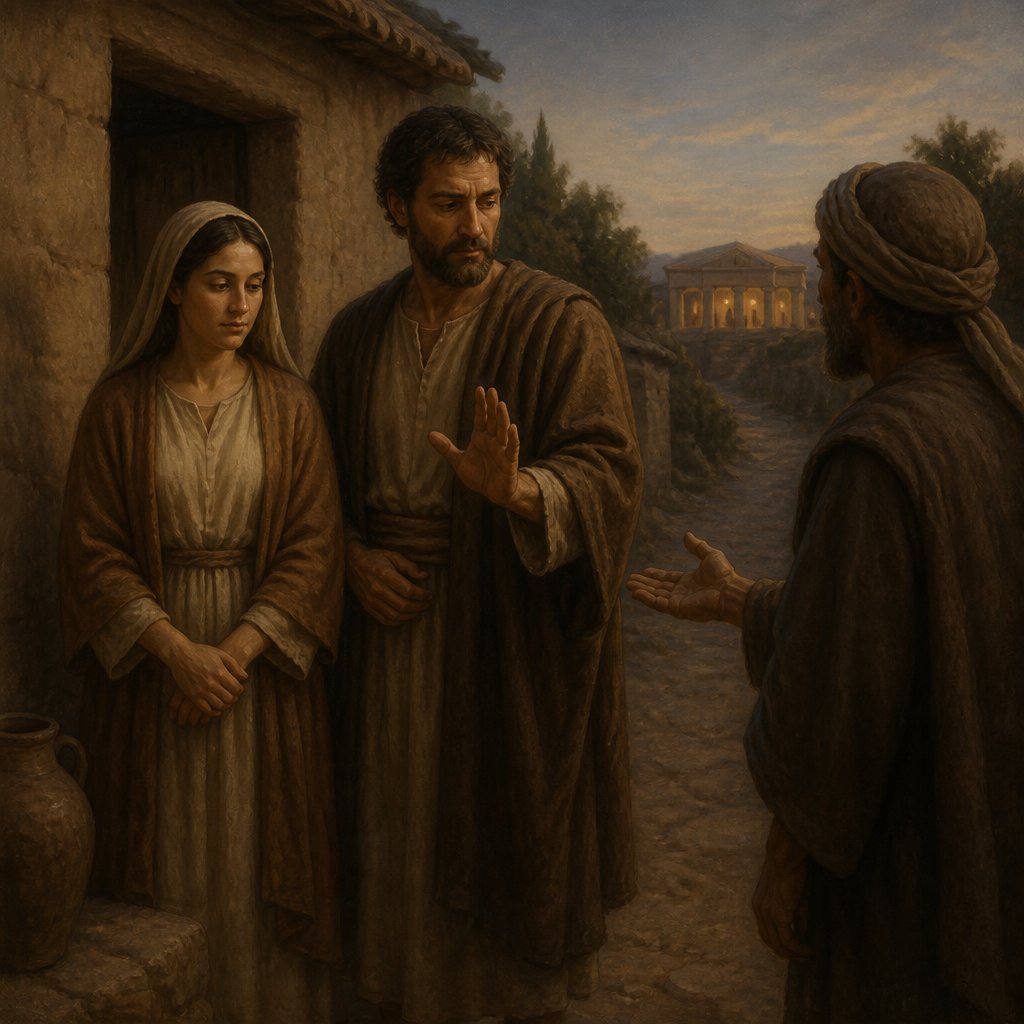
Luke 14:20 in the King James Version of the Bible reads: "And another said, I have married a wife, and therefore I cannot come." This verse is part of a parable told by Jesus in the Gospel of Luke, in which he speaks about a man who prepared a great supper and invited many guests. When the time for the supper came, the invited guests started making excuses for why they couldn't attend.
To understand the full meaning and significance of this verse, it's important to consider the broader context of the parable and to explore the themes and symbolism present in the text.
First, in the context of the parable in Luke 14, Jesus is using the metaphor of a great supper to illustrate the kingdom of God. The man who prepared the supper represents God, and the invited guests represent the people of Israel who were initially called to be a part of God's kingdom. However, when the time came for them to enter into this kingdom, they made excuses and failed to respond to the invitation. This reflects the rejection of Jesus and the message of the gospel by many of the Jewish people of Jesus' time.
The specific excuse given in Luke 14:20, "I have married a wife, and therefore I cannot come," reflects the idea of being preoccupied with earthly matters and priorities instead of responding to the call of God. In this case, the excuse of having just been married speaks to the idea of being consumed by personal interests and responsibilities, thereby neglecting the greater spiritual invitation to enter into God's kingdom. It demonstrates the way in which we can be distracted by the concerns of this world and fail to prioritize our relationship with God.
The use of the marriage metaphor in this verse also speaks to the broader theme of commitment and priorities. Marriage is meant to be a sacred and binding commitment, and in this context, the excuse of being married could be seen as a symbol of the things we prioritize above our relationship with God. Jesus' message here is a challenge to his audience to examine their priorities and to recognize the importance of responding to the call of God above all else.
Another layer of symbolism in this verse is the idea of invitation and inclusion. The parable as a whole emphasizes the inclusive nature of God's kingdom and the way in which the invitation is extended to all, irrespective of their status or background. The excuses given by the invited guests highlight the ways in which people can reject or overlook this inclusive invitation, ultimately missing out on the blessings and benefits of being part of God's kingdom.
In summary, Luke 14:20 is a verse that speaks to the themes of commitment, priorities, and the inclusive nature of God's kingdom. It serves as a reminder to consider our own priorities and to ensure that we are not allowing earthly concerns to distract us from our relationship with God. Moreover, it underscores the importance of responding to God's invitation and recognizing the inclusive nature of His kingdom. This verse provides a powerful message that is relevant for all believers, challenging us to examine our hearts and make sure that we are fully committed to embracing God's kingdom and responding to His call.
Have questions about Luke 14:20?
Dive deeper into this scripture with Bible Chat — an AI-powered tool for exploring God's Word through conversation. Ask questions, get context, and grow in your understanding of the Bible.
Get Our Apps


Luke 14:20 Artwork

Luke 14:20 - "And another said, I have married a wife, and therefore I cannot come."
"And another said, I have married a wife, and therefore I cannot come." - Luke 14:20

Luke 13:20-21

Luke 13:20-21

Luke 13:20-21

Luke 13:20-21
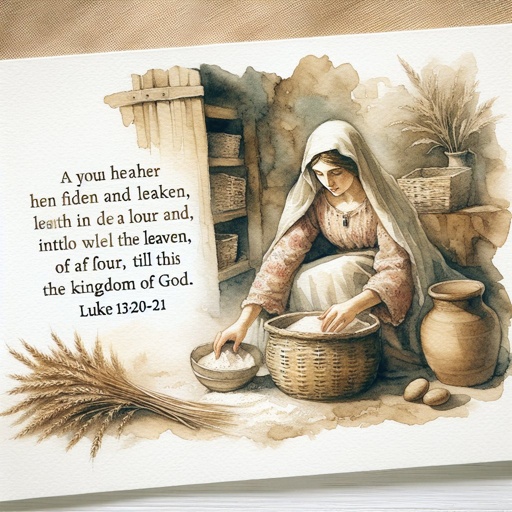
Luke 13:20-21

Luke 20:28

Luke 2:1-20

Luke 20:7 - "And they answered, that they could not tell whence it was."
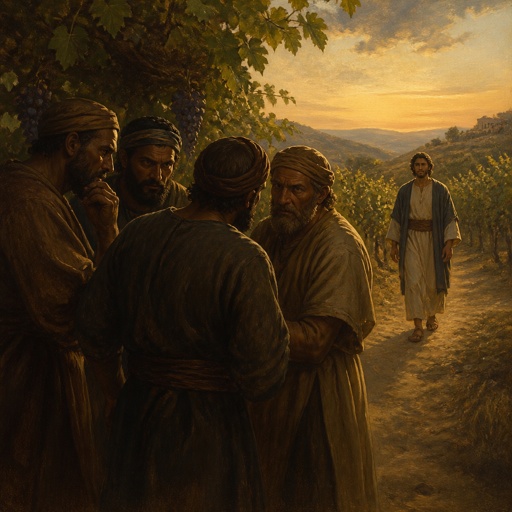
"But when the husbandmen saw him, they reasoned among themselves, saying, This is the heir: come, let us kill him, that the inheritance may be our's." - Luke 20:14

Luke 20:32 - "Last of all the woman died also."
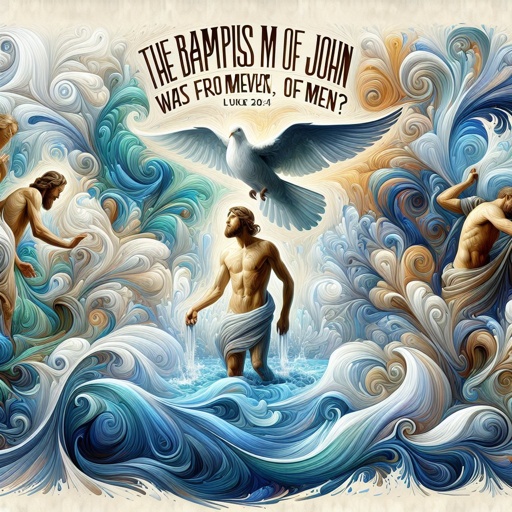
Luke 20:4 - "The baptism of John, was it from heaven, or of men?"

John 20:14

Exodus 20:14

Luke 14:14 - "And thou shalt be blessed; for they cannot recompense thee: for thou shalt be recompensed at the resurrection of the just."

Genesis 20-14

Luke 11:14-15

Luke 18:9-14

Luke 11:1-14

Luke 14:25 - 33

Luke 11:1-14

Luke 2:13-14

Luke 18: 9-14

Luke 2:13-14

Luke 20:22 - "Is it lawful for us to give tribute unto Caesar, or no?"
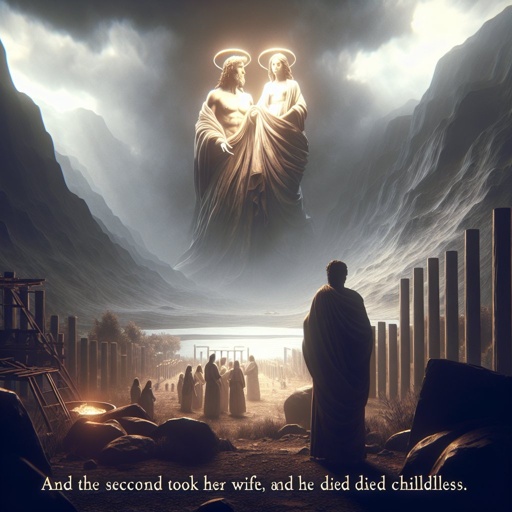
Luke 20:30 - "And the second took her to wife, and he died childless."

Luke 20:40 - "And after that they durst not ask him any question at all."

Luke 20:43 - "Till I make thine enemies thy footstool."

Luke 14:6 - "And they could not answer him again to these things."