What does Luke 14:12 mean?
"¶ Then said he also to him that bade him, When thou makest a dinner or a supper, call not thy friends, nor thy brethren, neither thy kinsmen, nor thy rich neighbours; lest they also bid thee again, and a recompence be made thee." - Luke 14:12
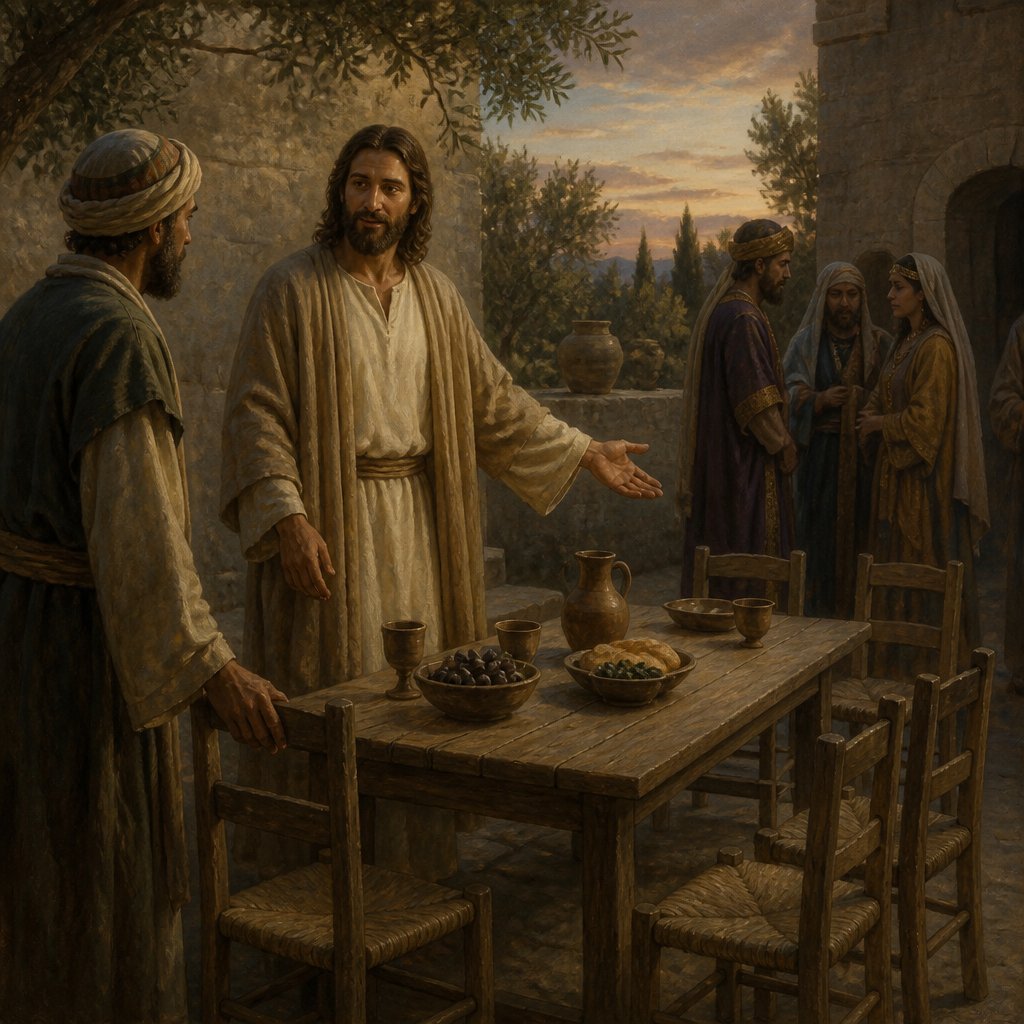
Luke 14:12 in the King James Version of the Bible reads, "Then said he also to him that bade him, When thou makest a dinner or a supper, call not thy friends, nor thy brethren, neither thy kinsmen, nor thy rich neighbours; lest they also bid thee again, and a recompence be made thee."
In this verse, Jesus is speaking to the host of a banquet or meal, advising them not to invite their friends, family, or wealthy neighbors when they entertain. The reason for this advice is that when you invite those who can easily repay you with their own invitations, there is no sacrifice involved. It is easy to be generous to those who can reciprocate, but true generosity is shown when we give to those who cannot repay us.
This verse encapsulates the theme of unconditional love and generosity. Jesus is urging his followers to be selfless and to give without expecting anything in return. This selfless love is a central theme throughout the Bible, as seen in verses such as John 15:13, "Greater love hath no man than this, that a man lay down his life for his friends." By encouraging his followers to extend hospitality to those who cannot repay them, Jesus is emphasizing the importance of sacrificial love and the true nature of generosity.
The context of this verse is important in understanding its significance. Jesus often used parables and teachings to convey deeper spiritual truths, and in this instance, he is addressing the broader concept of humility and the kingdom of God. The preceding verses in Luke 14 tell the story of Jesus attending a Sabbath meal at the home of a prominent Pharisee. Throughout the meal, Jesus observes the behavior of the other guests and offers teachings on humility and selflessness.
The symbolism in this verse is significant as well. The act of inviting those who are unable to repay the host represents the Christian value of caring for the poor and marginalized. It symbolizes the idea of reaching out to those in need and sharing God's love with all, regardless of social status or ability to reciprocate. This aligns with other biblical teachings on the importance of caring for the less fortunate, such as Proverbs 19:17, which states, "He that hath pity upon the poor lendeth unto the Lord, and that which he hath given will he pay him again."
Furthermore, the act of inviting those who cannot repay reflects the kind of love and generosity that God extends to us. God's love is unconditional and unmerited, and as his followers, we are called to reflect that same love and generosity to others. This verse serves as a reminder that our generosity should mirror God's grace, without expecting anything in return.
In conclusion, Luke 14:12 conveys a powerful message about selfless love, humility, and generosity. It teaches us to extend hospitality and kindness to those who cannot repay us, reflecting the unconditional love and grace of God. As followers of Christ, we are called to embody these principles in our own lives, extending God's love to all and serving those in need without expecting anything in return. Through this act of selfless giving, we can display the true nature of Christian love and reflect the character of our loving and generous God.
Have questions about Luke 14:12?
Dive deeper into this scripture with Bible Chat — an AI-powered tool for exploring God's Word through conversation. Ask questions, get context, and grow in your understanding of the Bible.
Get Our Apps


Luke 14:12 Artwork

Luke 14:12 - "¶ Then said he also to him that bade him, When thou makest a dinner or a supper, call not thy friends, nor thy brethren, neither thy kinsmen, nor thy rich neighbours; lest they also bid thee again, and a recompence be made thee."

Luke 14:12-14 - "Then Jesus said to his host, "When you give a luncheon or dinner, do not invite your friends, your brothers or sisters, your relatives, or your wealthy neighbors; if you do, they may invite you back and so you will be repaid. But when you give a banquet, invite the poor, the crippled, the lame, the blind, and you will be blessed. Although they cannot repay you, you will be repaid at the resurrection of the righteous."
"¶ Then said he also to him that bade him, When thou makest a dinner or a supper, call not thy friends, nor thy brethren, neither thy kinsmen, nor thy rich neighbours; lest they also bid thee again, and a recompence be made thee." - Luke 14:12
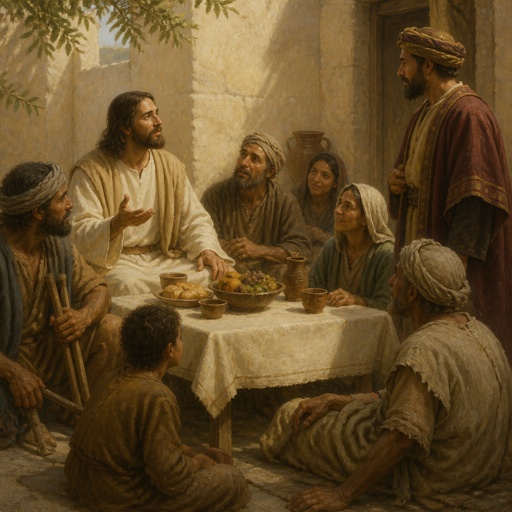
"Then Jesus said to his host, "When you give a luncheon or dinner, do not invite your friends, your brothers or sisters, your relatives, or your wealthy neighbors; if you do, they may invite you back and so you will be repaid. But when you give a banquet, invite the poor, the crippled, the lame, the blind, and you will be blessed. Although they cannot repay you, you will be repaid at the resurrection of the righteous." - Luke 14:12-14

Luke 12:14 - "And he said unto him, Man, who made me a judge or a divider over you?"
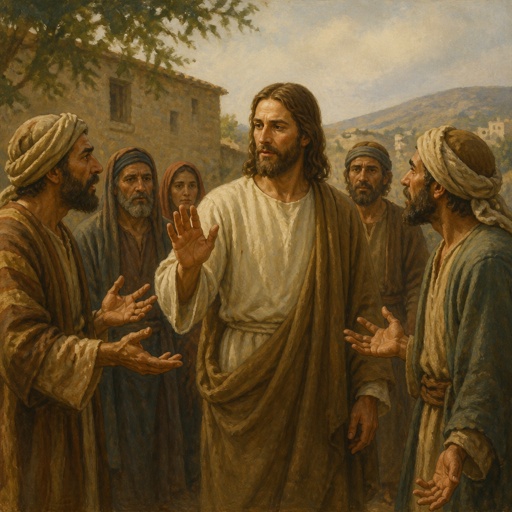
"And he said unto him, Man, who made me a judge or a divider over you?" - Luke 12:14

Luke 12:25

Luke 12:25

Luke 12: 49

Luke 12:34

Luke 12:10

Luke 12:50

Luke 17:12-14 - "As he was going into a village, ten men who had leprosy met him. They stood at a distance and called out in a loud voice, "Jesus, Master, have pity on us!" When he saw them, he said, "Go, show yourselves to the priests." And as they went, they were cleansed."

Luke 14:14 - "And thou shalt be blessed; for they cannot recompense thee: for thou shalt be recompensed at the resurrection of the just."

Luke 11:14-15

Luke 18:9-14

Luke 11:1-14

Luke 14:25 - 33

Luke 11:1-14

Luke 2:13-14

Luke 18: 9-14

Luke 2:13-14

Luke 12:12 - "For the Holy Ghost shall teach you in the same hour what ye ought to say."

1 cor 12:12-14

Luke 1:11-12

Luke 12:25-26

Luke 12:25-26

Luke 12:25-26

Luke 12:25-26

Luke 12:25-26