What does Luke 13:6 mean?
"¶ He spake also this parable; A certain man had a fig tree planted in his vineyard; and he came and sought fruit thereon, and found none." - Luke 13:6
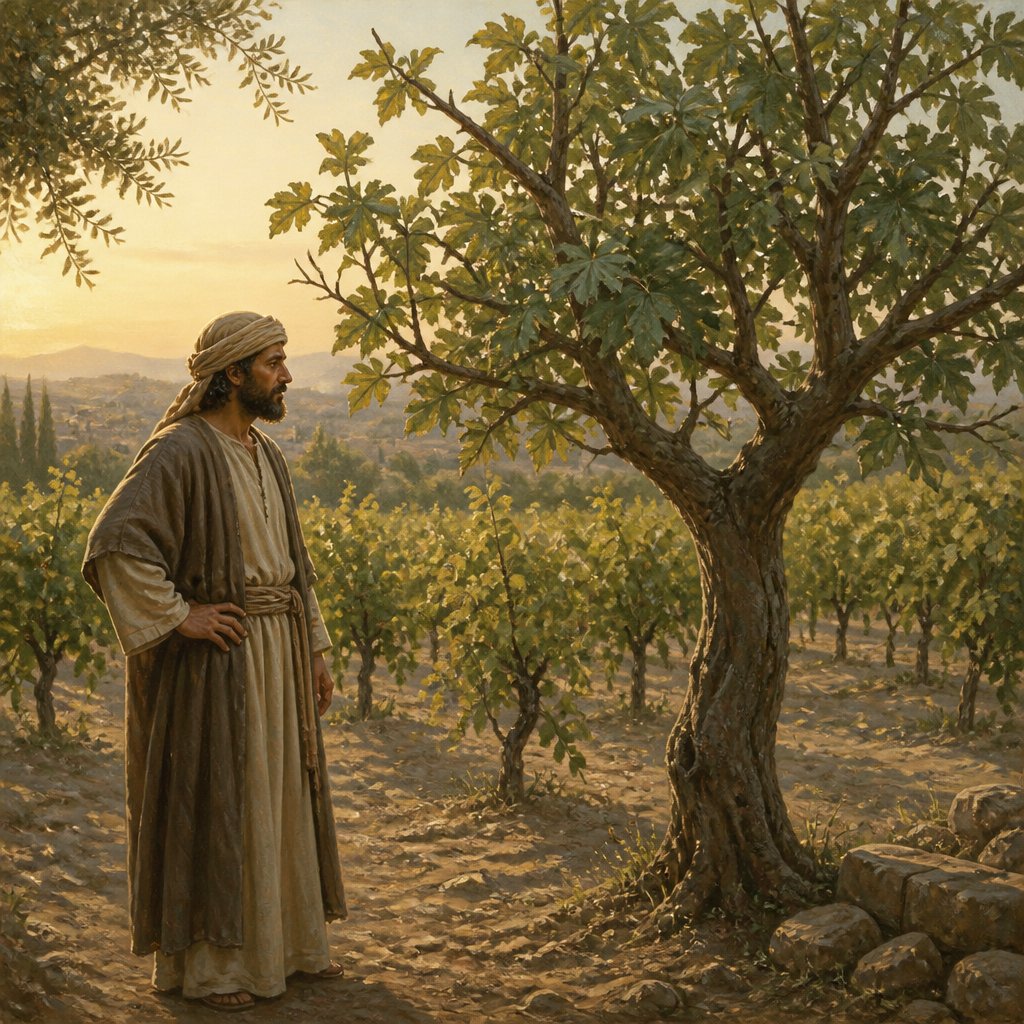
In the book of Luke, chapter 13, verse 6, Jesus tells a parable about a fig tree to emphasize the need for true repentance and fruitfulness in the lives of his followers. The verse in the King James Version (KJV) reads:
"He spake also this parable; A certain man had a fig tree planted in his vineyard; and he came and sought fruit thereon, and found none."
In this parable, the fig tree is a symbol of the people of Israel, God's chosen people, who have not produced the fruit of righteousness and obedience that God expects from them. The vineyard represents the nation of Israel, and the man who planted the fig tree is God, the ultimate caretaker and provider. The fact that the man has planted the fig tree in his vineyard indicates that God has placed his people in a position where they have every opportunity to produce fruit for him.
The lack of fruit on the fig tree represents the spiritual barrenness and unfaithfulness of the people of Israel, despite their privileged position as God's chosen people. The man's coming and seeking fruit from the tree reflects God's just and rightful expectation for his people to bear the fruit of righteousness, faith, and obedience to his commands. The fact that he found none demonstrates the spiritual bankruptcy and disobedience of the people, who have failed to live up to their covenant responsibilities.
The parable of the fig tree also serves as a warning to the people of Israel, as well as to all believers, about the consequences of unfruitfulness. In verse 7, the man in the parable tells the vinedresser to cut down the fig tree, as it is taking up space and not producing anything of value. This can be interpreted as a warning of imminent judgment and punishment for those who fail to bear fruit in their lives and show evidence of a genuine relationship with God. The message is clear: those who do not live in accordance with God's will and fail to bring forth good fruit will face the consequences of their actions.
The parable also highlights God's patience and mercy towards his people. While the fig tree has failed to produce fruit for three years, the man in the parable instructs the vinedresser to give it one more year, during which time he will cultivate and fertilize it, hoping that it will produce fruit in the future. This reflects God's desire for his people to repent and turn from their sinful ways, offering them the opportunity to change and bear fruit through his grace and forgiveness.
This parable also serves as a reminder of the importance of repentance and the need for individuals to examine their own lives and spiritual condition. It challenges believers to assess whether they are living lives pleasing to God, bearing the fruit of the Spirit, such as love, joy, peace, patience, kindness, goodness, faithfulness, gentleness, and self-control (Galatians 5:22-23). It urges believers to continually strive for spiritual growth and maturity, ensuring that their actions and attitudes align with God's will.
In conclusion, the parable of the fig tree in Luke 13:6-9 serves as a powerful and relevant message for believers today. It emphasizes the need for true repentance, spiritual fruitfulness, and obedience to God's commands. It warns of the consequences of unfruitfulness and calls for self-examination and genuine commitment to live in accordance with God's will. The parable also demonstrates God's patience and mercy, offering believers the opportunity to repent and bear the fruit of righteousness through his grace and forgiveness. It is a timeless and timeless message that continues to challenge and inspire believers to live lives that honor and glorify God.
Have questions about Luke 13:6?
Dive deeper into this scripture with Bible Chat — an AI-powered tool for exploring God's Word through conversation. Ask questions, get context, and grow in your understanding of the Bible.
Get Our Apps


Luke 13:6 Artwork

Luke 13:6-9

Luke 13:6 - "¶ He spake also this parable; A certain man had a fig tree planted in his vineyard; and he came and sought fruit thereon, and found none."

Luke 13:6-9 - "He also spoke this parable: “A certain man had a fig tree planted in his vineyard, and he came seeking fruit on it and found none. Then he said to the keeper of his vineyard, ‘Look, for three years I have come seeking fruit on this fig tree and find none. Cut it down; why does it use up the ground?’ But he answered and said to him, ‘Sir, let it alone this year also, until I dig around it and fertilize it. And if it bears fruit, well. But if not, after that you can cut it down.’"
"¶ He spake also this parable; A certain man had a fig tree planted in his vineyard; and he came and sought fruit thereon, and found none." - Luke 13:6
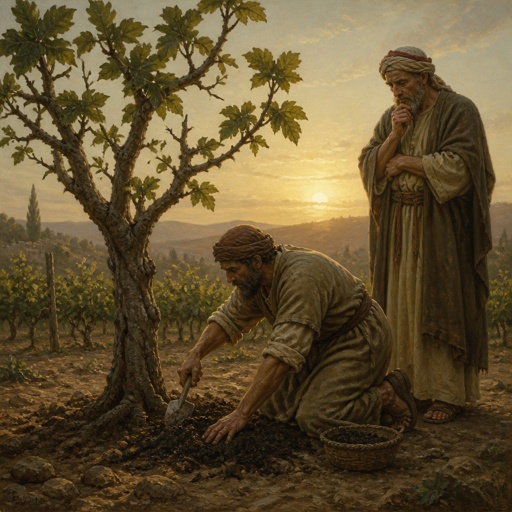
"He also spoke this parable: “A certain man had a fig tree planted in his vineyard, and he came seeking fruit on it and found none. Then he said to the keeper of his vineyard, ‘Look, for three years I have come seeking fruit on this fig tree and find none. Cut it down; why does it use up the ground?’ But he answered and said to him, ‘Sir, let it alone this year also, until I dig around it and fertilize it. And if it bears fruit, well. But if not, after that you can cut it down.’" - Luke 13:6-9
Luke 6:13 - "¶ And when it was day, he called unto him his disciples: and of them he chose twelve, whom also he named apostles;"

Luke 13:18-19

Luke 13:20-21

Luke 13:20-21

Luke 13:18-19
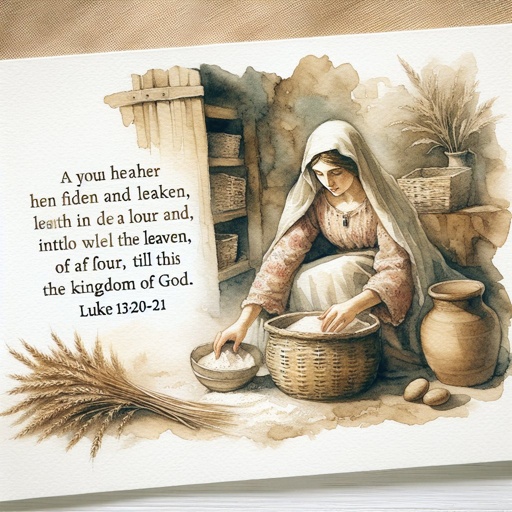
Luke 13:20-21

Luke 13:20-21

Luke 13:20-21

Luke 1:13

Luke 1:13

Luke 8:13

Luke 13:24

Luke 8:13

Luke 1:13

Luke 1:13

Luke 8:13

Luke 6

Luke 1:13

Luke 2:13

Luke 1:13

Luke 13:13 - "And he laid his hands on her: and immediately she was made straight, and glorified God."

Luke 2:13-14

Luke 16:1-13

Luke 2:13-14

luke 6:30