What does Luke 13:27 mean?
"But he shall say, I tell you, I know you not whence ye are; depart from me, all ye workers of iniquity." - Luke 13:27

The verse Luke 13:27 in the King James Version of the Bible states: "But he shall say, I tell you, I know you not whence ye are; depart from me, all ye workers of iniquity."
This verse is part of a passage in which Jesus is speaking to a crowd and warning them about the consequences of not following him. The verse is set within a larger context of Jesus addressing the crowd about repentance and the need for all people to turn away from sin and follow him in order to inherit eternal life. In this passage, Jesus is emphasizing the importance of genuine faith and obedience to God's will.
The theme of this verse is the inevitability of judgment for those who live in defiance of God's commands and reject his offer of salvation. Jesus' words are a sobering reminder that there will come a time when those who have chosen to live in opposition to God will be separated from him and cast out. The language and tone used by Jesus in this verse convey a sense of finality and decisiveness, as he makes it clear that those who persist in their sinful ways will not be welcomed into his kingdom.
The symbolic significance of this verse lies in the contrast between those who are deemed "workers of iniquity" and those who are faithful followers of Jesus. It underscores the idea that there are two distinct paths in life—one that leads to eternal separation from God, and one that leads to eternal life in his presence. The verse serves as a warning to those who continue in their rebellion against God, and as an encouragement for believers to remain steadfast in their faith and obedience.
The broader cultural and historical context of this passage is important to understanding the significance of Jesus' words. At the time when Jesus spoke these words, the Jewish people were living under Roman occupation and were subjected to oppressive political and religious authorities. Many people were searching for hope and liberation from their circumstances, and Jesus offered them the promise of a new kingdom and a new way of living.
The passage also has relevance for contemporary believers, as it speaks to the universal human condition of sin and the need for redemption. It challenges all people to examine their own lives and consider whether they are living in accordance with God's will or following their own selfish desires. The verse reminds us that there are consequences for our choices and actions, and that we are ultimately accountable to God for how we live our lives.
In conclusion, Luke 13:27 is a powerful and sobering verse that illustrates the stark contrast between those who follow Jesus and those who persist in sin and rebellion. It conveys a sense of urgency and importance, calling people to turn away from their sinful ways and embrace the salvation offered by Jesus. The verse serves as a timeless reminder of the need for repentance and faith, and the consequences of rejecting God's offer of grace. It challenges us to consider the state of our own hearts and to strive for lives that are pleasing to God.
Have questions about Luke 13:27?
Dive deeper into this scripture with Bible Chat — an AI-powered tool for exploring God's Word through conversation. Ask questions, get context, and grow in your understanding of the Bible.
Get Our Apps


Luke 13:27 Artwork

Luke 13:27 - "But he shall say, I tell you, I know you not whence ye are; depart from me, all ye workers of iniquity."

"But he shall say, I tell you, I know you not whence ye are; depart from me, all ye workers of iniquity." - Luke 13:27

Luke 13:28-27

Luke 13:28-27

Luke 13:28-27

luke 1:27

luke 6: 27

Luke 10:27

Luke 6: 27-38

Luke 6:27-38

Luke 13:18-19

Luke 13:20-21

Luke 13:18-19

Luke 13:20-21
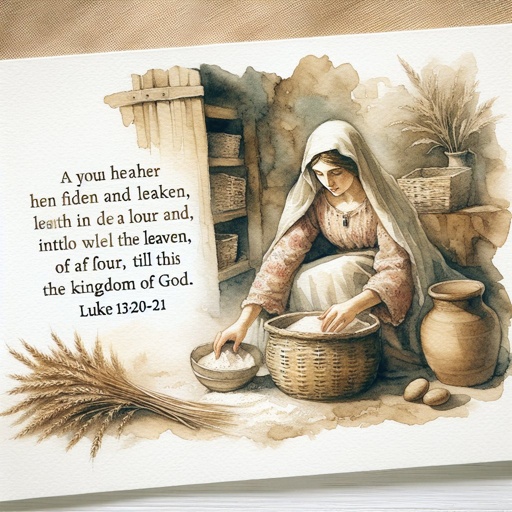
Luke 13:20-21

Luke 13:20-21

Luke 13:20-21

Luke 18:27 - "And he said, The things which are impossible with men are possible with God."

Psalm 27:13-14

Luke 21:27 - "And then shall they see the Son of man coming in a cloud with power and great glory."

Luke 8:13

Luke 1:13

Luke 1:13

Luke 8:13

Luke 13:24

Luke 1:13

Luke 8:13

Luke 1:13

Luke 1:13

Luke 2:13