What does Luke 13:10 mean?
"And he was teaching in one of the synagogues on the sabbath." - Luke 13:10
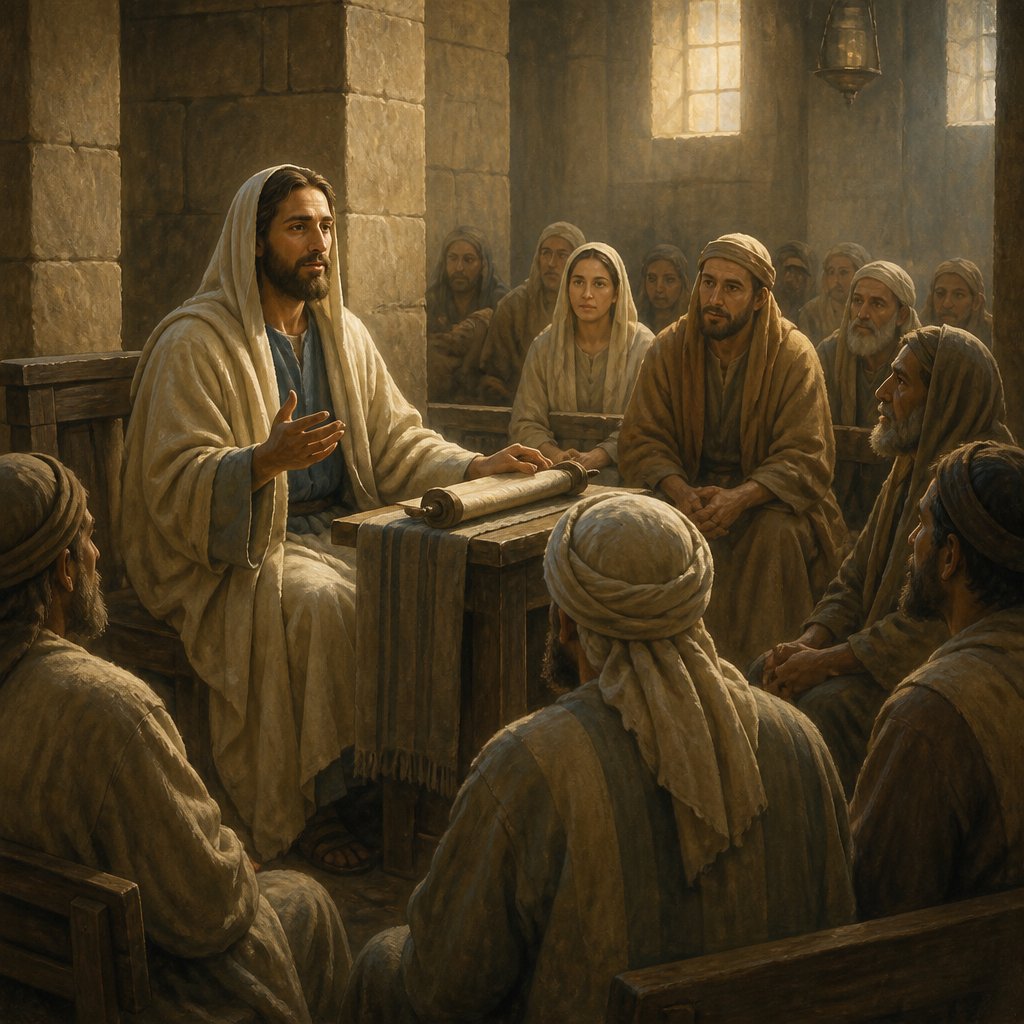
The Bible verse Luke 13:10 tells the story of Jesus healing a woman who had been bent over for 18 years. The verse reads: "And he was teaching in one of the synagogues on the sabbath." We can find deeper meaning in this verse by delving into its context, themes, and symbolism.
First, it's important to understand the historical and cultural context in which this verse takes place. During the time of Jesus, it was common for people to gather in synagogues on the Sabbath day to hear teachings and participate in worship. The Sabbath was a sacred day of rest and reflection for the Jewish people, and it was during this time that Jesus often chose to teach and perform miracles.
In this particular instance, Jesus is teaching in a synagogue when he notices a woman who has been crippled and bent over for nearly two decades. The verse does not specify the nature of her condition, but it's clear that she has been suffering for a long time. It's significant that Jesus encounters this woman in a place of worship, as it emphasizes the importance of compassion and healing within the context of religious communities.
One of the central themes of this verse is the healing power of Jesus. Throughout the Gospels, we see Jesus perform many miracles, including healing the sick, casting out demons, and even raising the dead. These miraculous acts serve as evidence of Jesus' divinity and his capacity for compassion and mercy. In this particular story, Jesus demonstrates his ability to heal not only physical ailments, but also the spiritual and emotional burdens that come with years of suffering.
Another important theme in this verse is the idea of restoration and liberation. When Jesus sees the woman in the synagogue, he calls her over and declares, "Woman, thou art loosed from thine infirmity." By healing her physical affliction, Jesus also frees her from the bondage of her condition. This act of liberation is symbolic of the broader message of Jesus' ministry, which is to bring freedom and wholeness to all who are oppressed and suffering.
Symbolism is also present in this verse, particularly in the woman's physical condition. Her bent-over posture can be seen as symbolic of the burden and oppression that she has endured for so many years. In ancient Jewish culture, physical ailments were often thought to be the result of spiritual or moral failings. By healing this woman, Jesus challenges these assumptions and demonstrates that compassion and grace take precedence over judgment and condemnation.
Additionally, the fact that this healing takes place on the Sabbath is significant. In Jewish tradition, the Sabbath was a day of rest and reflection, but it was also a time when people sought spiritual healing and renewal. By performing this miracle on the Sabbath, Jesus emphasizes the importance of compassion and mercy, even on the holiest of days.
In conclusion, Luke 13:10 is a powerful and evocative verse that contains rich themes of healing, liberation, and compassion. It reminds us of Jesus' miraculous abilities and his relentless pursuit of justice and mercy for the suffering and oppressed. It also challenges us to consider the ways in which we can extend compassion and healing to those in need, particularly within the context of our religious communities. Ultimately, this verse serves as a powerful reminder of the transformative and restorative power of Jesus' love.
Have questions about Luke 13:10?
Dive deeper into this scripture with Bible Chat — an AI-powered tool for exploring God's Word through conversation. Ask questions, get context, and grow in your understanding of the Bible.
Get Our Apps


Luke 13:10 Artwork

Luke 13:10 - "And he was teaching in one of the synagogues on the sabbath."
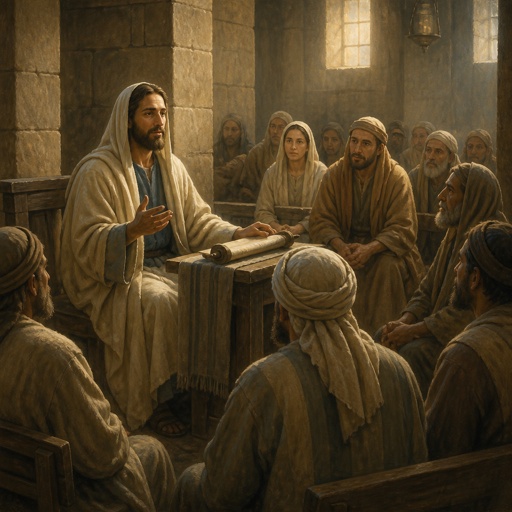
"And he was teaching in one of the synagogues on the sabbath." - Luke 13:10

Luke 10:13 - "Woe unto thee, Chorazin! woe unto thee, Bethsaida! for if the mighty works had been done in Tyre and Sidon, which have been done in you, they had a great while ago repented, sitting in sackcloth and ashes."

Luke 13:18-19

Luke 13:20-21

Luke 13:20-21

Luke 13:18-19

Luke 13:20-21

Luke 13:20-21

Luke 13:20-21

Luke 10:5

Luke 10:5

Luke 10:5

Luke 1:13

Luke 1:13

Luke 8:13

Luke 13:24

Luke 8:13

Luke 1:13

Luke 1:13

Luke 8:13

Luke 10:18-19

Luke 10:18-19

Luke 10:18-19

Luke 10:17-19

Luke 1:13

Luke 2:13

Luke 1:13

Luke 10:18-19

Luke 10:18-19