What does Luke 12:9 mean?
"But he that denieth me before men shall be denied before the angels of God." - Luke 12:9
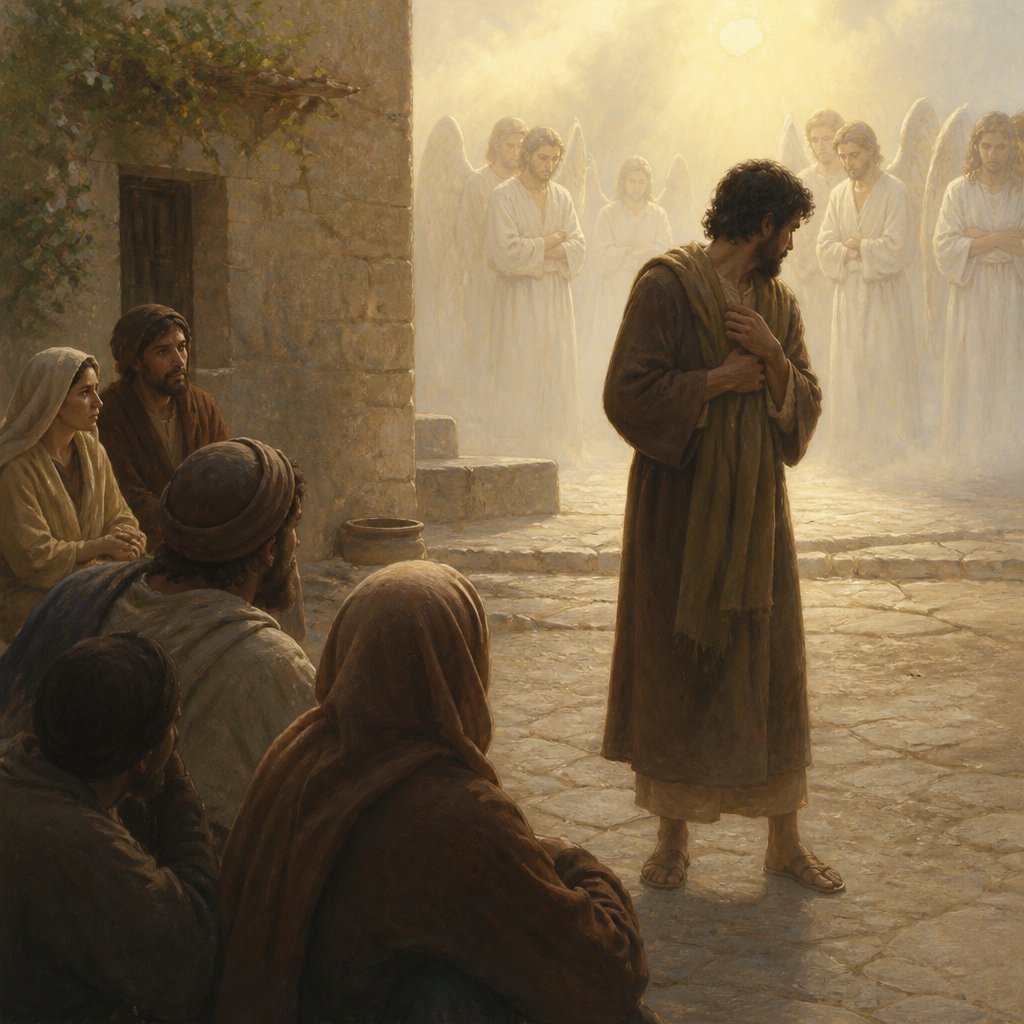
The Bible verse Luke 12:9 in the King James Version (KJV) states, "But he that denieth me before men shall be denied before the angels of God." This verse is part of a larger passage in which Jesus is addressing his disciples, warning them about the consequences of denying him before others. In order to fully understand the meaning and significance of this verse, it is important to consider the context in which it appears, as well as the themes and symbolism it conveys.
In the preceding verses, Jesus is instructing his disciples about the persecution and opposition they will face as followers of him. He tells them not to fear those who can kill the body, but rather to fear God who has the power to cast them into hell. This sets the stage for the warning in Luke 12:9, in which Jesus emphasizes the importance of being bold and unashamed in their confession of him before others. This verse serves as a reminder of the serious consequences of denying Christ, as it will result in being denied before the angels of God.
One of the key themes of Luke 12:9 is the concept of faithfulness and loyalty to Christ. The act of denying Christ before others represents a betrayal of one's allegiance to him. This betrayal has serious spiritual consequences, as it results in being denied before the angels of God. This verse serves as a sobering reminder of the high cost of denying Christ and the importance of remaining steadfast in one's faith, even in the face of persecution and opposition.
Another central theme of this verse is the concept of accountability before God. The phrase "before the angels of God" highlights the idea that all of our actions, including our confession of faith, are ultimately accountable to God. This verse reinforces the biblical teaching that our words and actions have eternal significance and that we will be called to account for them before God.
Symbolically, the act of denying Christ before men represents a turning away from the truth and a rejection of the gospel message. It is a betrayal of the foundational beliefs of Christianity and a departure from the faith. The consequences of being denied before the angels of God serve as a powerful symbol of the ultimate judgment and separation from God that results from denying Christ.
In addition to its thematic and symbolic significance, Luke 12:9 also carries practical implications for Christians today. It serves as a challenge to remain steadfast in our confession of Christ, even in the face of opposition or persecution. This verse reminds us of the importance of openly professing our faith and not being ashamed to identify ourselves as followers of Christ. It also serves as a warning against the temptation to compromise our faith for the approval of others, reminding us that the cost of denying Christ is ultimately too high.
In conclusion, Luke 12:9 in the King James Version conveys a powerful message about the significance of confessing and remaining loyal to Christ. It emphasizes the importance of faithfulness and accountability before God, while also serving as a reminder of the serious consequences of denying Christ. This verse carries important implications for believers today, challenging us to remain unashamed in our confession of Christ and steadfast in our faith, even in the face of opposition.
Have questions about Luke 12:9?
Dive deeper into this scripture with Bible Chat — an AI-powered tool for exploring God's Word through conversation. Ask questions, get context, and grow in your understanding of the Bible.
Get Our Apps


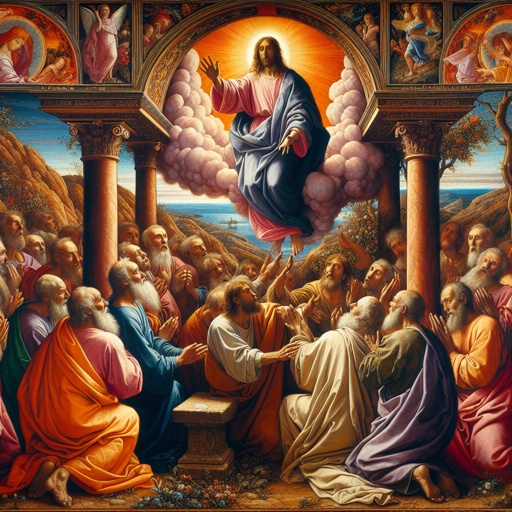
Luke 12:9 Artwork

Luke 12:9 - "But he that denieth me before men shall be denied before the angels of God."
"But he that denieth me before men shall be denied before the angels of God." - Luke 12:9
Luke 9:12 - "And when the day began to wear away, then came the twelve, and said unto him, Send the multitude away, that they may go into the towns and country round about, and lodge, and get victuals: for we are here in a desert place."

Luke 12:25

Luke 12:25

Luke 12: 49

Luke 12:34

Luke 12:10

Luke 12:50
Luke 11:9

luke 9:30

luke 9:35

luke 9:35

Luke 9:51

Luke 11:9

Luke 12:12 - "For the Holy Ghost shall teach you in the same hour what ye ought to say."

Luke 1:11-12

Luke 12:25-26

Luke 12:25-26

Luke 12:25-26

Luke 12:25-26

Luke 12:25-26
Luke 12:25-26

Luke 1:11-12

Luke 12:25-26

Luke 1:11-12

Luke 1:11-12

Luke 9:54-55

Luke 18:9-14

Luke 9:28-45