What does Luke 12:55 mean?
"And when ye see the south wind blow, ye say, There will be heat; and it cometh to pass." - Luke 12:55
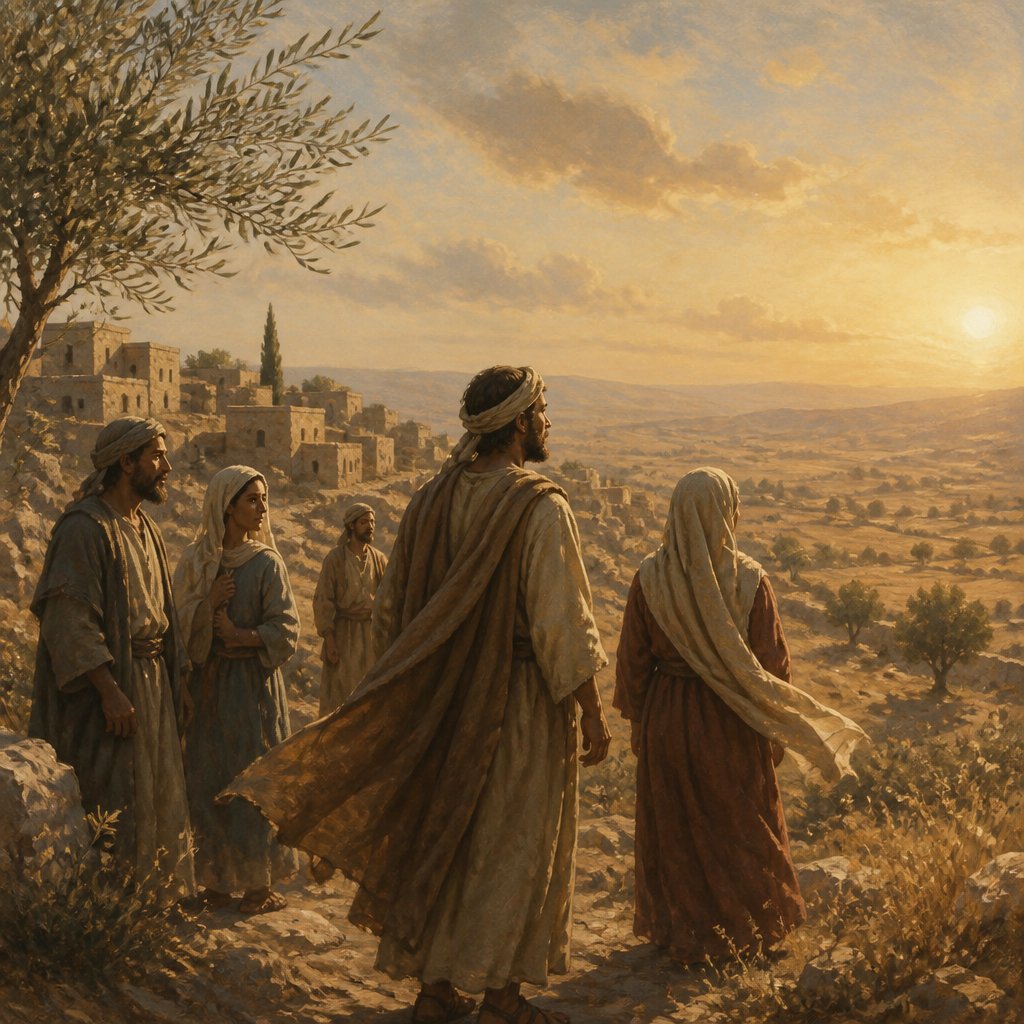
Luke 12:55 from the King James Version of the Bible reads, "And when ye see the south wind blow, ye say, There will be heat; and it cometh to pass." This verse is from the teachings of Jesus, who was addressing a crowd of his disciples and followers. In this verse, Jesus is using the observation of weather patterns to make a larger point about the need for people to discern the signs of the times and act accordingly.
The verse is situated in a larger passage in which Jesus is addressing the crowd about the importance of understanding the present time and making choices that align with God's will. In the preceding verses, Jesus talks about the ability to interpret the appearance of the earth and the sky, but the crowd's inability to interpret the present time. He urges them to set their hearts on treasures in heaven and to be ready for the coming of the Son of Man.
The theme of discerning the signs of the times is central to the message of this verse. Jesus uses the example of predicting the weather to show how people are capable of observing and interpreting natural signs, but fail to discern the spiritual signs of the times. He is calling the people to pay attention to the signs around them and to respond appropriately to the present time.
The context of this verse is important for understanding its meaning. Jesus is addressing a crowd of people who are living in a time of great political and social unrest. The Jewish people were living under Roman occupation, and there was a growing sense of anticipation for the coming of a Messiah who would deliver them from their oppressors. Jesus is urging his followers to recognize that the signs of the times are pointing to the fulfillment of God's promises and the imminent coming of the Son of Man.
The symbolism in this verse lies in the contrast between the physical signs of the south wind blowing and the spiritual signs of the times. The south wind was associated with heat and dryness, so when people observed it blowing, they could predict that there would be hot weather. In the same way, Jesus is urging his followers to be able to discern the signs of the times and understand what actions are required of them. The symbolism of the south wind blowing represents the need for people to be attentive and responsive to the spiritual signs around them.
The verse also carries a message about the importance of being prepared and responsive to the present time. In the same way that people prepare for the heat that comes with the south wind, Jesus is urging his followers to be spiritually prepared for the coming of the Son of Man. This message of preparedness and responsiveness to the present time is a central theme in the teachings of Jesus.
In conclusion, Luke 12:55 from the King James Version of the Bible conveys a message about the need for people to discern the signs of the times and respond appropriately. The verse is situated in a larger passage in which Jesus urges his followers to be spiritually prepared for the coming of the Son of Man. The context of political and social unrest, along with the symbolism of the south wind blowing, underscores the urgency of being attentive and responsive to the present time. The verse carries a timeless message about the importance of discernment, preparedness, and responsiveness to the signs of the times.
Have questions about Luke 12:55?
Dive deeper into this scripture with Bible Chat — an AI-powered tool for exploring God's Word through conversation. Ask questions, get context, and grow in your understanding of the Bible.
Get Our Apps


Luke 12:55 Artwork

Luke 12:55 - "And when ye see the south wind blow, ye say, There will be heat; and it cometh to pass."
"And when ye see the south wind blow, ye say, There will be heat; and it cometh to pass." - Luke 12:55

Luke 9:54-55

Luke 1:54-55

Luke 1:55 - "As he spake to our fathers, to Abraham, and to his seed for ever."

Luke 9:55 - "But he turned, and rebuked them, and said, Ye know not what manner of spirit ye are of."

Luke 8:55 - "And her spirit came again, and she arose straightway: and he commanded to give her meat."

Luke 23:55 - "And the women also, which came with him from Galilee, followed after, and beheld the sepulchre, and how his body was laid."

Luke 22:55 - "And when they had kindled a fire in the midst of the hall, and were set down together, Peter sat down among them."

"As he spake to our fathers, to Abraham, and to his seed for ever." - Luke 1:55
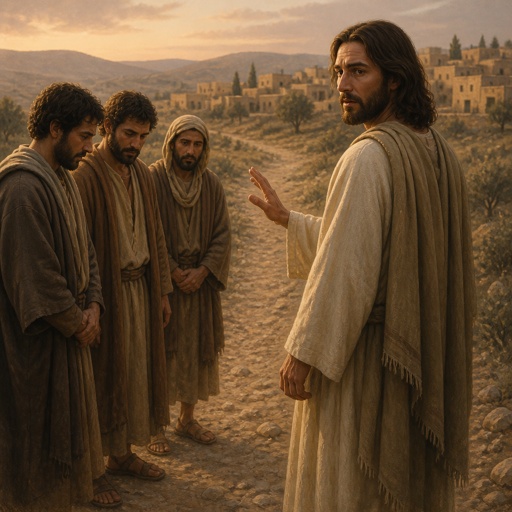
"But he turned, and rebuked them, and said, Ye know not what manner of spirit ye are of." - Luke 9:55

Psalms 55:12 - "For it was not an enemy that reproached me; then I could have borne it: neither was it he that hated me that did magnify himself against me; then I would have hid myself from him:"

Luke 23:55-56 - "The women who had come with Jesus from Galilee followed Joseph and saw the tomb and how his body was laid in it. Then they went home and prepared spices and perfumes. But they rested on the Sabbath in obedience to the commandment."
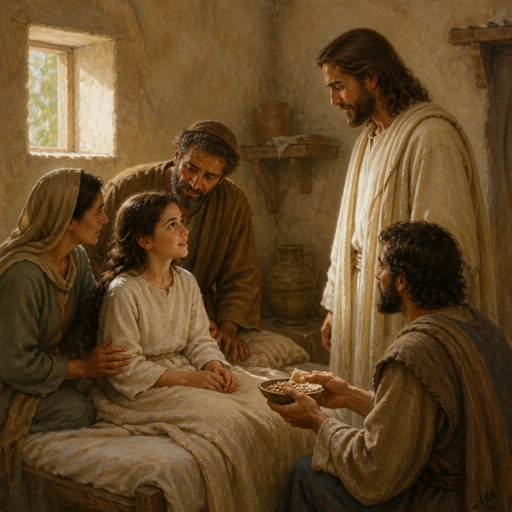
"And her spirit came again, and she arose straightway: and he commanded to give her meat." - Luke 8:55

Isaiah 55:12 - "For ye shall go out with joy, and be led forth with peace: the mountains and the hills shall break forth before you into singing, and all the trees of the field shall clap their hands."
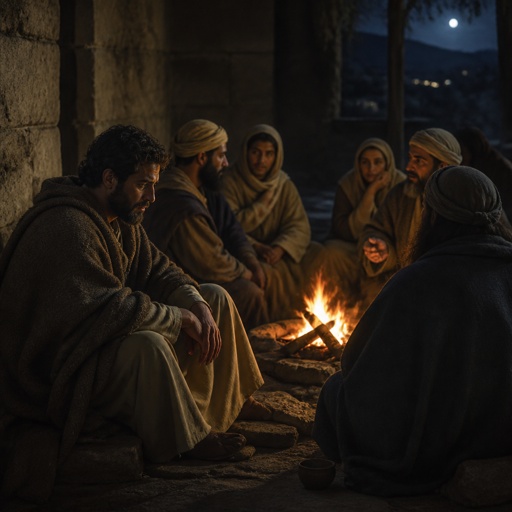
"And when they had kindled a fire in the midst of the hall, and were set down together, Peter sat down among them." - Luke 22:55
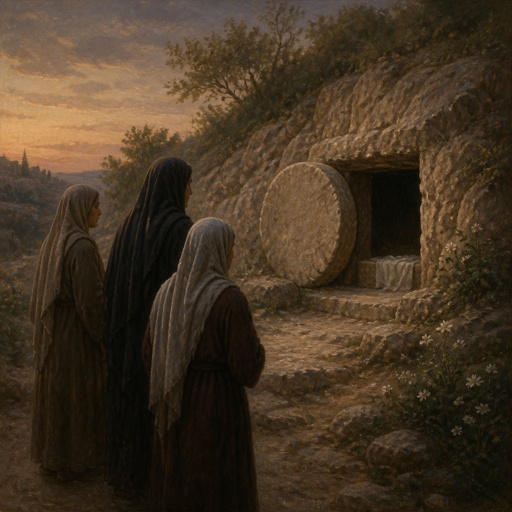
"And the women also, which came with him from Galilee, followed after, and beheld the sepulchre, and how his body was laid." - Luke 23:55

Luke 12:25

Luke 12:25

Luke 12: 49

Luke 12:34

Luke 12:10

Luke 12:50

Luke 12:12 - "For the Holy Ghost shall teach you in the same hour what ye ought to say."

Luke 1:11-12

Luke 12:25-26

Luke 12:25-26

Luke 12:25-26

Luke 12:25-26
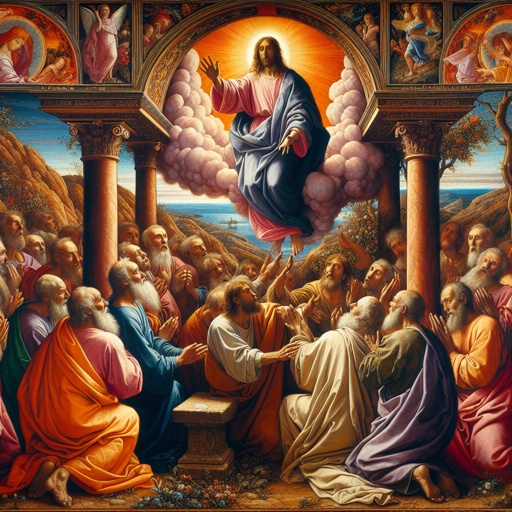
Luke 12:25-26