What does Luke 12:39 mean?
"And this know, that if the goodman of the house had known what hour the thief would come, he would have watched, and not have suffered his house to be broken through." - Luke 12:39
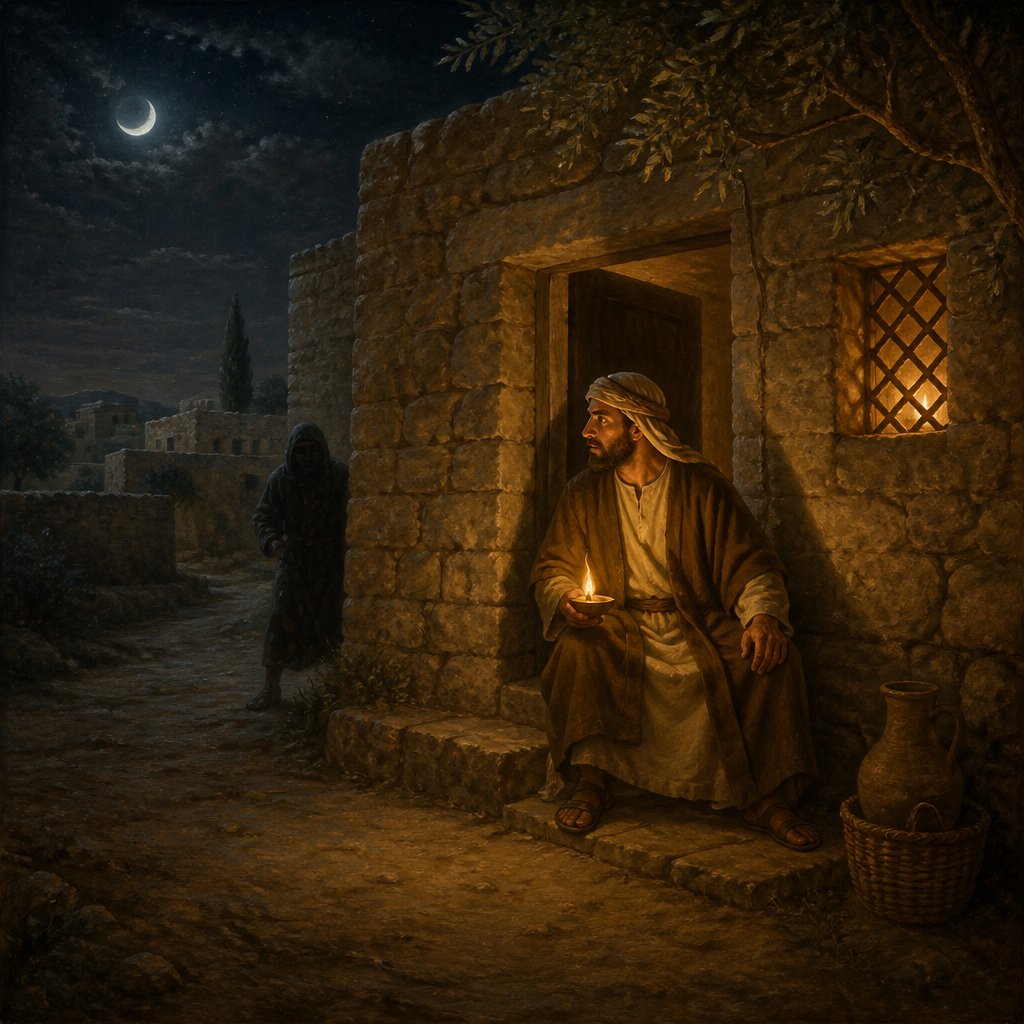
Luke 12:39 (KJV) states, "And this know, that if the goodman of the house had known what hour the thief would come, he would have watched, and not have suffered his house to be broken through." This verse is part of a larger passage in which Jesus is teaching his disciples about the importance of being ready for the second coming of the Son of Man.
In this verse, Jesus uses the analogy of a thief breaking into a house to emphasize the importance of being prepared and watchful at all times. The "goodman of the house" refers to the owner or head of the household, and the "thief" represents the unexpected and sudden return of Jesus. The imagery of a thief coming in the night is a common biblical metaphor for the unexpected and sudden return of Christ, as referenced in other passages such as 1 Thessalonians 5:2.
The verse conveys the idea that if the owner of the house had known when the thief was coming, he would have taken measures to protect his home and prevent the theft. Similarly, Jesus is urging his followers to be spiritually alert and prepared for his return so that they will not be caught off guard.
The underlying theme of this verse is the importance of vigilance and readiness for the return of Jesus. Throughout the New Testament, there are numerous exhortations for believers to be watchful, sober, and prepared for the coming of the Lord. This verse serves as a reminder that the exact timing of Christ's return is unknown, and therefore, it is crucial for believers to be constantly vigilant and spiritually prepared.
The context of this verse is significant in understanding its meaning. In the preceding verses, Jesus tells a parable about a servant who is left in charge of his master's household. The servant is blessed if he is found faithfully carrying out his duties when the master returns, but he will be punished if he becomes complacent and neglects his responsibilities. Jesus then uses the analogy of a thief breaking into a house to reinforce the importance of being alert and watchful for the sudden return of the Son of Man.
Symbolically, the "thief" represents the unexpected and sudden return of Jesus, while the "goodman of the house" symbolizes the believer who must be prepared for this event. The house being "broken through" signifies the potential spiritual harm and unpreparedness that can result from not being spiritually vigilant.
Overall, Luke 12:39 (KJV) carries a powerful message about the need for believers to be watchful and spiritually prepared for the return of Jesus. The analogy of the thief breaking into a house underscores the urgency and unpredictability of Christ's second coming, emphasizing the need for constant vigilance and readiness. This verse serves as a call to action for believers to remain spiritually awake and alert, continually living in a state of readiness for the imminent return of their Lord.
Have questions about Luke 12:39?
Dive deeper into this scripture with Bible Chat — an AI-powered tool for exploring God's Word through conversation. Ask questions, get context, and grow in your understanding of the Bible.
Get Our Apps


Luke 12:39 Artwork

Luke 12:39 - "And this know, that if the goodman of the house had known what hour the thief would come, he would have watched, and not have suffered his house to be broken through."
"And this know, that if the goodman of the house had known what hour the thief would come, he would have watched, and not have suffered his house to be broken through." - Luke 12:39

Luke 5:39

Luke 22:39

Luke 1:39

Luke 22:39

Luke 1:39 - 45

Genesis 39:12

Genesis 39:6-12

Luke 20:39 - "¶ Then certain of the scribes answering said, Master, thou hast well said."

Exodus 39:12 - "And the third row, a ligure, an agate, and an amethyst."

Luke 1:39 - "And Mary arose in those days, and went into the hill country with haste, into a city of Juda;"

Mark 12:39 - "And the chief seats in the synagogues, and the uppermost rooms at feasts:"

John 12:39 - "Therefore they could not believe, because that Esaias said again,"

Luke 19:39 - "And some of the Pharisees from among the multitude said unto him, Master, rebuke thy disciples."

Luke 5:39 - "No man also having drunk old wine straightway desireth new: for he saith, The old is better."

Luke 10:39 - "And she had a sister called Mary, which also sat at Jesus' feet, and heard his word."

Luke 23:39 - "¶ And one of the malefactors which were hanged railed on him, saying, If thou be Christ, save thyself and us."

Luke 6:39 - "And he spake a parable unto them, Can the blind lead the blind? shall they not both fall into the ditch?"

Luke 22:39 - "¶ And he came out, and went, as he was wont, to the mount of Olives; and his disciples also followed him."

Luke 2:39 - "And when they had performed all things according to the law of the Lord, they returned into Galilee, to their own city Nazareth."

Luke 4:39 - "And he stood over her, and rebuked the fever; and it left her: and immediately she arose and ministered unto them."

Ezekiel 39:12 - "And seven months shall the house of Israel be burying of them, that they may cleanse the land."

1 Chronicles 12:39 - "And there they were with David three days, eating and drinking: for their brethren had prepared for them."

"And the third row, a ligure, an agate, and an amethyst." - Exodus 39:12

Job 39:12 - "Wilt thou believe him, that he will bring home thy seed, and gather it into thy barn?"

Luke 24:39 - "Behold my hands and my feet, that it is I myself: handle me, and see; for a spirit hath not flesh and bones, as ye see me have."

Luke 9:39 - "And, lo, a spirit taketh him, and he suddenly crieth out; and it teareth him that he foameth again, and bruising him hardly departeth from him."

"And the chief seats in the synagogues, and the uppermost rooms at feasts:" - Mark 12:39

Luke 11:39 - "And the Lord said unto him, Now do ye Pharisees make clean the outside of the cup and the platter; but your inward part is full of ravening and wickedness."