What does Luke 12:25-26 mean?
"25 And which of you with taking thought can add to his stature one cubit? 26 If ye then be not able to do that thing which is least, why take ye thought for the rest?" - Luke 12:25-26

Luke 12:25-26 (KJV) says, "And which of you with taking thought can add to his stature one cubit? If ye then be not able to do that thing which is least, why take ye thought for the rest?"
This verse is part of a larger passage in which Jesus is teaching his disciples about worry and anxiety. He begins by reminding them that life is more than food and the body is more than clothing. He then uses the example of the ravens and the lilies, showing that God provides for them and therefore will provide for his people as well. In these verses, he suggests that worrying does not add anything to one's life, and in fact, it is futile to worry about such things.
The central theme of this passage is trust in God's providence. Jesus is telling his disciples not to worry about the basic necessities of life because God will provide for their needs. He emphasizes the futility of worry by pointing out that worrying cannot add a single hour to one's life or change one's physical stature. This teaching is echoed in Matthew 6:25-34, where Jesus tells his followers to seek first the kingdom of God and trust that their needs will be provided for.
The context of this verse is important to understanding its full significance. Jesus is addressing a crowd of people, including his disciples, who are worried about their daily needs. In the larger cultural and historical context, this teaching is particularly relevant. In ancient Israel, many people lived in poverty and struggled to provide for themselves and their families. Jesus is speaking directly to their concerns, offering them hope and reassurance.
The symbolism in these verses is rich and speaks to the fundamental truth of human existence. The imagery of the ravens and the lilies, as well as the reference to adding a cubit to one's stature, all serve as powerful symbols of God's provision and the futility of worry. The ravens and lilies are examples of God's care for the natural world, and by extension, for humanity. They do not toil or worry, yet they are provided for by God. The reference to adding a cubit to one's stature speaks to the human desire for control and self-sufficiency, highlighting the absurdity of worrying about things that are ultimately beyond our control.
This passage also has a strong ethical dimension. Jesus' teaching on trust and providence challenges his followers to live lives of faith and reliance on God. It calls into question the values of a materialistic and consumerist society, urging a simpler and more trusting approach to life. By emphasizing the futility of worry, Jesus encourages his disciples to prioritize their spiritual well-being and trust in God's care.
In conclusion, Luke 12:25-26 (KJV) offers a powerful and timely message about trust in God's providence and the futility of worry. In a world filled with uncertainty and anxiety, Jesus' teaching is a source of hope and reassurance. It challenges us to reevaluate our priorities and trust in God's care for our daily needs. As we grapple with the challenges of life, this passage reminds us to seek first the kingdom of God and trust that our needs will be provided for.
Have questions about Luke 12:25-26?
Dive deeper into this scripture with Bible Chat — an AI-powered tool for exploring God's Word through conversation. Ask questions, get context, and grow in your understanding of the Bible.
Get Our Apps


Luke 12:25-26 Artwork
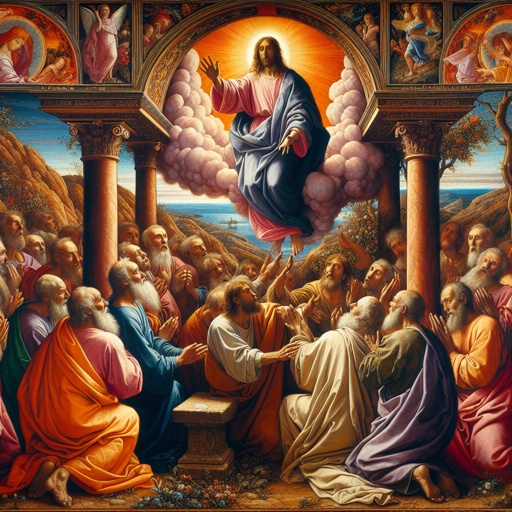
Luke 12:25-26

Luke 12:25-26

Luke 12:25-26

Luke 12:25-26

Luke 12:25-26

Luke 12:25-26

Luke 12:25-26

Luke 12:25-26 - "Who of you by worrying can add a single hour to your life? Since you cannot do this very little thing, why do you worry about the rest?"

"Who of you by worrying can add a single hour to your life? Since you cannot do this very little thing, why do you worry about the rest?" - Luke 12:25-26

Luke 12:25

Luke 12:25

Luke 12:25 - "And which of you with taking thought can add to his stature one cubit?"

Luke 12:26 - "If ye then be not able to do that thing which is least, why take ye thought for the rest?"

"And which of you with taking thought can add to his stature one cubit?" - Luke 12:25

"If ye then be not able to do that thing which is least, why take ye thought for the rest?" - Luke 12:26

Matthew 26:25

Genesis 26:25

Genesis 25-26

luke 1:26

luke 1:26

Luke 1:26

Luke 1:25

Luke 1:25

Luke 1:25

Psalm 73:25-26

Psalm 73:25-26

Luke 1:25

Luke 1:25

Luke 16:22-26

Luke 6:21-26