What does Luke 12:24 mean?
"Consider the ravens: for they neither sow nor reap; which neither have storehouse nor barn; and God feedeth them: how much more are ye better than the fowls?" - Luke 12:24
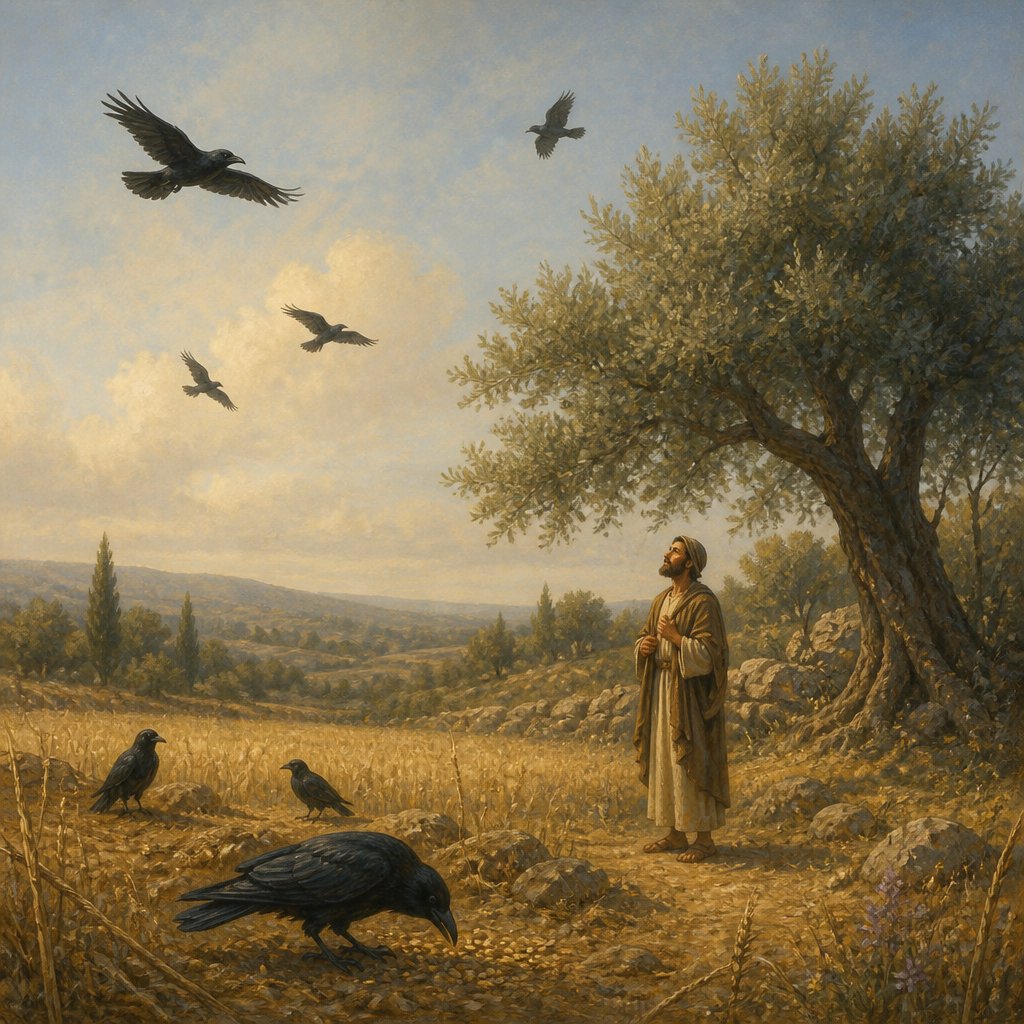
Luke 12:24 (KJV) says, "Consider the ravens: for they neither sow nor reap; which neither have storehouse nor barn; and God feedeth them: how much more are ye better than the fowls?"
This verse is part of a larger passage in which Jesus is teaching his disciples about the importance of trusting in God for their material needs. He begins by urging them not to worry about their lives, what they will eat or drink, or about their bodies, what they will wear. He tells them that life is more than food, and the body more than clothing. Jesus then points to the birds in the air and the lilies in the field as examples of God's provision for even the smallest and seemingly insignificant creatures. He then asks his disciples, "How much more are ye better than the fowls?" This verse is a powerful reminder to trust in God's providence and to seek first the kingdom of God, knowing that all our needs will be provided for.
One of the main themes of this verse is the concept of God as the provider. Jesus uses the example of the ravens, which do not engage in agricultural activities such as sowing and reaping, to illustrate how God takes care of the natural world. The fact that the ravens do not have storehouses or barns suggests that God provides for them directly and immediately. Jesus is using this example to encourage his disciples to have faith that God will also provide for their needs, even though they may not see where their provision is coming from at the moment. This theme of God's provision is a central tenet of the Christian faith, and this verse serves as a powerful reminder to trust in God's care and provision.
Another important theme in this verse is the idea of human worth and value. Jesus asks his disciples, "How much more are ye better than the fowls?" This rhetorical question is meant to emphasize the value and worth of human beings in the eyes of God. While the ravens are indeed cared for by God, Jesus is reminding his disciples that they are of infinitely greater value to God. This reinforces the idea of God's love and concern for each individual person, and the importance of trusting in God's care and provision.
The context of this verse is also significant. In the preceding verses, Jesus has been addressing the issue of greed and materialism. He tells a parable about a rich man who hoards his wealth and ultimately dies, leaving his riches behind. Jesus warns his disciples against being consumed by the desire for material possessions, and instead encourages them to seek God's kingdom above all else. This verse serves as a continuation of that teaching, as Jesus emphasizes the fleeting nature of material wealth and the importance of trusting in God's provision.
In addition to its themes and context, this verse also contains symbolic elements. The ravens in this verse serve as a symbol of God's care for all of creation. Ravens were often associated with hunger and poverty in ancient times, and yet Jesus uses them as an example of God's provision. This serves as a powerful symbol of God's ability to provide for even the most seemingly insignificant and overlooked creatures. The contrast between the ravens and the disciples also serves as a symbolic reminder of the value and worth of human life in the eyes of God.
In conclusion, Luke 12:24 (KJV) is a powerful and thought-provoking verse that encourages trust in God's provision and reminds us of the value and worth of each individual. Its themes of God's care, human worth, and the fleeting nature of material possessions make it a timeless and relevant teaching for followers of Jesus. This verse challenges us to reevaluate our priorities, to trust in God's care and to seek first the kingdom of God.
Have questions about Luke 12:24?
Dive deeper into this scripture with Bible Chat — an AI-powered tool for exploring God's Word through conversation. Ask questions, get context, and grow in your understanding of the Bible.
Get Our Apps


Luke 12:24 Artwork

Luke 12:24 - "Consider the ravens: for they neither sow nor reap; which neither have storehouse nor barn; and God feedeth them: how much more are ye better than the fowls?"

Luke 12:24-27 - "Consider the ravens: They do not sow or reap, they have no storeroom or barn; yet God feeds them. And how much more valuable you are than birds! Who of you by worrying can add a single hour to your life? Since you cannot do this very little thing, why do you worry about the rest? Consider how the wild flowers grow. They do not labor or spin. Yet I tell you, not even Solomon in all his splendor was dressed like one of these."
"Consider the ravens: for they neither sow nor reap; which neither have storehouse nor barn; and God feedeth them: how much more are ye better than the fowls?" - Luke 12:24
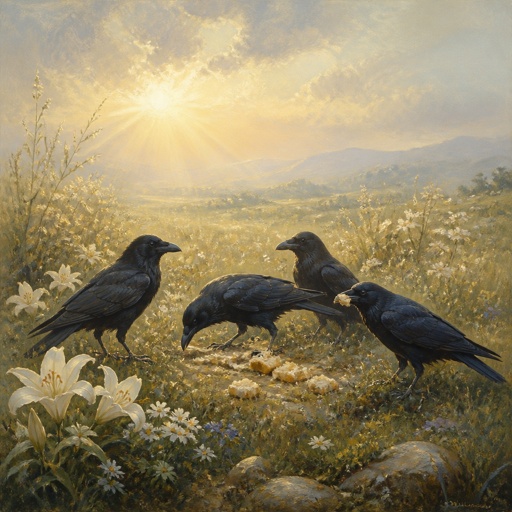
"Consider the ravens: They do not sow or reap, they have no storeroom or barn; yet God feeds them. And how much more valuable you are than birds! Who of you by worrying can add a single hour to your life? Since you cannot do this very little thing, why do you worry about the rest? Consider how the wild flowers grow. They do not labor or spin. Yet I tell you, not even Solomon in all his splendor was dressed like one of these." - Luke 12:24-27

James 1:2-4

James 1: 2-4

Joel 1:2-4, 13-20

Luke 24:12 - "Then arose Peter, and ran unto the sepulchre; and stooping down, he beheld the linen clothes laid by themselves, and departed, wondering in himself at that which was come to pass."

Luke 24:12 But Peter arose and ran to the tomb; and stooping down, he saw the linen cloths lying by themselves; and he departed, marveling to himself at what had happened.

Luke 24:12 But Peter arose and ran to the tomb; and stooping down, he saw the linen cloths lying by themselves; and he departed, marveling to himself at what had happened.

Luke 24:12 But Peter arose and ran to the tomb; and stooping down, he saw the linen cloths lying by themselves; and he departed, marveling to himself at what had happened.

Luke 24:1

Luke 24:35

Luke 24:42

Luke 21:24

Luke 13:24

luke 24:17

2 Samuel 1:2-4 David is shocked the man is scared image in color

2 Samuel 1:2-4 David is shocked the man is scared image in color

Luke 24:8 - "And they remembered his words,"

Luke 24:13-35

LUKE 24:41-43

Luke 24:48 - "And ye are witnesses of these things."

Luke 24:24 - "And certain of them which were with us went to the sepulchre, and found it even so as the women had said: but him they saw not."

Luke 24:3 - "And they entered in, and found not the body of the Lord Jesus."

Luke 23:24 - "And Pilate gave sentence that it should be as they required."

Luke 24:45 - "Then opened he their understanding, that they might understand the scriptures,"

Luke 24:52 - "And they worshipped him, and returned to Jerusalem with great joy:"

Luke 24:16 - "But their eyes were holden that they should not know him."

Luke 24:42 - "And they gave him a piece of a broiled fish, and of an honeycomb."