What does Luke 12:23 mean?
"The life is more than meat, and the body is more than raiment." - Luke 12:23
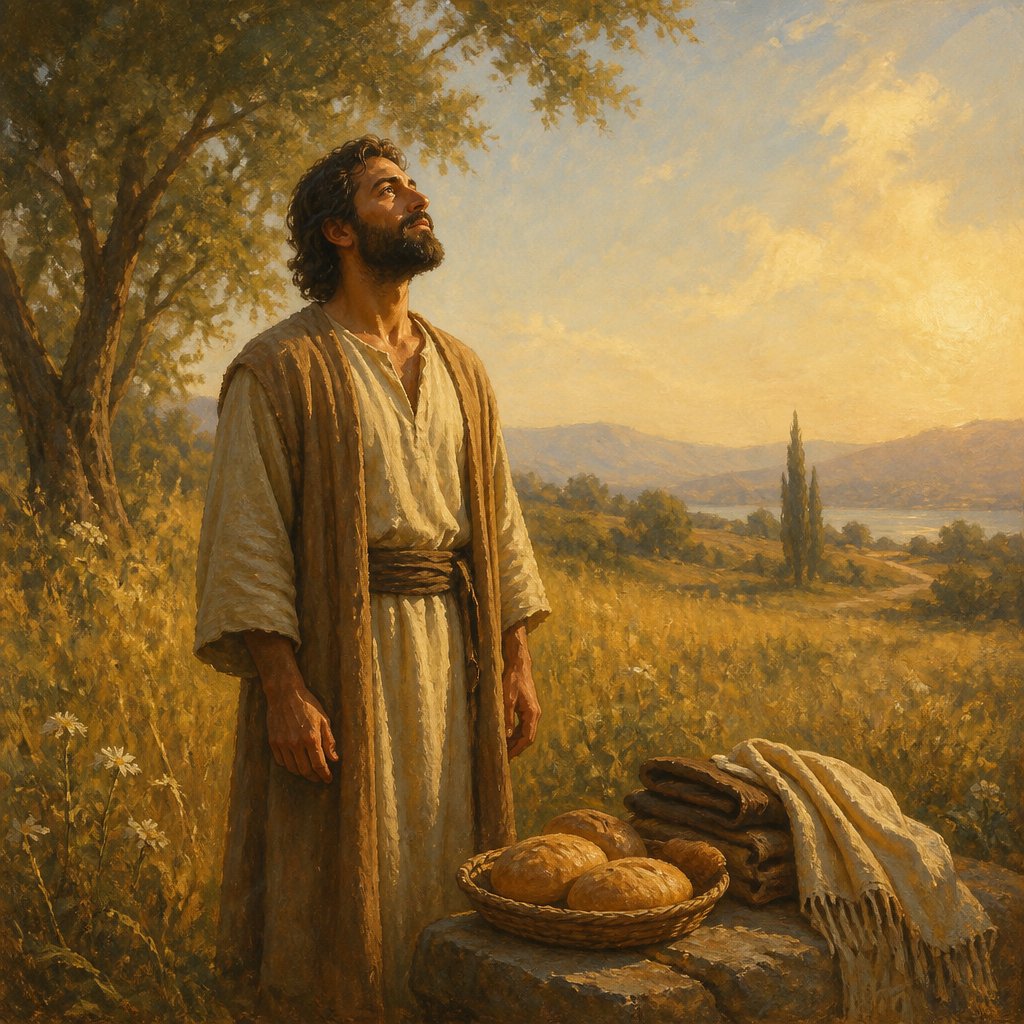
Luke 12:23 from the King James Version of the Bible states, "The life is more than meat, and the body is more than raiment." This verse comes from a larger passage in which Jesus is teaching about worry and anxiety. In this particular verse, Jesus is reminding his followers that there is more to life than basic physical needs such as food and clothing. This verse can be understood as a message about the greater spiritual and existential purpose of life.
The immediate context of this verse is important for understanding its deeper meaning. In the verses leading up to Luke 12:23, Jesus tells his disciples not to worry about their physical needs, such as what they will eat or what they will wear. He uses the example of the birds of the air and the flowers of the field, which do not worry about their basic necessities, yet are still provided for by God. Jesus' point is that if God takes care of the lesser creatures, he will certainly take care of his human children.
In verse 23, Jesus shifts the focus from worry about physical needs to a reflection on the nature of life itself. By stating "The life is more than meat, and the body is more than raiment," Jesus is drawing attention to the spiritual and eternal aspects of human existence. He is reminding his followers that life has a deeper and more meaningful purpose than simply securing food and clothing.
One theme that emerges from this verse is the idea of prioritizing spiritual values over material concerns. Jesus is encouraging his disciples to focus on the things that truly matter in life, such as love, compassion, and moral integrity, rather than being consumed by anxiety over physical possessions. This theme resonates with the broader teachings of Jesus, which emphasize the importance of spiritual growth and relationship with God.
Another theme that can be drawn from this verse is the idea of trusting in God's providence. By highlighting the care that God provides for the natural world, Jesus is teaching his followers to have faith that God will also provide for their needs. This theme of trust and reliance on God's care is a central aspect of Jesus' ethical teachings.
In terms of symbolism, the contrast between "life" and "meat" and between "body" and "raiment" can be seen as representing the distinction between the physical and the spiritual. The word "life" here can be understood as encompassing the whole of human existence, including the spiritual dimension, while "meat" and "raiment" represent material needs. This symbolism reinforces the idea that life is about more than just fulfilling physical requirements; it is about embracing the fullness of our humanity, both physical and spiritual.
The verse also conveys an underlying message about the transient nature of material possessions. By framing the discussion in terms of food and clothing, Jesus is pointing to the fleeting and impermanent nature of these things. This serves as a reminder that ultimate fulfillment and meaning cannot be found in material possessions, but rather in a deeper, more enduring spiritual connection.
Overall, Luke 12:23 carries a profound and timeless message about the true nature of life and the importance of seeking spiritual fulfillment over material wealth. It challenges followers of Jesus to reevaluate their priorities and trust in God's provision for their needs. This verse continues to be a source of inspiration and guidance for Christians seeking to live out their faith in a world that often prioritizes material concerns over spiritual values.
Have questions about Luke 12:23?
Dive deeper into this scripture with Bible Chat — an AI-powered tool for exploring God's Word through conversation. Ask questions, get context, and grow in your understanding of the Bible.
Get Our Apps


Luke 12:23 Artwork

Luke 12:23 - "The life is more than meat, and the body is more than raiment."
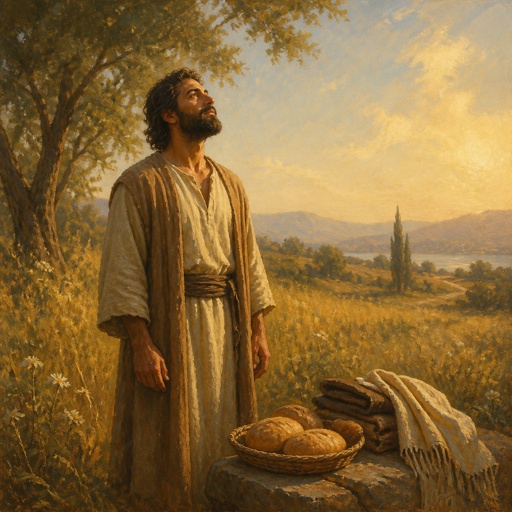
"The life is more than meat, and the body is more than raiment." - Luke 12:23

Luke 23:12 - "¶ And the same day Pilate and Herod were made friends together: for before they were at enmity between themselves."

Genesis 1:2 3
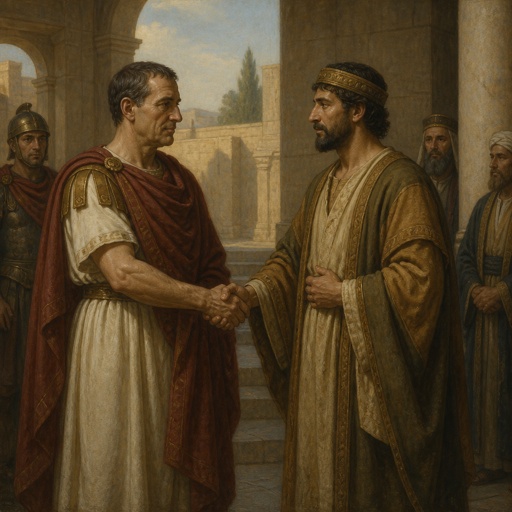
"¶ And the same day Pilate and Herod were made friends together: for before they were at enmity between themselves." - Luke 23:12

Luke 23:53

Luke 19:23

luke 11:23

Luke 19:23

luke 11:23
Luke 15:23

luke 11:23

luke 11:23

Luke 12:22-23 - "Then Jesus said to his disciples: “Therefore I tell you, do not worry about your life, what you will eat; or about your body, what you will wear. For life is more than food, and the body more than clothes."

Luke 23:54 - "And that day was the preparation, and the sabbath drew on."

Luke 23:23 - "And they were instant with loud voices, requiring that he might be crucified. And the voices of them and of the chief priests prevailed."

Luke 23:24 - "And Pilate gave sentence that it should be as they required."

Luke 23:45 - "And the sun was darkened, and the veil of the temple was rent in the midst."

Luke 7:23 - "And blessed is he, whosoever shall not be offended in me."

Luke 23:21 - "But they cried, saying, Crucify him, crucify him."

Luke 23:16 - "I will therefore chastise him, and release him."

Luke 23:37 - "And saying, If thou be the king of the Jews, save thyself."

Matthew 23:12

Genesis 23-12

Matthew 23:12

Luke 12:25

Luke 12:25

Luke 12: 49

Luke 12:34

Luke 12:10