What does Luke 12:17 mean?
"And he thought within himself, saying, What shall I do, because I have no room where to bestow my fruits?" - Luke 12:17
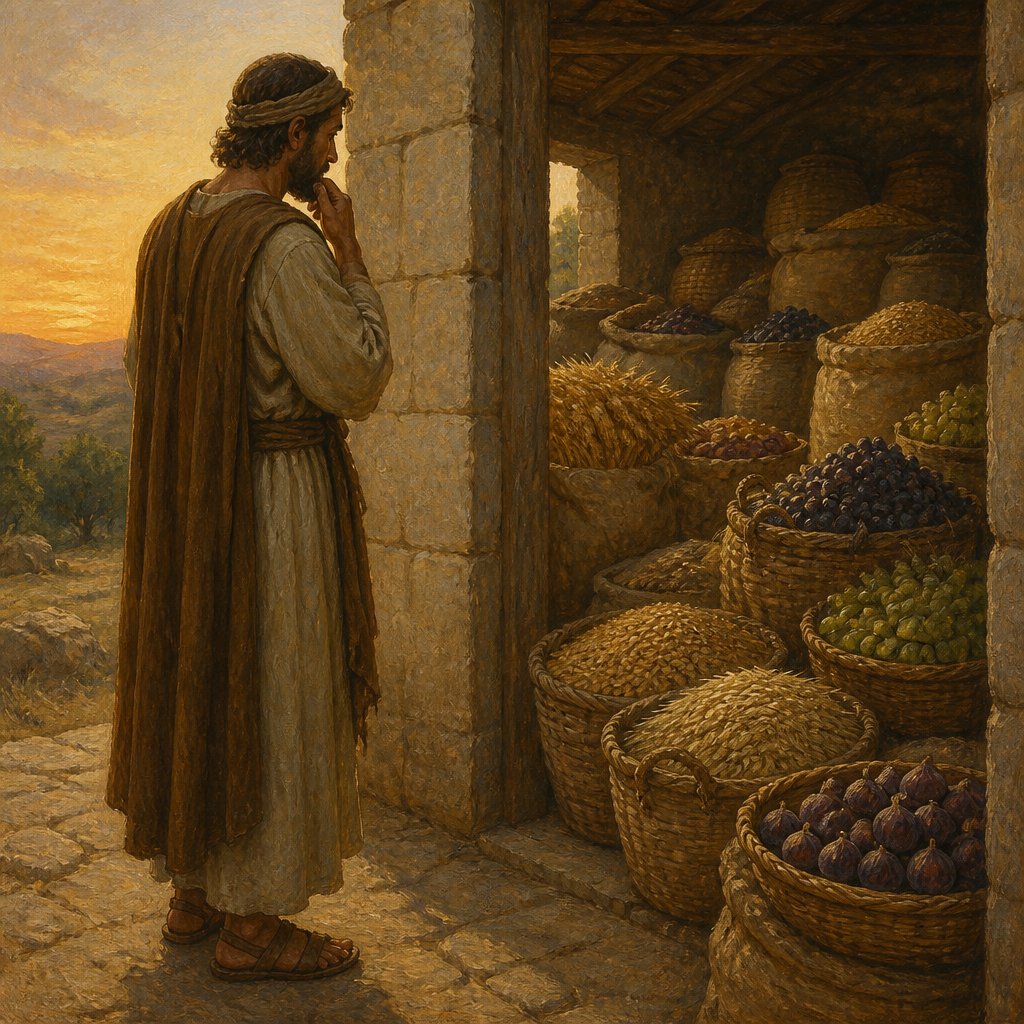
Luke 12:17 (KJV) - "And he thought within himself, saying, What shall I do, because I have no room where to bestow my fruits?"
In this verse, Jesus tells the parable of a rich man who had an abundant harvest and did not have enough storage space to store all of his crops. This parable serves as a warning against greed and the pursuit of material possessions, and it also emphasizes the transient nature of wealth and the importance of prioritizing eternal treasures.
The context of this verse is important for understanding its deeper meaning. Earlier in Luke 12, Jesus has been teaching about the hypocrisy of the Pharisees and warning his disciples about the persecution they will face for their faith. He also emphasizes the importance of fearlessly declaring their faith in God, despite the potential consequences. In the midst of these teachings, Jesus tells the parable of the rich fool to illustrate the danger of being consumed by worldly wealth and the importance of being rich towards God.
The rich man in the parable is faced with a problem - he has accumulated so much wealth that he does not have enough space to store it all. Instead of sharing his surplus with others in need, he selfishly decides to tear down his old barns and build bigger ones to store all of his crops. In doing so, he shows his lack of concern for the needs of others and his preoccupation with his own wealth and comfort. However, God calls him a fool and emphasizes that his soul is required of him that night, reminding him that material possessions are fleeting and ultimately meaningless in the grand scheme of eternity.
This parable highlights several important themes that reverberate throughout the Bible. One of the main themes is the danger of greed and the pursuit of material wealth. Jesus consistently teaches against the dangers of being consumed by worldly possessions, as they can lead to spiritual poverty and a neglect of more important matters such as love, justice, and mercy. The rich fool's focus on hoarding his wealth for personal gain instead of sharing it with others reflects a selfish and shortsighted attitude that is condemned by Jesus. This aligns with Jesus' teachings in other parts of the Bible, such as the Sermon on the Mount, where he warns against laying up treasures on earth and encourages storing up treasures in heaven instead (Matthew 6:19-20).
Another important theme in this parable is the transient nature of wealth and the importance of prioritizing eternal treasures. The rich man in the parable is under the false impression that his abundance of crops will provide security and fulfillment, but God reminds him that his life is not guaranteed and his material possessions will ultimately be of no use to him in the afterlife. This teaches a valuable lesson about the fleeting nature of material wealth and the importance of investing in spiritual riches that have eternal significance. The parable echoes Jesus' words in Matthew 16:26, "For what is a man profited, if he shall gain the whole world, and lose his own soul? or what shall a man give in exchange for his soul?"
The symbolism in this parable is rich and multi-layered. The abundant harvest and the rich man's dilemma represent the blessings and material possessions that the world offers, while the lack of storage space symbolizes the limitations and transience of earthly wealth. The tearing down of the old barns and building of new ones symbolize the pursuit of temporal treasures and the folly of placing one's trust in material possessions. The rich man's sudden death serves as a poignant reminder of the uncertainty of life and the ultimate futility of accumulating wealth without considering the eternal consequences.
In conclusion, Luke 12:17 conveys a powerful message about the dangers of greed and the pursuit of material wealth. It serves as a sobering reminder of the transient nature of worldly possessions and the importance of investing in spiritual treasures that have eternal significance. This parable challenges us to reevaluate our priorities and to seek first the kingdom of God, recognizing that true wealth lies in our relationship with Him and our investment in the lives of others.
Have questions about Luke 12:17?
Dive deeper into this scripture with Bible Chat — an AI-powered tool for exploring God's Word through conversation. Ask questions, get context, and grow in your understanding of the Bible.
Get Our Apps


Luke 12:17 Artwork

Luke 12:17 - "And he thought within himself, saying, What shall I do, because I have no room where to bestow my fruits?"
"And he thought within himself, saying, What shall I do, because I have no room where to bestow my fruits?" - Luke 12:17
Luke 17:12 - "And as he entered into a certain village, there met him ten men that were lepers, which stood afar off:"

Luke 10:17-19

Luke 10:17-19

Luke 17:17 - "And Jesus answering said, Were there not ten cleansed? but where are the nine?"

Luke 8:17

Luke 17:10

luke 24:17
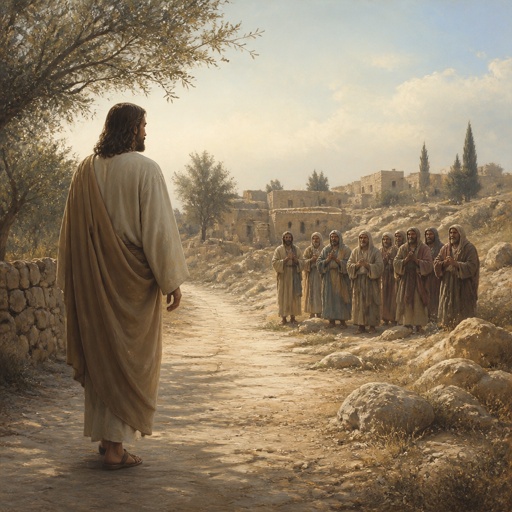
"And as he entered into a certain village, there met him ten men that were lepers, which stood afar off:" - Luke 17:12

Luke 17:12-14 - "As he was going into a village, ten men who had leprosy met him. They stood at a distance and called out in a loud voice, "Jesus, Master, have pity on us!" When he saw them, he said, "Go, show yourselves to the priests." And as they went, they were cleansed."

Luke 17:32-37

Luke 17:32 - "Remember Lot's wife."

Luke 5:17-26

Luke 12:25

Luke 12:25

Luke 12: 49

Luke 12:34

Luke 12:10

Luke 12:50

Luke 12:12 - "For the Holy Ghost shall teach you in the same hour what ye ought to say."

Genesis 17-12

Luke 17:5 - "And the apostles said unto the Lord, Increase our faith."

Luke 1:11-12

Luke 12:25-26

Luke 12:25-26

Luke 12:25-26

Luke 12:25-26

Luke 12:25-26
Luke 12:25-26