What does Luke 12:14 mean?
"And he said unto him, Man, who made me a judge or a divider over you?" - Luke 12:14
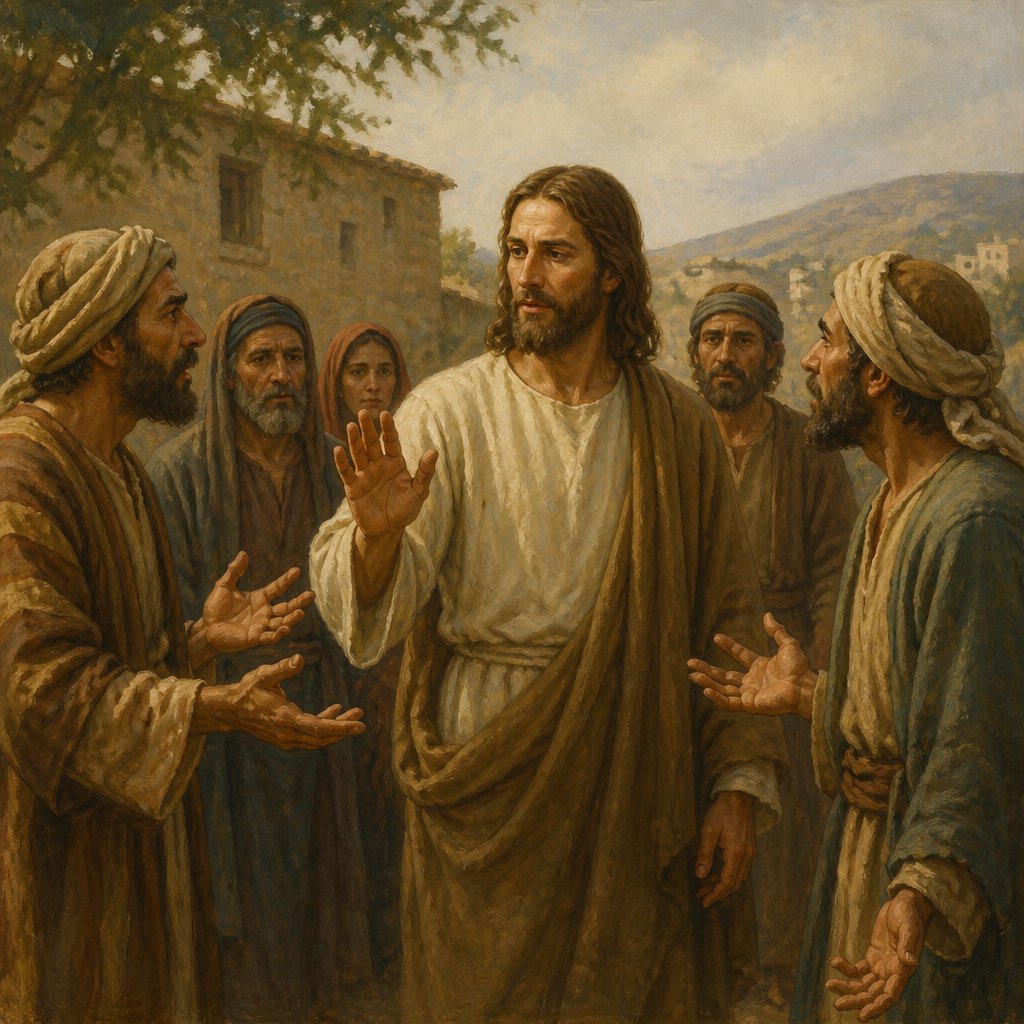
The Bible verse Luke 12:14 in the King James Version (KJV) states, "And he said unto him, Man, who made me a judge or a divider over you?" This verse is found in the context of a larger passage in which Jesus is teaching a crowd of people about the dangers of hypocrisy, the value of true riches, and the importance of seeking God's kingdom above all else. In this particular verse, Jesus is responding to a request from a man in the crowd to arbitrate a dispute over an inheritance.
The passage begins with Jesus warning his disciples to "beware of the leaven of the Pharisees, which is hypocrisy" (Luke 12:1, KJV). This sets the tone for the subsequent teachings about the dangers of hypocrisy and the importance of being sincere and genuine in one's faith. Jesus goes on to reassure his disciples that God sees and cares for each of them, and that they should not fear those who can harm the body, but rather fear God who has power over both the body and the soul.
In the specific verse, Jesus is approached by a man in the crowd who asks him to intervene in a family dispute over an inheritance. In response, Jesus essentially asks the man why he is involving him in this matter, as it is not his role to act as a judge or a divider over such personal affairs. This statement can be interpreted as a rebuke to the man's request, as Jesus is reminding him that his primary mission is to preach the message of the kingdom of God, not to arbitrate disputes over material possessions.
One of the overarching themes in this passage is the prioritization of spiritual matters over material concerns. Jesus urges his followers to seek first the kingdom of God and to trust in his provision, rather than becoming preoccupied with the accumulation of wealth or the pursuit of worldly possessions. By refusing to involve himself in the dispute over the inheritance, Jesus is emphasizing the importance of focusing on eternal, spiritual matters rather than getting caught up in the temporal concerns of this world.
In addition, this verse also serves as a reminder of the boundaries of Jesus' earthly ministry. While Jesus performed miracles and demonstrated compassion for individuals in need, he was intentional about not getting drawn into every personal dispute or request for material assistance. This verse can be seen as a demonstration of Jesus' divine authority and his refusal to be distracted from his primary mission by the petty concerns of this world.
Symbolically, this verse also represents Jesus' posture of humility and his reluctance to take on a role that does not align with the purpose of his ministry. By asking the man who made him a judge or a divider over the dispute, Jesus is asserting his submission to the will of God and his refusal to act outside the parameters of his divine calling. This serves as a model for Christians to similarly prioritize their spiritual responsibilities and seek to align their actions with God's will.
Overall, Luke 12:14 in the King James Version conveys a powerful message about the importance of prioritizing spiritual matters, the limitations of Jesus' earthly ministry, and the need for humility and submission to God's will. It serves as a reminder for believers to seek first the kingdom of God and to trust in his provision, rather than becoming entangled in the concerns of this world.
Have questions about Luke 12:14?
Dive deeper into this scripture with Bible Chat — an AI-powered tool for exploring God's Word through conversation. Ask questions, get context, and grow in your understanding of the Bible.
Get Our Apps


Luke 12:14 Artwork

Luke 12:14 - "And he said unto him, Man, who made me a judge or a divider over you?"
"And he said unto him, Man, who made me a judge or a divider over you?" - Luke 12:14

Luke 14:12 - "¶ Then said he also to him that bade him, When thou makest a dinner or a supper, call not thy friends, nor thy brethren, neither thy kinsmen, nor thy rich neighbours; lest they also bid thee again, and a recompence be made thee."

Luke 12:25

Luke 12:25

Luke 12: 49

Luke 12:34

Luke 12:10

Luke 12:50

Luke 17:12-14 - "As he was going into a village, ten men who had leprosy met him. They stood at a distance and called out in a loud voice, "Jesus, Master, have pity on us!" When he saw them, he said, "Go, show yourselves to the priests." And as they went, they were cleansed."

Luke 14:14 - "And thou shalt be blessed; for they cannot recompense thee: for thou shalt be recompensed at the resurrection of the just."

Luke 14:12-14 - "Then Jesus said to his host, "When you give a luncheon or dinner, do not invite your friends, your brothers or sisters, your relatives, or your wealthy neighbors; if you do, they may invite you back and so you will be repaid. But when you give a banquet, invite the poor, the crippled, the lame, the blind, and you will be blessed. Although they cannot repay you, you will be repaid at the resurrection of the righteous."

Luke 11:14-15

Luke 18:9-14

Luke 11:1-14

Luke 14:25 - 33

Luke 11:1-14

Luke 2:13-14

Luke 18: 9-14

Luke 2:13-14

Luke 12:12 - "For the Holy Ghost shall teach you in the same hour what ye ought to say."

1 cor 12:12-14

Luke 1:11-12

Luke 12:25-26

Luke 12:25-26

Luke 12:25-26

Luke 12:25-26

Luke 12:25-26

Luke 12:25-26

Luke 1:11-12