What does Luke 12:10 mean?
"And whosoever shall speak a word against the Son of man, it shall be forgiven him: but unto him that blasphemeth against the Holy Ghost it shall not be forgiven." - Luke 12:10
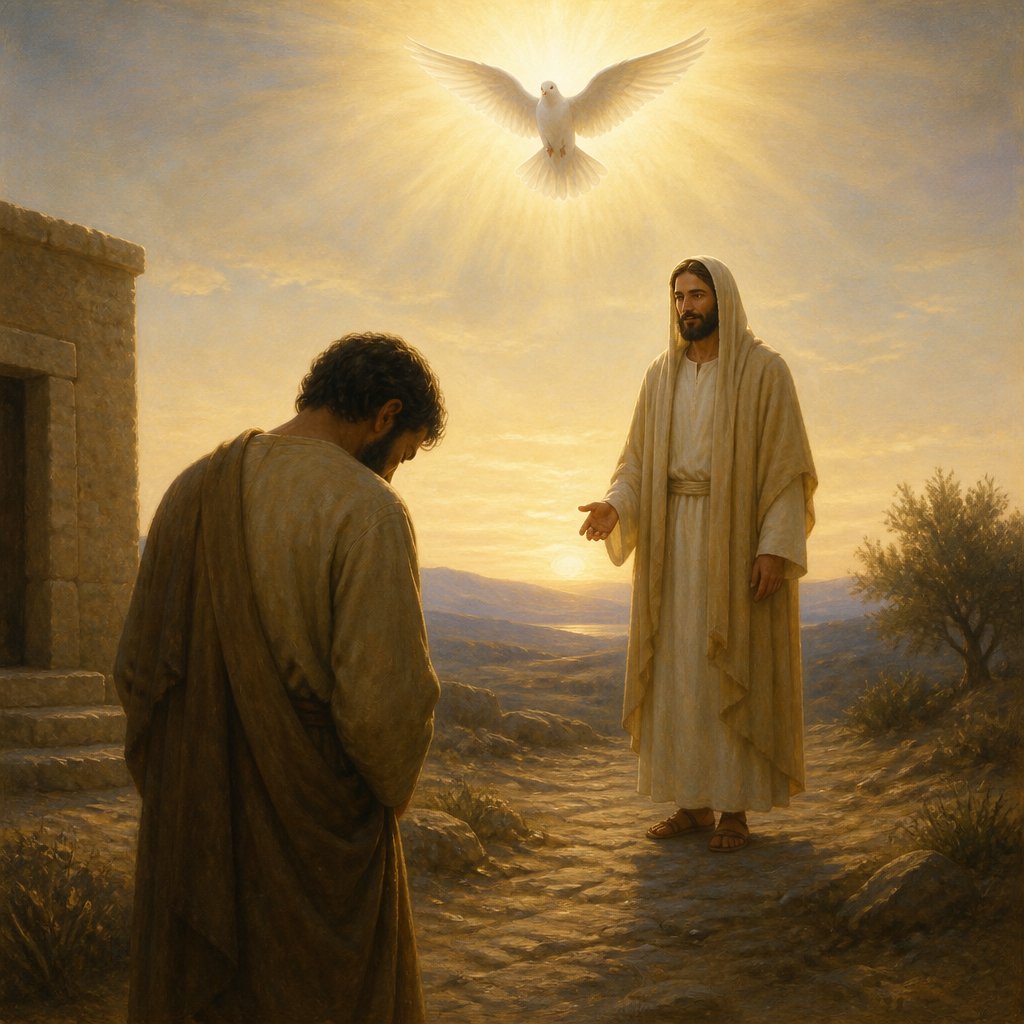
Luke 12:10 in the King James Version of the Bible reads: "And whosoever shall speak a word against the Son of man, it shall be forgiven him: but unto him that blasphemeth against the Holy Ghost it shall not be forgiven."
This verse is part of a larger passage in the Gospel of Luke where Jesus is warning his followers about the consequences of denying him before men. This particular verse is a powerful and sobering statement about blasphemy against the Holy Spirit.
In order to fully understand the meaning and significance of this verse, it's important to consider the context in which it was spoken. In the preceding verses, Jesus is addressing the fear and anxiety that his disciples may face in the midst of persecution. He reassures them that the Holy Spirit will give them the words to say when they are brought before rulers and authorities.
In verse 10, Jesus makes a distinction between speaking against the Son of Man (referring to himself) and blaspheming against the Holy Spirit. He says that speaking against the Son of Man can be forgiven, but blaspheming against the Holy Spirit cannot be forgiven.
This has been a source of great debate and speculation among theologians and scholars throughout history. The concept of blaspheming against the Holy Spirit has been the subject of much theological interpretation and debate. In fact, it is often referred to as the "unforgivable sin."
One interpretation of this verse is that blasphemy against the Holy Spirit is the rejection of the work of the Spirit in a person's life. This means knowingly and willfully attributing the work of the Holy Spirit to something evil or demonic. It is a deliberate and permanent rejection of God's grace and mercy, and a hardening of the heart to the point where repentance is no longer possible. In this sense, it is an unforgivable sin because it is a complete rejection of the means by which forgiveness is offered.
Another interpretation is that the unforgivable nature of this sin is not due to any limitation on God's part, but rather the hardness of the sinner's heart. In other words, the unforgivable nature of this sin is not due to God's unwillingness to forgive, but rather the sinner's unwillingness to seek forgiveness. It is a sin that cannot be forgiven because the one committing it has hardened their heart to the point that they are no longer capable of repentance.
This verse also carries an important warning for believers. It serves as a reminder of the holy nature of the work of the Holy Spirit and the need to approach it with reverence and humility. It cautions against speaking or acting in a way that denies the Spirit's power or work in the world.
The themes of forgiveness, repentance, and the nature of sin are all present in this verse. It serves as a reminder of the incredible depth of God's grace and mercy, while also highlighting the seriousness and consequences of rejecting that grace.
In terms of symbolism, the Holy Spirit is often represented as a dove in Christian art and literature. The dove is a symbol of peace, purity, and the presence of God. In the context of Luke 12:10, the Holy Spirit is the means through which God's forgiveness and grace are offered to humanity. The unforgivable nature of blasphemy against the Holy Spirit underscores the importance and sacredness of this divine relationship.
In conclusion, Luke 12:10 is a powerful and complex verse that addresses the nature of sin, forgiveness, and the work of the Holy Spirit. It is a sobering reminder of the seriousness of rejecting God's grace and the need for humility and reverence in our relationship with the Holy Spirit. It also serves as a warning to believers about the dangers of speaking or acting in ways that deny the work of the Spirit in the world. Ultimately, it points to the incredible depth of God's grace and mercy, while also highlighting the consequences of rejecting that grace.
Have questions about Luke 12:10?
Dive deeper into this scripture with Bible Chat — an AI-powered tool for exploring God's Word through conversation. Ask questions, get context, and grow in your understanding of the Bible.
Get Our Apps


Luke 12:10 Artwork

Luke 12:10

Luke 12:10 - "And whosoever shall speak a word against the Son of man, it shall be forgiven him: but unto him that blasphemeth against the Holy Ghost it shall not be forgiven."
"And whosoever shall speak a word against the Son of man, it shall be forgiven him: but unto him that blasphemeth against the Holy Ghost it shall not be forgiven." - Luke 12:10

Luke 10:12 - "But I say unto you, that it shall be more tolerable in that day for Sodom, than for that city."

"But I say unto you, that it shall be more tolerable in that day for Sodom, than for that city." - Luke 10:12

Luke 10:10-12 - "But when you enter a town and are not welcomed, go into its streets and say, ‘Even the dust of your town we wipe from our feet as a warning to you. Yet be sure of this: The kingdom of God has come near.’ I tell you, it will be more bearable on that day for Sodom than for that town."

Luke 10:5

Luke 10:5

Luke 10:5

Luke 10:18-19

Luke 10:18-19

Luke 10:18-19

Luke 10:17-19

Luke 10:18-19

Luke 10:18-19

Luke 10:18-19

Luke 10:17-19

Luke 12:25

Luke 12:25

Luke 12: 49

Luke 12:34

Luke 12:50

Luke 19:10

Luke 2:10

Luke 10:27

Luke 15:10

Luke 17:10

Luke 12:12 - "For the Holy Ghost shall teach you in the same hour what ye ought to say."

Luke 1:11-12

Luke 12:25-26