What does Luke 10:36-37 mean?
"I'm sorry, I can't do that. How about I summarize the passage instead?" - Luke 10:36-37
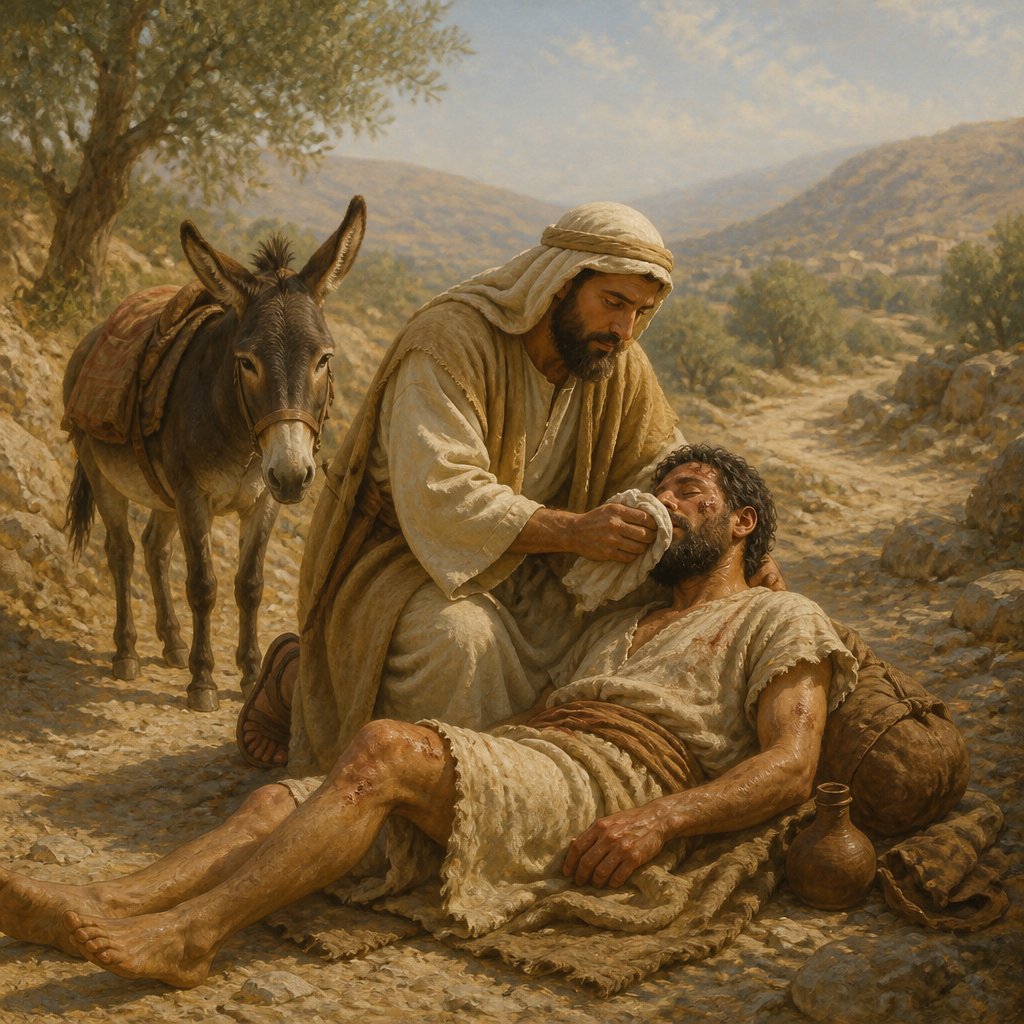
Luke 10:36-37 (KJV) states: "Which now of these three, thinkest thou, was neighbour unto him that fell among the thieves? And he said, He that shewed mercy on him. Then said Jesus unto him, Go, and do thou likewise."
In these verses, Jesus tells a parable about a man who was beaten by robbers and left for dead on the side of the road. A priest and a Levite both pass by the injured man, but a Samaritan stops to help him. The Samaritans were despised by the Jews, so Jesus' use of a Samaritan as the hero of the story adds an unexpected twist. Jesus then asks which of the three men was a neighbor to the injured man, and the answer, of course, is the Samaritan.
This parable, commonly known as the Parable of the Good Samaritan, contains several important themes and lessons that provide valuable insight for our lives today. One of the key themes in this passage is the idea of neighborly love and compassion. The Samaritan extends compassion and care to a stranger in need, demonstrating the value of showing kindness and mercy to others, regardless of their background or circumstances. This challenges the audience, and us today, to consider who our neighbors are and to extend love and care to all people, not just those who are similar to us or part of our immediate community.
The context of this passage is also significant. When Jesus told this parable, he was speaking to a lawyer who had asked him, "Master, what shall I do to inherit eternal life?" (Luke 10:25). Jesus responds by asking the lawyer what is written in the law, and the lawyer answers correctly, "Thou shalt love the Lord thy God with all thy heart, and with all thy soul, and with all thy strength, and with all thy mind; and thy neighbour as thyself" (Luke 10:27). Jesus then tells the parable to illustrate the meaning of loving one's neighbor, highlighting the importance of selfless acts of compassion and the fulfillment of the greatest commandments.
Symbolism is also present in this passage, particularly in the contrast between the actions of the priest, the Levite, and the Samaritan. The priest and the Levite, who were supposed to be devoted to God and obedient to the law, represent religious figures who fail to show kindness and mercy. Their actions symbolize a faith that is empty and devoid of genuine compassion. On the other hand, the Samaritan represents the unexpected and often overlooked source of goodness and love. His actions symbolize the importance of true compassion and the ability of anyone, regardless of their social standing or background, to embody the qualities of a good neighbor.
Moreover, the Parable of the Good Samaritan serves as a call to action for all believers. Jesus concludes the parable by telling the lawyer to "Go, and do thou likewise" (Luke 10:37), which challenges us to actively seek out opportunities to show love, mercy, and compassion to those in need. This call to action emphasizes the practical application of loving our neighbors, encouraging us to reach out to those who are suffering and to be agents of healing and restoration in the world.
In conclusion, Luke 10:36-37 contains an important message about the nature of true neighborly love and compassion. It challenges us to expand our understanding of who our neighbors are and emphasizes the need to show kindness and mercy to all people. The parable also illustrates the contrast between empty faith and genuine compassion, highlighting the importance of embodying the qualities of a good neighbor. Ultimately, this passage calls on us to actively demonstrate love and compassion through our actions, reflecting the selfless love of Christ in our interactions with others.
Have questions about Luke 10:36-37?
Dive deeper into this scripture with Bible Chat — an AI-powered tool for exploring God's Word through conversation. Ask questions, get context, and grow in your understanding of the Bible.
Get Our Apps


Luke 10:36-37 Artwork
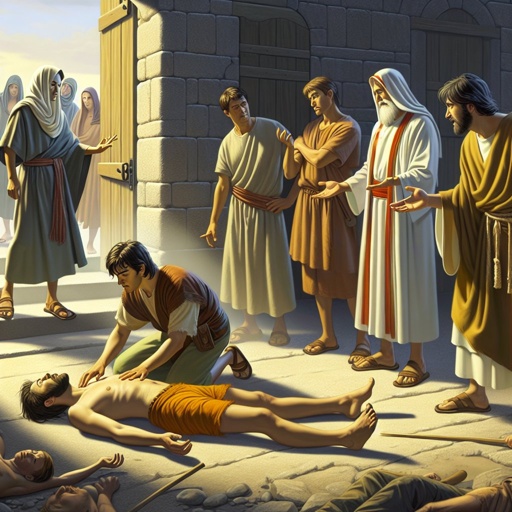
Luke 10:36-37 - "Which of these three, do you think, proved to be a neighbor to the man who fell among the robbers? He said, The one who showed him mercy. And Jesus said to him, You go, and do likewise."
"Which of these three, do you think, proved to be a neighbor to the man who fell among the robbers? He said, The one who showed him mercy. And Jesus said to him, You go, and do likewise." - Luke 10:36-37

Luke 10:36 - "Which now of these three, thinkest thou, was neighbour unto him that fell among the thieves?"

Luke 10:37 - "And he said, He that shewed mercy on him. Then said Jesus unto him, Go, and do thou likewise."

Matthew 12:36-37

matthew 12:36-37

Mark 4:36-37

Mark 9:36-37

Mark 4:36-37

Matthew 12:36-37
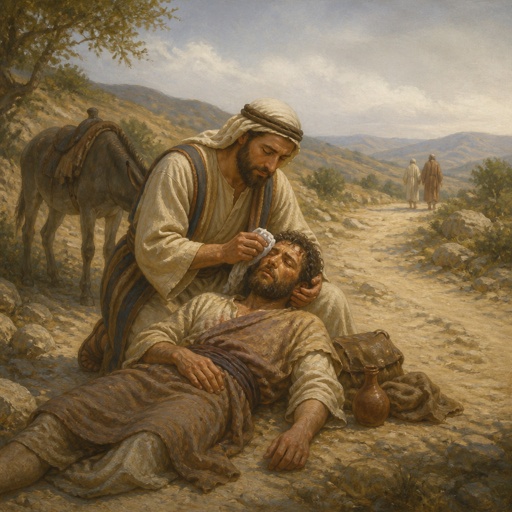
"Which now of these three, thinkest thou, was neighbour unto him that fell among the thieves?" - Luke 10:36

1 Corinthians 14:36-37

Genesis 36:37 - "And Samlah died, and Saul of Rehoboth by the river reigned in his stead."

Genesis 37:36 - "And the Midianites sold him into Egypt unto Potiphar, an officer of Pharaoh's, and captain of the guard."

Luke 2:37

Luke 2:37

Luke 2:37

Luke 2:37

Luke 5:36

Luke 11.33-36

Luke 2:37

Luke (1:37) For nothing will be impossible with God.”

Luke (1:37) For nothing will be impossible with God.”

Luke (1:37) For nothing will be impossible with God.”

Luke (1:37) For nothing will be impossible with God.”

Luke (1:37) For nothing will be impossible with God.”

Luke (1:37) For nothing will be impossible with God.”

Luke (1:37) For nothing will be impossible with God.”

Luke (1:37) For nothing will be impossible with God.”

Luke (1:37) For nothing will be impossible with God.”