What does Leviticus 9:21 mean?
"And the breasts and the right shoulder Aaron waved for a wave offering before the LORD; as Moses commanded." - Leviticus 9:21
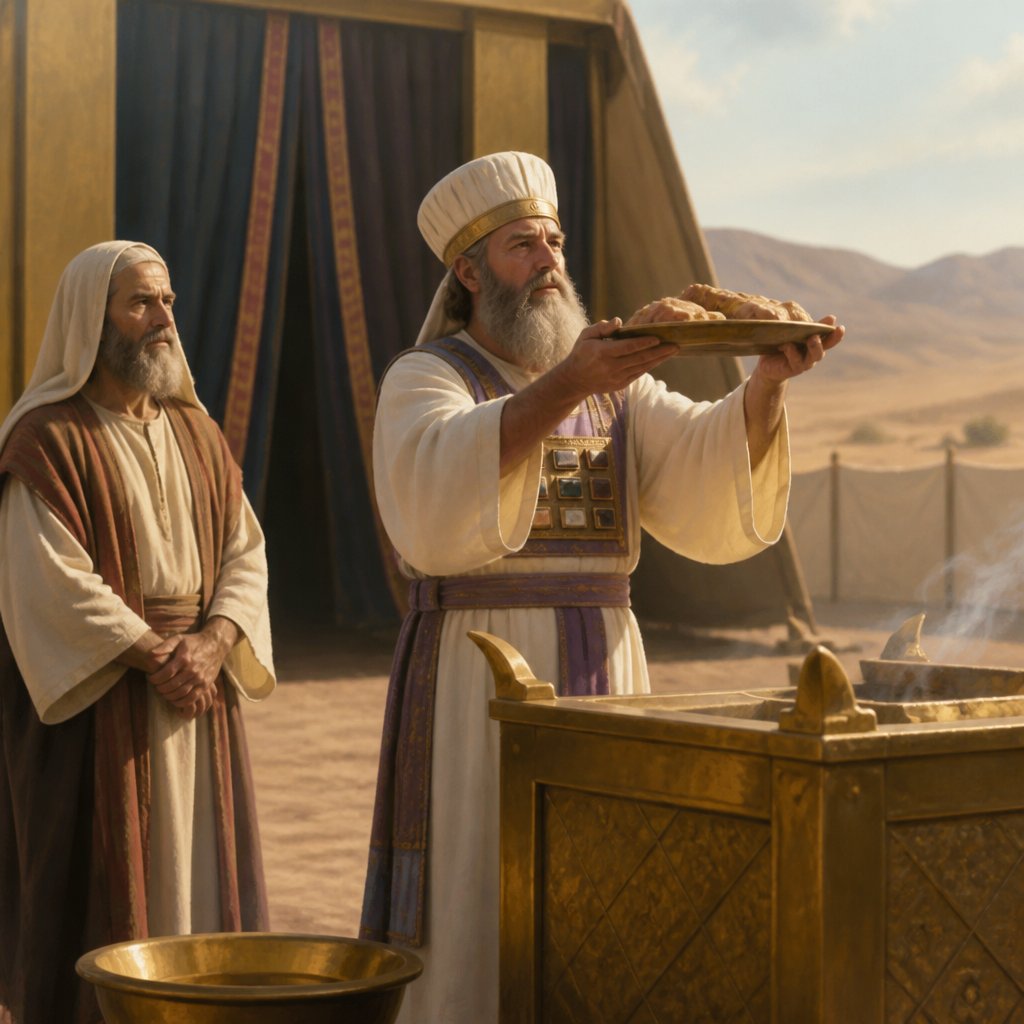
Leviticus 9:21 (KJV) says, "And the breasts and the right shoulder Aaron waved for a wave offering before the Lord; as Moses commanded."
This verse is part of a passage in the book of Leviticus that describes the ordination of Aaron and his sons as priests. The book of Leviticus is a part of the Torah, which is the central reference point for the laws and regulations that are central to Jewish religious practice. Leviticus is often referred to as the "priestly manual" as it contains a detailed set of instructions for conducting rituals, including instructions for the correct way to make offerings and sacrifices.
In this particular verse, Aaron waves the breasts and the right shoulder of the sacrificed animal as a wave offering before the Lord, following the instructions that were given to him by Moses. The wave offering was a specific type of sacrifice that was distinct from the burnt offering or the grain offering. It was a way of acknowledging and expressing gratitude to God for the abundance of the harvest, as well as for the provision of food and sustenance.
The waving of these specific parts of the animal before the Lord had symbolic significance. The right shoulder is often associated with strength and power, representing the offering of the best and most valuable parts of the animal to God. The breasts, on the other hand, are a symbol of nurturing and sustenance, reflecting God's provision for his people.
This verse also has a broader significance in the context of the Levitical priesthood. Aaron, as the first high priest, was responsible for overseeing the sacrificial system and ensuring that the offerings were made according to God's command. By obeying the instructions given to him by Moses and offering the sacrifices in the prescribed manner, Aaron was demonstrating his obedience and faithfulness to God.
One of the central themes of the book of Leviticus is the concept of holiness. The instructions for making offerings and sacrifices were designed to set the Israelites apart as a holy people, dedicated to the service of God. The wave offering, in particular, was a way of acknowledging God's dominion over all creation and expressing gratitude for his provision. By participating in these rituals, the Israelites were affirming their commitment to maintaining a close and obedient relationship with God.
The imagery of the wave offering also points to the idea of surrender and submission to God. By waving the sacrifices before the Lord, Aaron and the other priests were symbolically offering themselves and all their possessions to God. This act of surrender was a way of acknowledging God's sovereignty and seeking his favor and blessing.
From a Christian perspective, this verse can also be seen as a foreshadowing of the ultimate sacrifice of Jesus Christ. In the New Testament, Jesus is often referred to as the "Lamb of God" who takes away the sins of the world. His sacrificial death on the cross is seen as the fulfillment of the sacrificial system outlined in the Old Testament, bringing an end to the need for further animal sacrifices. In this sense, the wave offering described in Leviticus 9:21 can be seen as a prefiguration of the atoning work of Christ on the cross.
In conclusion, Leviticus 9:21 is a verse that carries deep symbolic and theological significance. It is a reminder of the importance of obedience, faithfulness, and surrender in our relationship with God. It also points to the central themes of holiness and gratitude that are at the heart of the Levitical sacrificial system. As Christians, we can also see in this verse a pointer to the ultimate sacrifice of Jesus Christ and the atonement that he has provided for our sins.
Have questions about Leviticus 9:21?
Dive deeper into this scripture with Bible Chat — an AI-powered tool for exploring God's Word through conversation. Ask questions, get context, and grow in your understanding of the Bible.
Get Our Apps


Leviticus 9:21 Artwork

Leviticus 9:21 - "And the breasts and the right shoulder Aaron waved for a wave offering before the LORD; as Moses commanded."
"And the breasts and the right shoulder Aaron waved for a wave offering before the LORD; as Moses commanded." - Leviticus 9:21

Leviticus 21:9 - "¶ And the daughter of any priest, if she profane herself by playing the whore, she profaneth her father: she shall be burnt with fire." respectful, symbolic bible verse art

Leviticus 23:21

Leviticus 23:21

Leviticus 23:21

Leviticus 23:21

Leviticus 23:21

Leviticus 23:21

Leviticus 21:19 - "Or a man that is brokenfooted, or brokenhanded,"

Leviticus 21:16 - "¶ And the LORD spake unto Moses, saying,"

Leviticus 21:13 - "And he shall take a wife in her virginity."
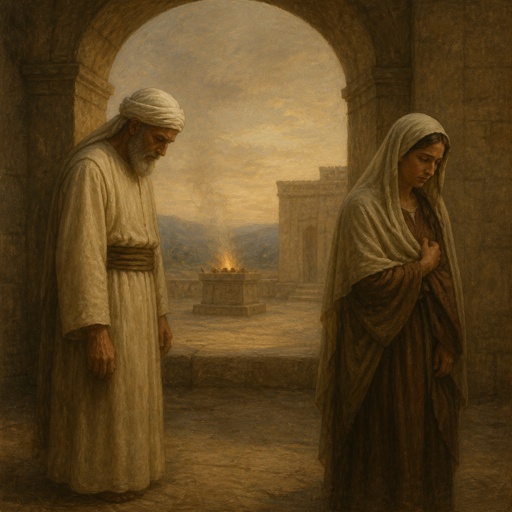
"¶ And the daughter of any priest, if she profane herself by playing the whore, she profaneth her father: she shall be burnt with fire." - Leviticus 21:9

"Or a man that is brokenfooted, or brokenhanded," - Leviticus 21:19
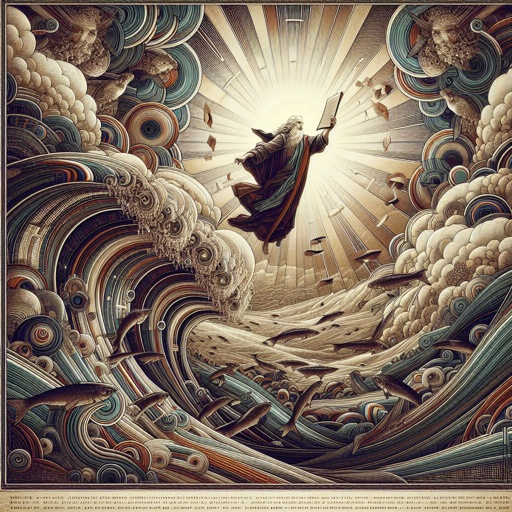
Leviticus 23:9 - "¶ And the LORD spake unto Moses, saying,"

Leviticus 21:22 - "He shall eat the bread of his God, both of the most holy, and of the holy."

Leviticus 21:24 - "And Moses told it unto Aaron, and to his sons, and unto all the children of Israel."

Leviticus 9:16 - "And he brought the burnt offering, and offered it according to the manner."

Matthew 9:21

Leviticus 9:11 - "And the flesh and the hide he burnt with fire without the camp."

Leviticus 21:4 - "But he shall not defile himself, being a chief man among his people, to profane himself."

Leviticus 21:20 - "Or crookbackt, or a dwarf, or that hath a blemish in his eye, or be scurvy, or scabbed, or hath his stones broken;"

Matthew 9:21-22
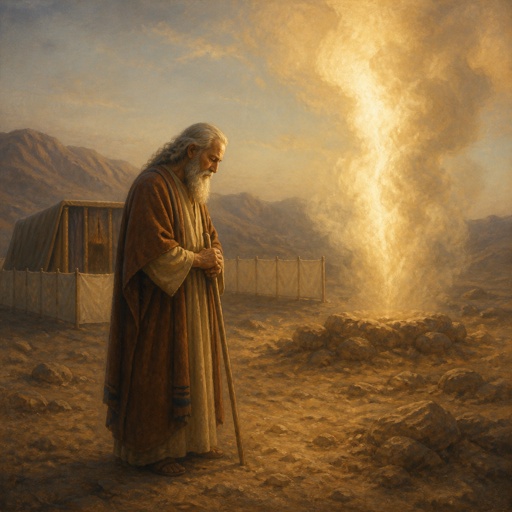
"¶ And the LORD spake unto Moses, saying," - Leviticus 21:16

Matthew 9:21-22

Matthew 9:21-22

Matthew 9:21-22

Matthew 9:21-22

Leviticus 24:21 - "And he that killeth a beast, he shall restore it: and he that killeth a man, he shall be put to death."

Leviticus 21:21 - "No man that hath a blemish of the seed of Aaron the priest shall come nigh to offer the offerings of the LORD made by fire: he hath a blemish; he shall not come nigh to offer the bread of his God."