What does Leviticus 9:20 mean?
"And they put the fat upon the breasts, and he burnt the fat upon the altar:" - Leviticus 9:20
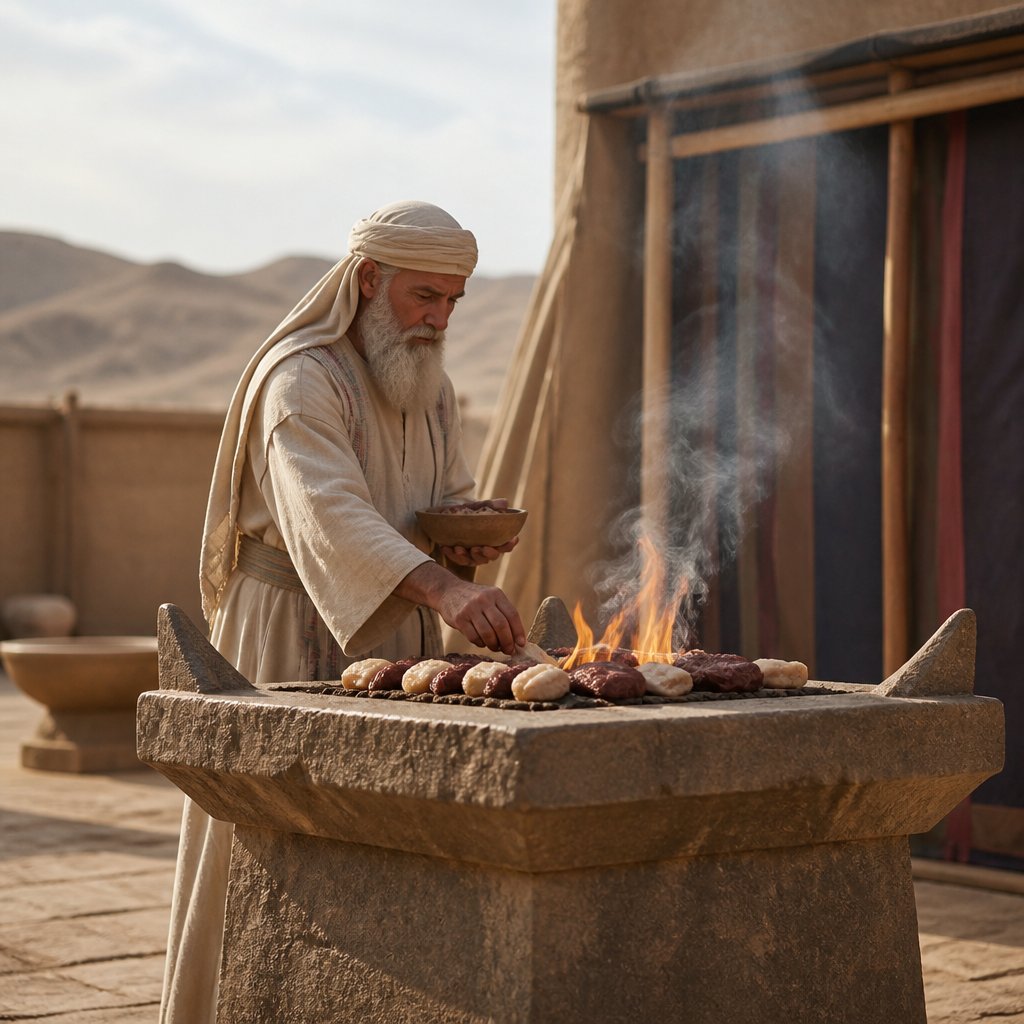
Leviticus 9:20 in the King James Version states, "And they put the fat upon the breasts, and he burnt the fat upon the altar." This particular verse comes from a chapter that details the consecration of Aaron and his sons as priests, and the subsequent ordination of the sacrificial offerings for the people of Israel.
To fully understand the depth and significance of this verse, it is important to consider the broader context in which it is situated. The book of Leviticus is the third book in the Hebrew Bible and primarily focuses on the laws and rituals of the Israelite people. In particular, Leviticus emphasizes the importance of holiness and purity, and provides guidelines for proper worship and moral living.
In Leviticus 9, Aaron and his sons have followed the instructions from God and Moses, and have successfully completed the sacrifices and offerings as part of their consecration as priests. The verse describing the placing of the fat upon the breasts and burning it on the altar speaks to the physical act of presenting the sacrificial offerings to God.
This act holds deep symbolism and spiritual significance within the text. The fat and the breast of the animal were considered the choice and best parts of the offering, symbolizing the most valuable and significant aspects being given to God. By placing the fat on the breasts and burning it on the altar, the priests were following God's instructions for the proper handling and presentation of the sacrifices. This act was meant to signify the offering of their very best to God, and to demonstrate their dedication and commitment to Him.
Furthermore, the burning of the fat on the altar holds additional symbolic meaning. The altar was the central place of worship and atonement in the Israelite culture, and the burning of the fat served as a pleasing aroma to the Lord. This act was believed to signify the acceptance and approval of the offering by God, and served as a means of spiritual communion between God and His people. The burning of the fat on the altar was a tangible and visible representation of the Israelites' desire to be in a right relationship with God, and their willingness to follow His commands and seek His favor.
In a broader theological context, the sacrificial system outlined in Leviticus serves as a precursor and foreshadowing of the ultimate sacrifice of Jesus Christ. The offering of the best and choice parts of the animals in Leviticus was a temporary measure to atone for sin and seek forgiveness from God. However, the New Testament teaches that Jesus, as the perfect and unblemished sacrificial lamb, offered Himself as the ultimate atonement for the sins of humanity. The act of burning the fat on the altar in Leviticus symbolizes the fragrant offering of Christ's sacrifice, and highlights the continuity and fulfillment of God's redemptive plan throughout history.
In conclusion, Leviticus 9:20 holds deep symbolic and theological significance within its broader context. It speaks to the importance of offering one's very best to God, and signifies the desire for spiritual communion and atonement. It also serves as a foreshadowing of the ultimate sacrifice of Jesus Christ, and highlights the continuity of God's redemptive plan throughout history. This verse serves as a reminder of the importance of worship, dedication, and obedience to God, and provides a rich and profound insight into the spiritual principles and truths found within the Bible.
Have questions about Leviticus 9:20?
Dive deeper into this scripture with Bible Chat — an AI-powered tool for exploring God's Word through conversation. Ask questions, get context, and grow in your understanding of the Bible.
Get Our Apps


Leviticus 9:20 Artwork

Leviticus 9:20 - "And they put the fat upon the breasts, and he burnt the fat upon the altar:"
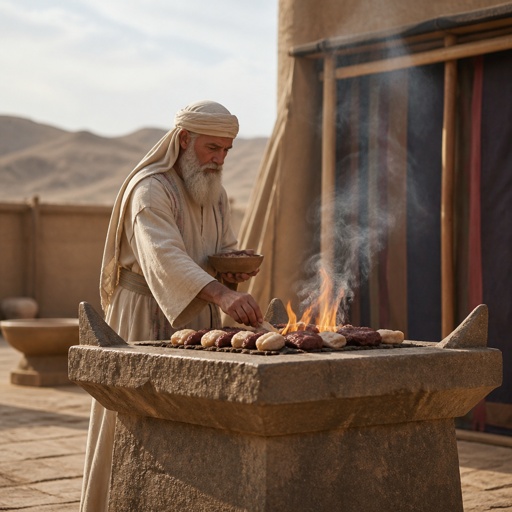
"And they put the fat upon the breasts, and he burnt the fat upon the altar:" - Leviticus 9:20
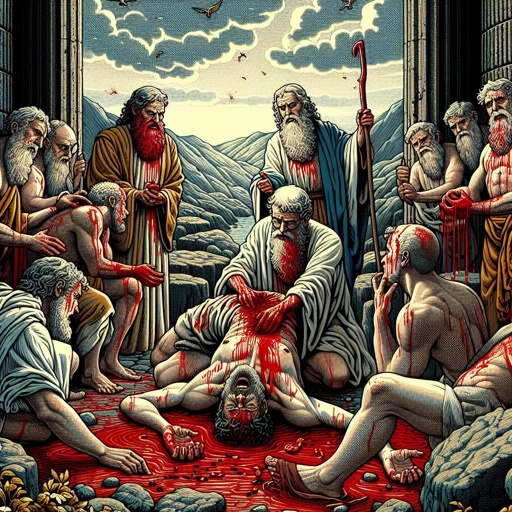
Leviticus 20:9 - "¶ For every one that curseth his father or his mother shall be surely put to death: he hath cursed his father or his mother; his blood shall be upon him."

Leviticus 23:20

Leviticus 24:20-23

Leviticus 20:1 - "And the LORD spake unto Moses, saying,"

Leviticus 10:20 - "And when Moses heard that, he was content."

Leviticus 20:22-26 simple picture

Picture to summarize Leviticus 20:22-26

Leviticus 20:20 - "And if a man shall lie with his uncle's wife, he hath uncovered his uncle's nakedness: they shall bear their sin; they shall die childless."
Leviticus 23:9 - "¶ And the LORD spake unto Moses, saying,"

Leviticus 8:20 - "And he cut the ram into pieces; and Moses burnt the head, and the pieces, and the fat."

Leviticus 22:20 - "But whatsoever hath a blemish, that shall ye not offer: for it shall not be acceptable for you."

Leviticus 20:7 - "¶ Sanctify yourselves therefore, and be ye holy: for I am the LORD your God."

Leviticus 9:16 - "And he brought the burnt offering, and offered it according to the manner."

Leviticus 18:20 - "Moreover thou shalt not lie carnally with thy neighbour's wife, to defile thyself with her."

Leviticus 11:20 - "All fowls that creep, going upon all four, shall be an abomination unto you."

Leviticus 9:11 - "And the flesh and the hide he burnt with fire without the camp."

Leviticus 21:20 - "Or crookbackt, or a dwarf, or that hath a blemish in his eye, or be scurvy, or scabbed, or hath his stones broken;"

"And the LORD spake unto Moses, saying," - Leviticus 20:1
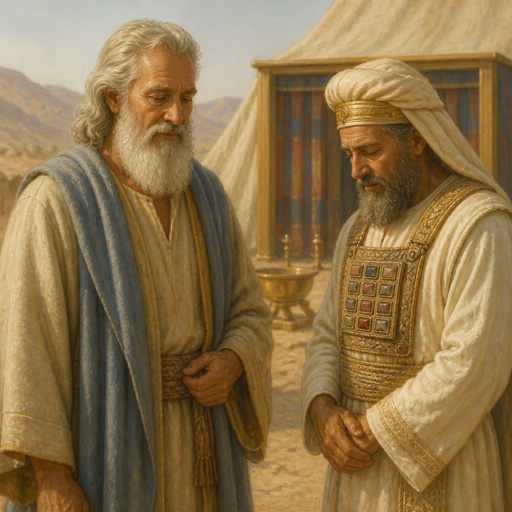
"And when Moses heard that, he was content." - Leviticus 10:20

Leviticus 20:8 - "And ye shall keep my statutes, and do them: I am the LORD which sanctify you."

Leviticus 27:20 - "And if he will not redeem the field, or if he have sold the field to another man, it shall not be redeemed any more."

Leviticus 13:9 - "¶ When the plague of leprosy is in a man, then he shall be brought unto the priest;"

Genesis 20:9

Leviticus 9:9 - "And the sons of Aaron brought the blood unto him: and he dipped his finger in the blood, and put it upon the horns of the altar, and poured out the blood at the bottom of the altar:"
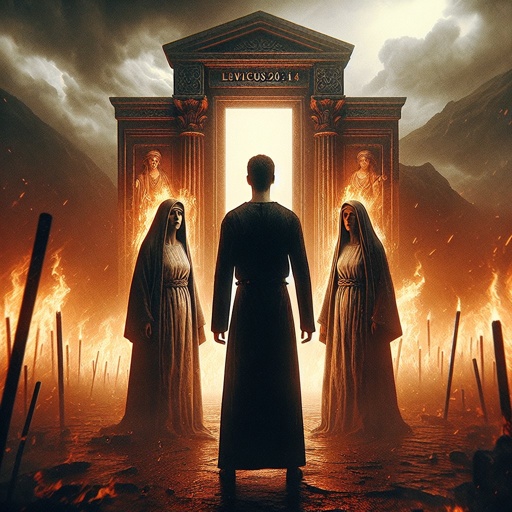
Leviticus 20:14 - "And if a man take a wife and her mother, it is wickedness: they shall be burnt with fire, both he and they; that there be no wickedness among you."

Leviticus 15:9 - "And what saddle soever he rideth upon that hath the issue shall be unclean."

Leviticus 9:14 - "And he did wash the inwards and the legs, and burnt them upon the burnt offering on the altar."

Leviticus 9:8 - "¶ Aaron therefore went unto the altar, and slew the calf of the sin offering, which was for himself."