What does Leviticus 9:14 mean?
"And he did wash the inwards and the legs, and burnt them upon the burnt offering on the altar." - Leviticus 9:14
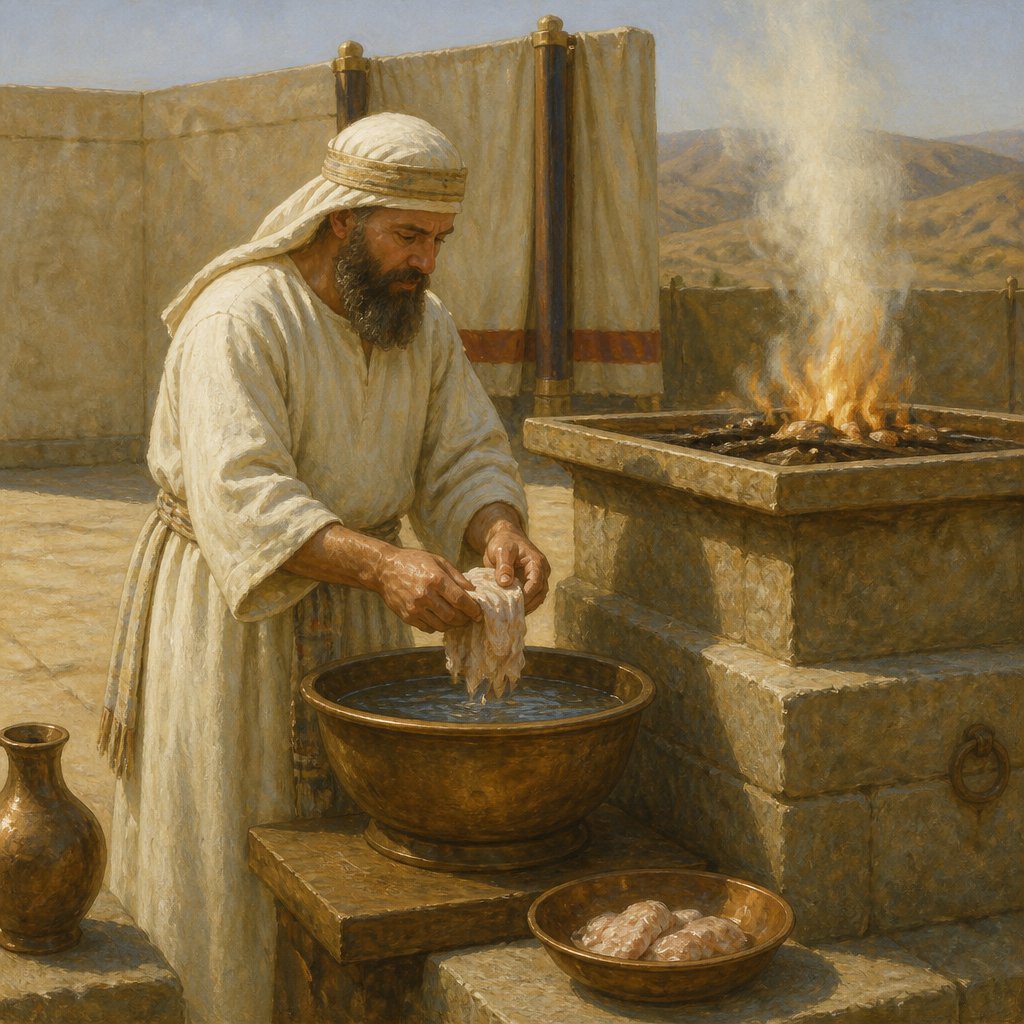
Leviticus 9:14 (KJV) reads: "And he did wash the inwards and the legs, and burn them upon the burnt offering on the altar."
The book of Leviticus is a significant part of the Old Testament, and it primarily focuses on the laws and ordinances given to the Israelites by God through Moses. This verse is specifically a part of the instructions for the consecration of Aaron and his sons as priests, and it details the specific actions that need to be performed as part of the ritual.
In this verse, "he" refers to Aaron, who has been given the task of washing the inwards and the legs of the burnt offering and then burning them on the altar. This act of washing and burning the offering was a crucial part of the priestly duties and was symbolic of the purification and atonement for sins.
The act of washing the inwards and legs of the burnt offering signifies the need for cleanliness and purity in the presence of God. It also symbolizes the idea of inner purification, suggesting that one's thoughts, intentions, and motives should also be cleansed and pure. This act of purification is essential before presenting anything to God, highlighting the importance of approaching God with reverence and a pure heart.
The burning of the offerings on the altar is a sign of complete surrender and dedication to God. It signifies the idea of giving up something valuable as a sacrifice to God, acknowledging His authority and sovereignty. It also represents the transformation of the physical offering into something pleasing and acceptable to God, as the smoke rises as a sweet aroma to Him.
From a broader perspective, this verse reflects the concept of atonement and reconciliation between God and His people. The burnt offerings were made as a means of atonement for sins, signifying the need for forgiveness and restoration of the relationship with God. The act of burning the offering on the altar symbolizes the desire for a close and intimate connection with God, seeking His mercy and grace.
Furthermore, the act of washing and burning the offerings also carries symbolic significance in terms of spiritual transformation and renewal. It represents the idea of letting go of impurities and offering oneself wholly to God, allowing Him to purify and transform one's life. It serves as a reminder that true worship entails a complete surrender of the self to God, allowing Him to work in and through us for His glory.
Historically, in the context of the Israelite society, these rituals were integral to the religious and cultural practices of the time. They provided the people with a tangible way to connect with God and to seek forgiveness for their sins. The meticulous observance of these rituals also served to reinforce the idea of holiness and obedience to God's commands.
In conclusion, Leviticus 9:14 carries rich symbolism and meaning, emphasizing the concepts of purity, surrender, atonement, and renewal in the presence of God. It serves as a reminder of the importance of approaching God with reverence and humility, seeking His forgiveness and mercy, and offering ourselves wholly to Him. Though the rituals described in this verse may seem foreign to us today, the underlying principles still hold relevance in our pursuit of a deep and meaningful relationship with God.
Have questions about Leviticus 9:14?
Dive deeper into this scripture with Bible Chat — an AI-powered tool for exploring God's Word through conversation. Ask questions, get context, and grow in your understanding of the Bible.
Get Our Apps


Leviticus 9:14 Artwork

Leviticus 9:14 - "And he did wash the inwards and the legs, and burnt them upon the burnt offering on the altar."
"And he did wash the inwards and the legs, and burnt them upon the burnt offering on the altar." - Leviticus 9:14

Leviticus 14:51

Leviticus 14:55 - "And for the leprosy of a garment, and of a house,"

Leviticus 14:56 - "And for a rising, and for a scab, and for a bright spot:"

Leviticus 14:1 - "And the LORD spake unto Moses, saying,"

Leviticus 11:14 - "And the vulture, and the kite after his kind;"
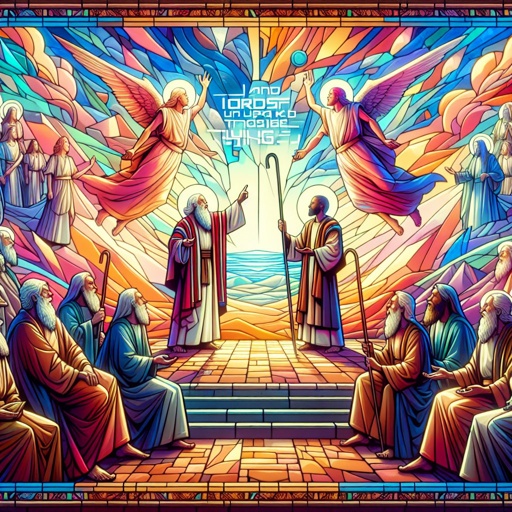
Leviticus 5:14 - "¶ And the LORD spake unto Moses, saying,"

Leviticus 14:54 - "This is the law for all manner of plague of leprosy, and scall,"

Leviticus 26:14 - "¶ But if ye will not hearken unto me, and will not do all these commandments;"

Leviticus 14:33 - "¶ And the LORD spake unto Moses and unto Aaron, saying,"

Leviticus 23:9 - "¶ And the LORD spake unto Moses, saying,"
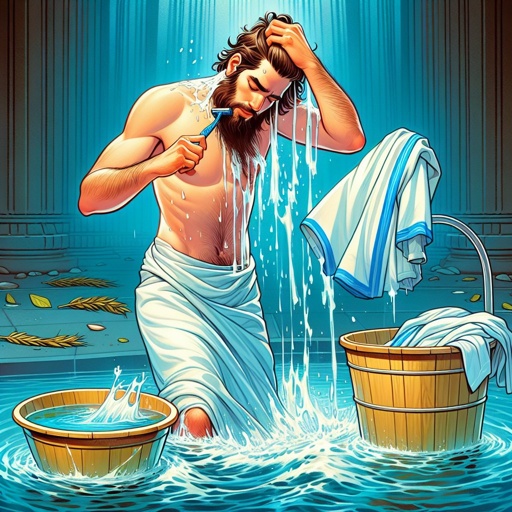
Leviticus 14:9 - "But it shall be on the seventh day, that he shall shave all his hair off his head and his beard and his eyebrows, even all his hair he shall shave off: and he shall wash his clothes, also he shall wash his flesh in water, and he shall be clean."

Leviticus 14:57 - "To teach when it is unclean, and when it is clean: this is the law of leprosy."

"And for the leprosy of a garment, and of a house," - Leviticus 14:55

Leviticus 9:16 - "And he brought the burnt offering, and offered it according to the manner."

Leviticus 13:14 - "But when raw flesh appeareth in him, he shall be unclean."

Leviticus 14:26 - "And the priest shall pour of the oil into the palm of his own left hand:"

Leviticus 9:11 - "And the flesh and the hide he burnt with fire without the camp."

Leviticus 14:30 - "And he shall offer the one of the turtledoves, or of the young pigeons, such as he can get;"

"And for a rising, and for a scab, and for a bright spot:" - Leviticus 14:56

Leviticus 14:50 - "And he shall kill the one of the birds in an earthen vessel over running water:"

Leviticus 13:9 - "¶ When the plague of leprosy is in a man, then he shall be brought unto the priest;"

Leviticus 9:20 - "And they put the fat upon the breasts, and he burnt the fat upon the altar:"

Leviticus 14:5 - "And the priest shall command that one of the birds be killed in an earthen vessel over running water:"

Leviticus 14:2 - "This shall be the law of the leper in the day of his cleansing: He shall be brought unto the priest:"

Leviticus 14:49 - "And he shall take to cleanse the house two birds, and cedar wood, and scarlet, and hyssop:"

Leviticus 6:14 - "¶ And this is the law of the meat offering: the sons of Aaron shall offer it before the LORD, before the altar."

Leviticus 9:9 - "And the sons of Aaron brought the blood unto him: and he dipped his finger in the blood, and put it upon the horns of the altar, and poured out the blood at the bottom of the altar:"

"And the LORD spake unto Moses, saying," - Leviticus 14:1